
Probiotics are living microorganisms that, in appropriate amounts, have a beneficial effect on our body, primarily by supporting the balance of the gut microbiota. Microorganisms recognized as probiotics must meet several essential conditions.
Contents
First and foremost, they must be safe for humans, alive upon consumption, and capable of surviving and acting in the digestive system. Are probiotics for stomach problems and digestion difficulties a suitable solution? When is the best time to take probiotics and which strain of bacteria should you choose? Learn more about the effectiveness of microorganisms residing in the gastrointestinal tract.
How do probiotics work?
Probiotics act on the body in several ways, and their main goal is to modulate the composition and activity of the gut microbiota. They help rebuild beneficial bacteria in the intestines, especially after microbiota disturbances caused by antibiotic use, stress, past infections, or a diet dominated by processed foods. The best probiotics for digestion are designed to restore the balance between good and bad bacteria, consequently reducing the risk of dysbiosis.
Probiotics support the integrity of the intestinal epithelium, which helps prevent toxins and microorganisms from penetrating from the intestines into the bloodstream. This action is particularly important in preventing the so-called leaky gut syndrome. Probiotics can contribute to inhibiting the growth of pathogens. They compete with pathogenic microorganisms for adhesion sites on the intestinal walls and for access to nutrients. Moreover, they produce compounds with antibacterial properties, such as lactic acid, which can inhibit the growth of harmful bacteria.
Probiotics as immune support
The immune system is closely linked to the gut microbiota, and probiotics play a significant role in maintaining its balance. The intestines are where approximately 70% of the body’s immune cells are located, which is why microorganisms inhabiting the digestive tract have a direct impact on immune responses. Probiotics support the integrity of the intestinal epithelium, which prevents pathogens, toxins, and allergens from penetrating from the intestines into the bloodstream. A tight intestinal barrier is crucial for limiting chronic inflammation, which can lead to weakened immunity.
Probiotics participate in the production of short-chain fatty acids, which have anti-inflammatory effects and support the proper functioning of immune system cells. These metabolites reduce excessive immune responses and support tolerance to harmless substances, such as foods or physiological flora.
Probiotics support the activity of immune system cells by stimulating antibody production and regulating the action of macrophages and T lymphocytes. They stimulate the production of immunoglobulins, especially IgA, which play a key role in protecting mucous membranes against viral and bacterial infections. IgA forms a protective layer on the surface of the intestines, limiting pathogens’ access to host cells.
In what situations is it worth using probiotics?
When is the best time to take probiotics? Enriching your diet with an extra portion of these valuable ingredients is especially indicated during and after antibiotic therapy. Strains such as Lactobacillus rhamnosus and Saccharomyces boulardii help prevent diarrhea and rebuild damaged gut microbiota. Do probiotics help with constipation? For digestive disorders, constipation, bloating, and IBS symptoms, it is worth reaching for good quality probiotics. Probiotics are particularly useful during periods of reduced immunity, such as the viral infection season, or during recovery after illness. It is also worth using them preventively in people exposed to stress who often experience the effects of weakened immunity. However, it is important to choose the appropriate strain for a specific health problem, as different strains have diverse immunomodulatory properties.
Taking probiotics and inflammatory bowel disease
It has been proven that beneficial microorganisms can reduce intestinal inflammation and improve the quality of life of patients suffering from, for example, Crohn’s disease or ulcerative colitis. The microbiota plays a protective role, preventing excessive activation of the immune system. In patients with inflammatory bowel disease, a decrease in the number of beneficial bacteria and an increase in pathogens are often observed. Probiotics help restore optimal balance. Furthermore, they reduce the production of pro-inflammatory cytokines, which are the main mediators of inflammation in intestinal diseases. At the same time, they stimulate the production of anti-inflammatory cytokines. Probiotics change the pH in the intestines, creating an environment unfavorable for pathogens. By producing lactic acid and other antibacterial substances, they limit the growth of pathogenic microorganisms, which can reduce the risk of disease exacerbations.
Inflammatory bowel diseases significantly reduce the quality of life of patients, causing chronic pain, fatigue, digestive disorders, and psychological problems. Probiotics used for stomach problems can reduce the severity of these symptoms. Regular use can relieve abdominal pain, diarrhea, and bloating. Beneficial microorganisms can shorten the duration of exacerbations and lengthen periods of remission. Thanks to their action, patients experience fewer disease episodes. By influencing the gut-brain axis, probiotics help regulate mood and reduce symptoms of depression and anxiety, which often accompany intestinal diseases.
The best probiotics for digestion
Supplementing your diet with the best probiotics for digestion can bring a number of health benefits to the body. Microorganisms can support the proper course of the digestion process by producing enzymes that help break down food components, such as lactose. contribute to the reduction of irritable bowel syndrome (IBS) symptoms, such as bloating, diarrhea, and constipation.
The appropriate selection of a probiotic strain for specific health needs is very important. Each strain has its unique properties and specific applications. Lactobacillus rhamnosus is one of the best-researched species; strains supporting a healthy gut biota include, for example, Lactobacillus rhamnosus GG, Lactobacillus rhamnosus LR04, and Lactobacillus rhamnosus LR05. They aid in the treatment of diarrhea, especially those caused by antibiotics or viruses. They are also used to prevent allergies, support immunity, and alleviate irritable bowel symptoms. Thanks to their ability to adhere to the intestinal epithelium, they protect the intestinal mucosa.
Bifidobacterium bifidum MB109 is one of the dominant species of bacteria in the intestines of infants and adults. It supports digestion, protects the intestines from harmful microorganisms, and reduces inflammation. It shows protective effects in inflammatory bowel diseases, such as ulcerative colitis or Crohn’s disease. It also helps prevent diarrhea associated with antibiotic therapy.
Saccharomyces boulardii CNCM I-745 is a probiotic yeast that is not a bacterium but acts similarly. It is especially recommended for diarrhea, including those caused by Clostridium difficile. It also helps restore microbiota balance after antibiotic therapy, preventing recurrence of diarrhea.
When to take probiotics?
Is it worth taking probiotics every day? Regularity is essential for effectiveness! To achieve beneficial effects, probiotics should be used daily for at least several weeks. Irregular use can reduce their effectiveness. Furthermore, it is worth ensuring that your diet includes rich sources of fiber and prebiotics, which support their action. Prebiotics are food for beneficial bacteria. You can find them in bananas, onions, garlic, leeks, and asparagus. Include fermented foods in your diet, such as natural yogurts, kefirs, pickled vegetables, and kombucha, which provide additional probiotics and support the action of dietary supplements.
Always read the manufacturer’s recommendations for a specific product before starting supplementation. Some preparations are taken on an empty stomach or before a meal. At that time, the pH in the stomach is slightly higher, which increases the chances of probiotic bacteria surviving on their way to the intestines. Other products require consumption with a light meal. In this case, it is best to combine them with fats, which can protect bacteria from the effects of stomach acids. It is worth maintaining a consistent time for taking the supplement, which will facilitate regularity and ensure a stable level of probiotic bacteria in the body.
If you are taking probiotics during antibiotic therapy, it is best to take them at least 2-3 hours after taking the antibiotic to avoid their destruction by the drug. Probiotic bacteria should be used for at least 1-3 months after finishing antibiotic therapy to rebuild the gut microbiota.
When is the best time to take probiotics? It is worth enriching your diet before a planned trip. Start supplementation a week before departure to prepare your body for environmental and dietary changes and the potential risk of traveler’s diarrhea. Continue using them, especially in places where the risk of gastrointestinal infections is higher. It is worth reaching for the strain Saccharomyces boulardii CNCM I-745, which is particularly effective in preventing traveler’s diarrhea.
Supplement your diet with appropriate high-quality probiotics
Probiotics are microorganisms that have a beneficial effect on the functioning of the intestines and the entire body by regulating the quantitative and qualitative composition of the microbiota. They can effectively support the proper functioning of the immune system and protect against infections. They can be found in fermented foods and in the form of dietary supplements. Their regular consumption can bring numerous health benefits, but the selection of appropriate strains for the specific needs of the body is important.
If you cannot include more probiotics, vitamins, and minerals in your diet, you can support your body in other ways. Comprehensive and , which contain well-thought-out compositions of active substances, come to the rescue. Take a closer look at BestLab products and convince yourself of their unique effectiveness.
Sources:
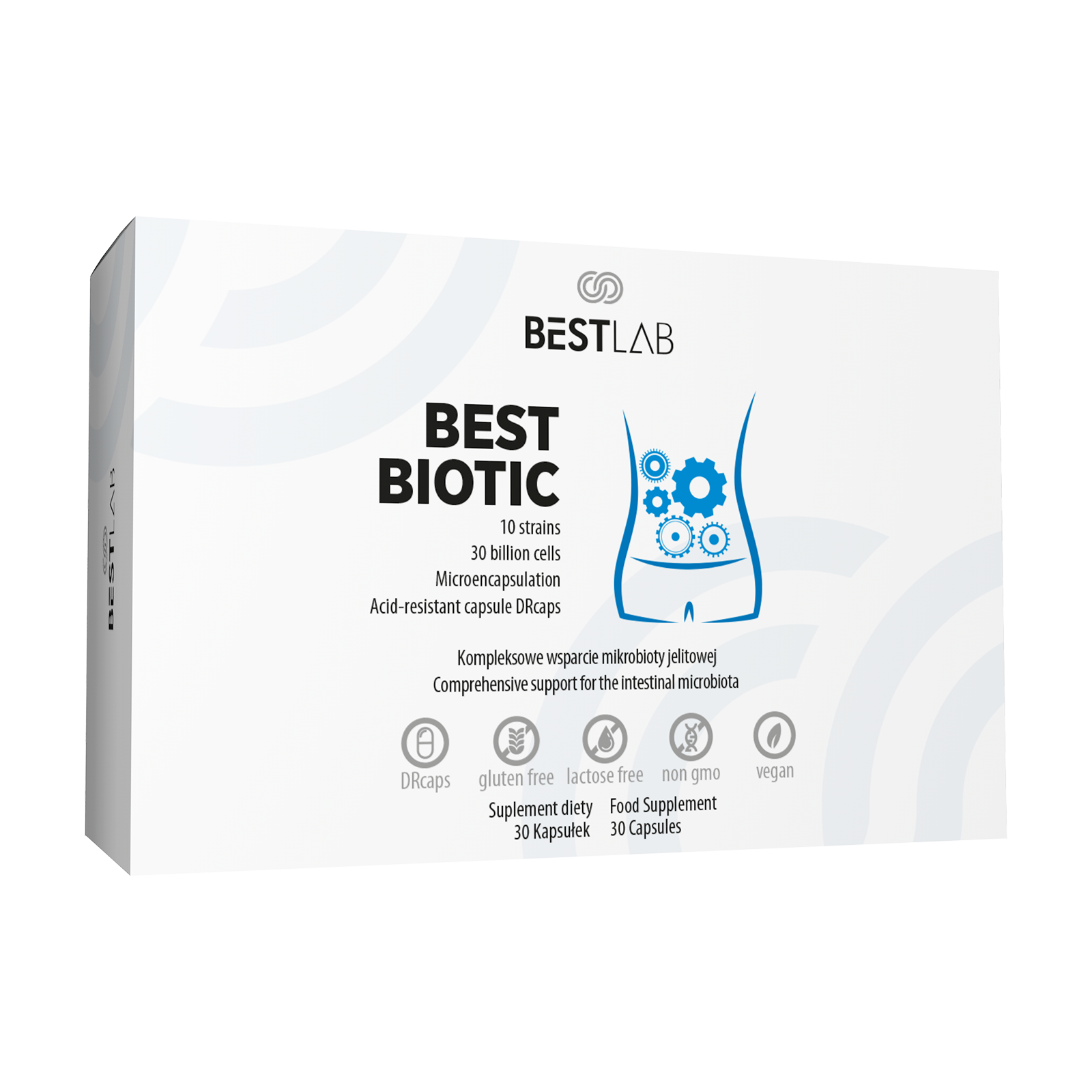
BestBiotic
£31.8
View Product →