
Lifestyle diseases pose a challenge for modern society. Dietary supplements offer solutions to aid in prevention. Read on to learn how they can support you.
Contents
- Dietary supplements in the prevention of lifestyle diseases
- How to support health with a modern lifestyle?
- The role of vitamins and minerals in disease prevention
- What supplements to use to reduce the risk of lifestyle diseases?
- Supplementation as an element of a healthy lifestyle
- The importance of proper supplement selection
- FAQ
- What are lifestyle diseases?
- What factors influence the development of lifestyle diseases?
- How can dietary supplements support the prevention of these diseases?
- Which vitamins are particularly important in the prevention of lifestyle diseases?
- Can supplementation replace a healthy diet?
- What minerals are important in preventing lifestyle diseases?
- Should everyone use dietary supplements?
- What are the potential effects of excessive supplementation?
- What other elements of a healthy lifestyle support the prevention of lifestyle diseases?
From the article, you will learn:
- what is the significance of dietary supplements in the prevention of lifestyle diseases
- which vitamin supplements best support immunity
- why mineral supplements are important for heart health
- how a healthy lifestyle affects the reduction of disease risk
- what is the importance of proper supplement selection for effective prevention
- how diet and supplementation can work together for better results
Dietary supplements in the prevention of lifestyle diseases
Dietary supplements play a significant role in the prevention of lifestyle diseases, providing the body with essential nutrients. Vitamins such as A, C, D, and E support the immune system, protecting against infections and inflammation. B vitamins participate in energy metabolism, which is crucial for maintaining a healthy body weight and preventing obesity. Deficiencies in these vitamins can lead to a weakened body and an increased risk of chronic diseases. Including vitamin supplements in the diet can help to replenish deficiencies resulting from improper nutrition.
Minerals such as magnesium, potassium, and calcium are essential for the proper functioning of the cardiovascular system. Magnesium regulates blood pressure, potassium supports heart function, and calcium strengthens bones. Deficiencies in these minerals can lead to hypertension, heart arrhythmias, and osteoporosis. Mineral supplements can help maintain appropriate levels of these elements in the body, thereby supporting the prevention of lifestyle diseases.
How to support health with a modern lifestyle?
A modern lifestyle is characterized by a fast pace, stress, and limited physical activity. These factors negatively affect health, increasing the risk of lifestyle diseases such as obesity, type 2 diabetes, and hypertension. Lack of time for preparing wholesome meals leads to the consumption of highly processed foods, poor in essential nutrients. Additionally, a sedentary lifestyle limits calorie burning, promoting overweight and related health problems.
To support health under such conditions, it is worth introducing regular physical activity, even in the form of short walks or home exercises. A balanced diet, rich in vegetables, fruits, whole-grain products, and healthy fats, provides the body with essential nutrients. In situations where it is difficult to ensure an adequate intake of vitamins and minerals from food, dietary supplements can be helpful, supplementing any deficiencies. It is also worth ensuring an adequate amount of sleep and relaxation techniques that help reduce stress, thereby supporting overall health.
The role of vitamins and minerals in disease prevention
Vitamins and minerals play a key role in the prevention of lifestyle diseases. Vitamin C, known for its antioxidant properties, neutralizes free radicals, protecting cells from damage. Vitamin D promotes calcium absorption, which is important for bone health and can prevent osteoporosis. B vitamins are involved in energy metabolism, supporting metabolism and nervous system function. Deficiencies in these vitamins can increase the risk of developing cardiovascular diseases, type 2 diabetes, and cancer.
Minerals such as calcium, magnesium, and potassium are essential for maintaining electrolyte balance and the proper functioning of muscles and the nervous system. Calcium strengthens bones and teeth, preventing osteoporosis. Magnesium participates in over 300 enzymatic reactions, influencing energy metabolism and heart function. Potassium regulates blood pressure, reducing the risk of hypertension. Deficiencies in these minerals can lead to heart rhythm disorders, muscle weakness, and an increased risk of cardiovascular diseases. A balanced, healthy diet rich in vitamins and minerals is crucial for the prevention of lifestyle diseases.
What supplements to use to reduce the risk of lifestyle diseases?
Lifestyle diseases, such as diabetes, cardiovascular diseases, obesity, and neurodegenerative disorders, largely result from nutrient deficiencies, oxidative stress, and an unhealthy lifestyle. Properly selected supplements can support the body in preventing these disorders by supplementing the diet with essential vitamins and minerals. It is worth opting for comprehensive vitamin preparations, such as VitaminBest, which provide a wide spectrum of ingredients supporting immunity, energy metabolism, and the proper functioning of the nervous system. Supplements containing B vitamins, e.g., Best B-Complex, also show beneficial effects, helping to maintain proper homocysteine levels and supporting the nervous system. Daily prevention should also include vitamin C, present in the Best Vitamin C preparation, which protects cells from oxidative stress and supports immunity, as well as products like BestOne, combining vitamins A and D with antioxidants to support the heart, bones, and immune system. Regular, conscious supplementation combined with a balanced diet and physical activity can genuinely reduce the risk of developing lifestyle diseases and support long-term health.
Supplementation as an element of a healthy lifestyle
Supplementation is an important element of a healthy lifestyle, supporting the body in maintaining balance and preventing lifestyle diseases. Regular provision of appropriate vitamins and minerals can supplement any deficiencies resulting from diet, strengthening the immune system and improving overall well-being. Incorporating supplementation into daily routine, alongside a balanced diet and physical activity, contributes to long-term health prevention.
It is worth remembering that supplementation should be tailored to individual needs and carried out under the supervision of a specialist. Excessive consumption of some supplements can lead to undesirable health effects. Therefore, a conscious and responsible approach to supplementation, taking into account the individual needs of the body, is crucial.
The importance of proper supplement selection
Proper selection of supplements is crucial for effective prevention of lifestyle diseases. Vitamin supplements provide essential vitamins, but every body has different needs, so what works for one person may not always be suitable for another. Supplements should be chosen based on individual lifestyle, diet, level of physical activity, and health status. It is also important to pay attention to the composition and form of the substances used – it is best to choose products containing well-absorbed forms of vitamins and minerals, free from unnecessary additives. Equally important is the quality and credibility of the manufacturer, who guarantees the purity and stability of the preparation. A conscious choice of supplements allows avoiding both deficiencies and excess of individual components, and also provides real support for health. Properly selected preparations can support energy, immunity, concentration, and overall well-being, becoming a valuable complement to a healthy lifestyle.
FAQ
Lifestyle diseases are conditions associated with a modern lifestyle, such as obesity, type 2 diabetes, hypertension, and cardiovascular diseases.
The main factors include an unhealthy diet, lack of physical activity, stress, and stimulants such as alcohol and cigarettes.
Dietary supplements provide the body with essential vitamins and minerals, supporting the functioning of the immune and metabolic systems.
Vitamins D, C, and B group play a key role in maintaining health and can reduce the risk of these conditions.
Dietary supplements are a complement to a healthy diet, but they cannot replace it. Balanced nutrition is the basis of prevention.
Magnesium, potassium, and calcium support the proper functioning of the heart, muscles, and nervous system.
The decision to supplement should be individual and based on the body’s needs and consultation with a doctor or dietitian.
Excessive consumption of supplements can lead to undesirable health effects, so it is important to use them according to recommendations.
Regular physical activity, adequate sleep, stress avoidance, and a healthy diet are crucial in preventing these conditions.
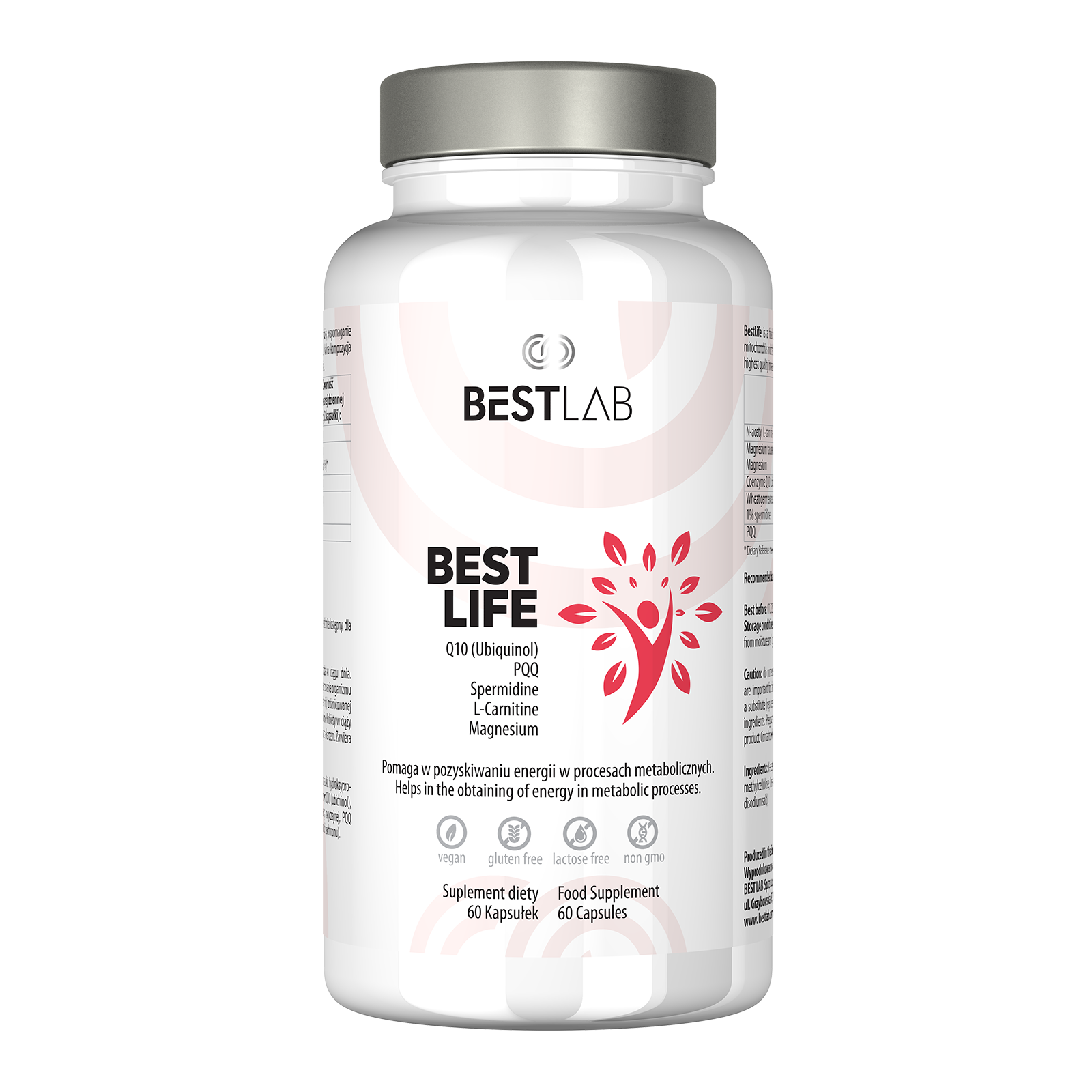
BestLife
£43.8
View Product →