
Dietary supplements are becoming increasingly popular, but many myths have grown around them. In this article, we uncover the most frequently repeated false beliefs about supplementation. Find out what is true and what is just a myth.
Contents
- The most popular myths about dietary supplements
- Are all supplements safe?
- How to distinguish facts from myths about supplementation?
- Truth and facts about supplementation
- Why is conscious supplementation good dietary support?
- How to consciously choose dietary supplements?
- FAQ
- Are dietary supplements safe?
- Can supplements replace a varied diet?
- What are the most common myths about dietary supplements?
- How to distinguish facts from myths about supplementation?
- Why can excessive supplement consumption be harmful?
- What are the recommendations for combining supplements with medicines?
- What to look for when choosing dietary supplements?
- What mistakes do consumers most often make during supplementation?
- How to monitor the effectiveness of supplementation?
From the article, you will learn:
- what are the most common myths about supplements;
- why dietary supplements cannot replace a balanced diet;
- what are the possible consequences of excessive supplement consumption;
- how to use supplementation safely and effectively;
- what are the recommendations for combining supplements with medicines;
- what to look for when choosing trusted products;
The most popular myths about dietary supplements
Many myths have grown around dietary supplements, often discouraging their use. One of the most popular is the belief that supplements are completely unnecessary and “do nothing.” Meanwhile, their role is to supplement the daily diet with ingredients that may be lacking due to lifestyle, stress, or food quality – they do not replace a healthy diet but can support it. Another myth states that supplements are dangerous and harmful to health. In reality, products approved for sale are subject to legal regulations and controls, and when used according to the manufacturer’s recommendations, they are safe. Another often-repeated stereotype says that supplements are exclusively for athletes. Active people indeed use them, but vitamins, minerals, or omega-3 acids can also support immunity, concentration, and general well-being for anyone. It is also worth debunking the myth that supplementation always leads to quick and spectacular results – it is a long-term process, requiring regularity and appropriate selection of preparations. Consciously used supplements can be a valuable element of health prevention, not a threat, as they are often portrayed.
Are all supplements safe?
Many false beliefs regarding the safety of dietary supplements have grown. Some believe that all supplements are completely safe, while others fear their harmfulness. The truth lies somewhere in the middle. Dietary supplements, including vitamin supplements, are designed to supplement the diet with essential nutrients. Their use can be beneficial, but only when used as recommended. Excessive consumption of certain vitamins and minerals can lead to negative health effects. For example, an overdose of vitamin A can have teratogenic effects, and too much copper can cause liver damage. Therefore, it is important not to exceed the recommended daily doses.
Another false belief about supplements is the assumption that they are completely safe because they are available without a prescription. In reality, dietary supplements can interact with medications, altering their effects, which can lead to undesirable outcomes. Therefore, before starting supplementation, it is advisable to consult a doctor or pharmacist, especially if taking other medications.
How to distinguish facts from myths about supplementation?
In the world of supplementation, many false beliefs about supplements circulate, which can lead to unknowingly taking inappropriate preparations. To distinguish facts from myths, it is worth following a few rules. First and foremost, you should check information sources. Reliable data comes from scientific research, medical publications, and official health institutions. Avoid relying on unverified opinions from internet forums or social media.
The next step is to consult a doctor or dietitian before starting supplementation, especially if you plan to take mineral supplements. A specialist will help assess the body’s actual needs and adjust doses to individual requirements. A conscious approach to supplementation helps avoid the pitfalls associated with false beliefs and allows for responsible health care.
Truth and facts about supplementation
Supplementation is a topic around which many conflicting opinions circulate, so it is worth separating facts from myths. The truth is that supplements are not a miracle cure for all health problems, but they can provide real support when the diet does not provide a full range of vitamins and minerals. The modern lifestyle – fast meals, stress, lack of sleep – often promotes deficiencies, and a well-chosen preparation can help balance them. An important fact is also that supplements available on the market are subject to safety standards and quality control, which makes their use safe when followed as recommended. However, they should not be treated as a substitute for healthy eating – they are an addition, not a basis. A reliable approach to supplementation requires consultation with a doctor or dietitian, because only then can preparations be matched to the individual needs of the body. Facts clearly show: supplements can be valuable if used consciously and responsibly.
Why is conscious supplementation good dietary support?
Many people believe that supplementation is “artificial” and unnecessary dietary support, but in reality, a conscious and responsible approach to it can bring measurable benefits. Today’s lifestyle, full of haste, stress, and processed food, makes it difficult to provide the body with all the necessary nutrients in appropriate amounts every day. Conscious supplementation is not about randomly reaching for fashionable preparations, but about recognizing one’s own needs – for example, supplementing vitamin D in the autumn-winter period or supporting immunity with probiotics during periods of weakness. Good supplements do not replace balanced meals but complement them, just as a filter protects the skin from the sun and sport supports fitness. It is important to choose products from trusted manufacturers and use them according to recommendations, preferably after consulting a specialist. Then supplementation becomes a tool for prevention and real health support, and not – as myths suggest – a harmful practice.
How to consciously choose dietary supplements?
Choosing appropriate dietary supplements requires a conscious approach to avoid false beliefs about supplements. First and foremost, before starting supplementation, it is advisable to consult a doctor or dietitian to assess the body’s actual needs. A specialist will help determine if there are deficiencies requiring supplementation and advise on which preparations will be most appropriate.
When choosing supplements, pay attention to their composition and origin. Choose products from reputable manufacturers that have clearly defined doses of active ingredients. Avoid preparations of unknown origin or with unclear composition. Remember that vitamin supplements should be used according to the manufacturer’s recommendations and do not replace a balanced diet. Regular monitoring of your health status and adjusting supplementation to your current body needs will allow for effective and safe use.
FAQ
Dietary supplements are generally safe when used as recommended. It is important to choose products from reputable manufacturers and adhere to the recommended dosages.
Dietary supplements do not replace a varied diet. Their role is to make up for deficiencies, not to replace complete meals.
The most common myths about dietary supplements are the belief that they are harmful, completely unnecessary, or intended exclusively for athletes.
To distinguish facts from myths, it is worth consulting a doctor or dietitian and relying on reliable sources of information, such as scientific publications and official health guidelines.
Excessive consumption of certain vitamins and minerals can lead to toxicity and serious health problems. Therefore, recommended doses should always be adhered to.
Supplements can interact with medications, changing their effects. Before starting supplementation, it is advisable to consult a doctor or pharmacist, especially if taking other medications.
When choosing supplements, pay attention to their composition, origin, and the manufacturer’s reputation. Choose products with clearly defined doses of active ingredients and avoid preparations of unknown origin.
The most common mistakes include believing that supplements can replace a varied diet, taking them without consulting a doctor, and not adhering to recommended dosages.
Regular check-ups and consultations with a doctor or dietitian allow for assessing the effectiveness of supplementation and adjusting it to the current needs of the body.
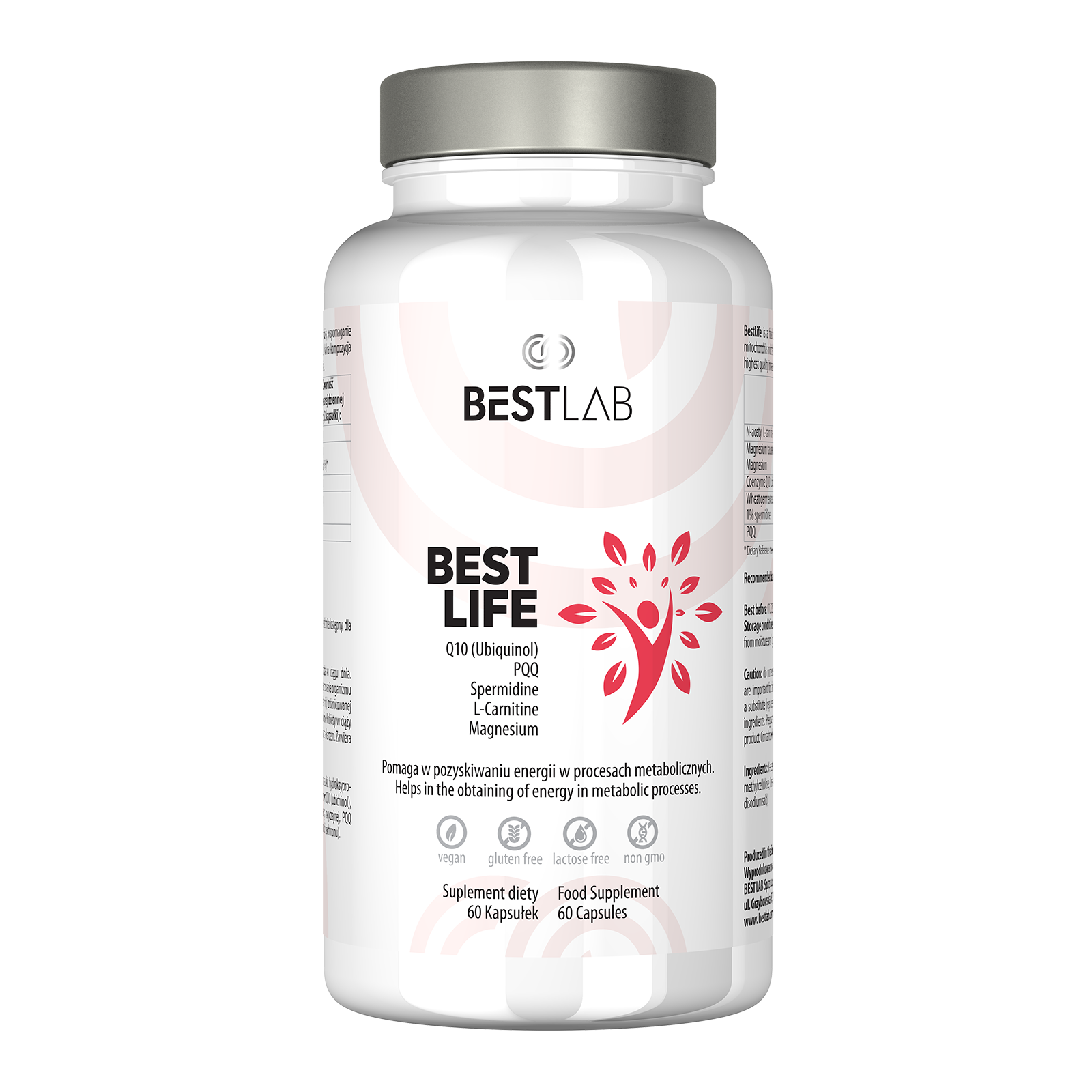
BestLife
£43.8
View Product →