
Thyroid dysfunction affects an estimated 1 in 20 people in the UK, with women five to eight times more likely to be affected than men. Many more experience suboptimal thyroid function without a formal diagnosis. Nutritional support for thyroid health has become one of the most searched supplement categories in the UK.
Contents
What does the thyroid gland actually do?
The thyroid produces hormones (T3 and T4) that regulate metabolism, energy production, body temperature, heart rate, and mood. When thyroid output is suboptimal, nearly every system in the body is affected.
Signs of suboptimal thyroid function
- Persistent fatigue and sluggishness regardless of sleep
- Unexplained weight gain or difficulty losing weight
- Feeling cold when others are comfortable
- Brain fog and poor concentration
- Hair thinning or loss
- Dry skin and brittle nails
- Low mood or depression
- Constipation
These symptoms overlap with many conditions. Always get a TSH blood test before assuming thyroid-related causes.
Which nutrients does the thyroid need?
Iodine
Iodine is the primary building block of thyroid hormones. The UK diet is borderline iodine-deficient for a significant portion of the population, particularly vegans (who avoid dairy and fish, the main UK iodine sources). The EU NRV for iodine is 150 mcg per day.
Selenium
Selenium is essential for converting inactive T4 into active T3 (the form cells can use). UK soils are selenium-poor, making dietary intake unreliable. 200 mcg of selenium daily is the most commonly studied dose for thyroid support.
Zinc
Required for T3 receptor function. Zinc deficiency can impair the body’s ability to use thyroid hormones even when production is adequate.
Vitamin D
Deficiency is strongly associated with autoimmune thyroid conditions (including Hashimoto’s thyroiditis). Most UK adults are deficient in winter months.
L-Tyrosine
An amino acid that combines with iodine to form thyroid hormones. A building block rather than a direct stimulant — supports production capacity.
What thyroid supplements cannot do
Supplements cannot replace thyroid hormone medication (levothyroxine) for people with diagnosed hypothyroidism. They are not a treatment for thyroid disease. Their role is to ensure the thyroid has the nutritional co-factors it needs to function at its best — particularly relevant where deficiencies are present.
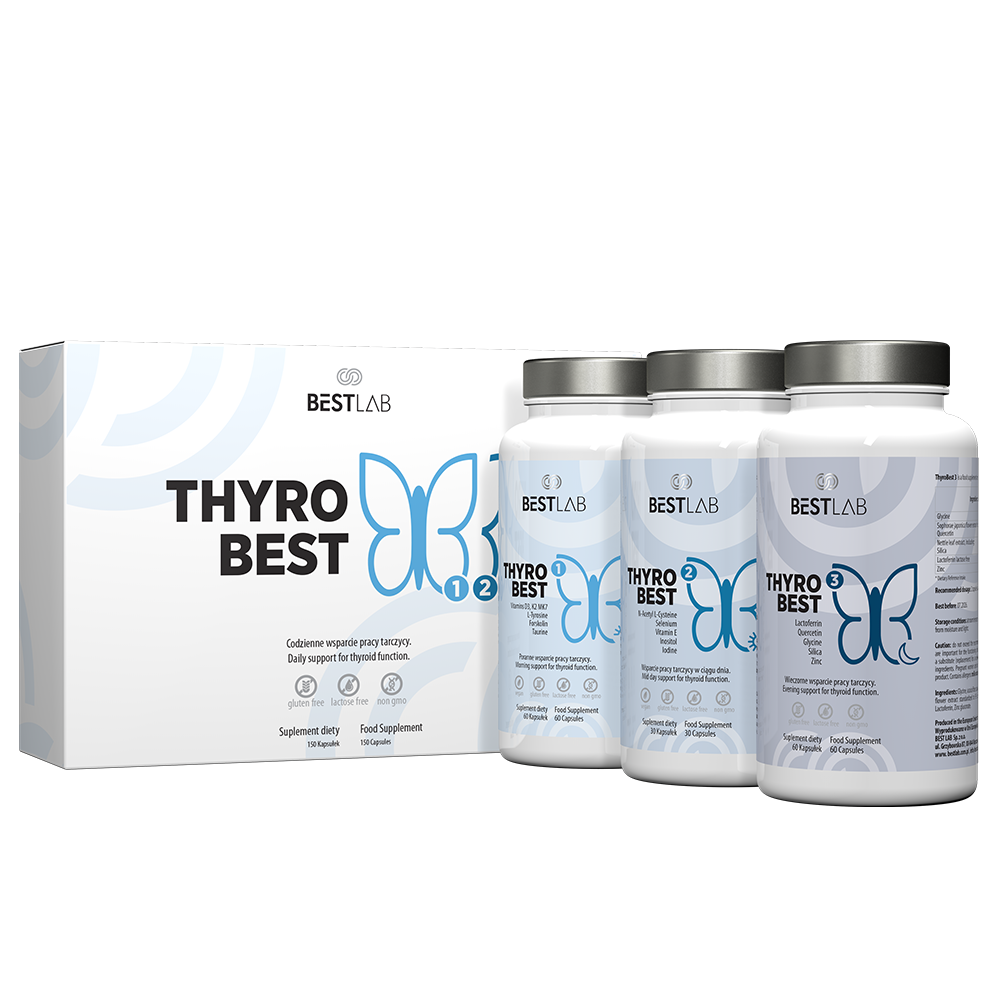
ThyroBest — a three-step approach to thyroid nutritional support
ThyroBest addresses thyroid nutrition comprehensively, using a three-part format (morning, midday, evening) to deliver thyroid co-factors at the times they are most relevant. This avoids dumping all nutrients at once and allows the body to utilise them more effectively.
The formula includes iodine and selenium at meaningful doses, L-tyrosine, zinc, vitamin D3, K2, ashwagandha for stress support, and B6 and magnesium in the evening formulation for overnight recovery.
Related reading
ThyroBest – 3-Step Thyroid Support£56View Product →