
Do you experience hot flashes, mood swings, sleep problems, concentration and memory impairment? If you are a woman and answered yes to several of these symptoms – you probably have menopause. Menopause is a natural stage in every woman’s life, usually occurring between the ages of 45 and 55. And while it is a biological process, it does not mean you have to passively endure it.
Contents
Do you experience hot flashes, mood swings, sleep problems, concentration and memory impairment? If you are a woman and answered yes to several of these symptoms – you probably have menopause. Menopause is a natural stage in every woman’s life, usually occurring between the ages of 45 and 55. And while it is a biological process, it does not mean you have to passively endure it. You have an influence on how you feel, and thanks to an appropriate lifestyle and supplementation, you can effectively alleviate menopausal symptoms and take care of your health. Learn about the stages and symptoms of menopause and discover ways to alleviate them. Check what vitamins, minerals, and active ingredients are worth taking to support a woman’s body during this demanding time and how you can help yourself feel feminine despite significant hormonal changes.
What is menopause and what are its stages?
Menopause is a natural process that all women go through and is divided into three main stages: perimenopause, menopause, and postmenopause. Each of them is characterized by different physical and hormonal changes.
- Perimenopause is the transitional period that precedes menopause. It usually lasts from several months to several years and is characterized by irregular menstrual cycles. Clinical, hormonal, and metabolic changes associated with the decline of ovarian function begin. The woman’s body prepares for the cessation of reproductive functions, the level of sex hormones, such as estrogens, begins to decrease, which can cause the first symptoms of menopause, such as mood swings, hot flashes, or sleep problems.
- Menopause is the last menstrual period. The definition of menopause states that it is the moment after which there is no menstrual bleeding for at least 12 months. This stage is the culmination of hormonal changes when estrogen levels are already significantly lowered. Menopausal symptoms, such as hot flashes, night sweats, and vaginal dryness, are most severe during this period.
- Postmenopause is the period that follows menopause and lasts until the end of life. During this time, the woman’s body is fully adapted to new hormonal levels. Although menopausal symptoms may gradually subside, postmenopause is associated with other health challenges, such as an increased risk of osteoporosis and heart disease. Appropriate and a healthy lifestyle can help maintain good health during this period.
Each of these stages requires a woman to adapt to new physiological and emotional conditions, but with proper knowledge and support, they can be navigated safely and comfortably.
Typical symptoms of menopause
Every woman is different and experiences menopause in a unique, personal way – this is influenced by genes, body structure, family history (e.g., the age at which her mother went through menopause), as well as lifestyle, stress levels, diet, and physical activity. Despite this individuality, many symptoms are common and characteristic of this stage of life. It is worth knowing them to better understand what is happening in the body and how to deal with it. Among the most common ones faced by many women around the age of 50 are:
- Hot flashes and night sweats – sudden waves of heat, facial redness, sweating, often occurring at night, disturbing sleep. Supplementation for hot flashes can support women for whom this is very troublesome.
- Sleep problems – difficulty falling asleep, frequent waking during the night, insomnia – often related to hormonal changes and hot flashes.
- Mood swings, irritability, anxiety – emotional variability, low mood, and even depressive symptoms – this is a result of a drop in estrogen levels, which affect brain function and serotonin economy.
- Concentration and memory problems – cognitive impairment, so-called “brain fog,” difficulty remembering and focusing attention.
- Libido disorders and vaginal dryness – decreased sex drive, discomfort during intercourse – resulting from lower levels of sex hormones.
- Decreased bone density and increased risk of osteoporosis – menopause accelerates bone mass loss, which is why calcium, vitamin D supplementation, and physical activity are important.
- Weight gain, especially around the abdomen – change in metabolism and redistribution of fat tissue, often more difficult weight management despite similar eating habits.
The most important vitamins for women during menopause
Are you wondering what vitamins for menopause are worth taking to provide your body with essential ingredients? The list of necessary vitamins, along with the functions resulting from the physiological changes occurring in a woman’s body during this period, is as follows:
- Vitamin D is essential for the absorption of calcium and phosphorus, which is crucial for maintaining healthy bones. During menopause, a drop in estrogen levels can lead to osteoporosis, and vitamin D helps prevent this condition. It also helps improve mood, as women in menopause often experience emotional fluctuations.
- Vitamin E acts as an antioxidant, protecting cells from oxidative stress, which can help alleviate hot flashes and vaginal dryness, and also supports skin in maintaining its elasticity and youthful appearance.
- B vitamins, such as B6, B9 (folic acid), and B12, are important for mood regulation and nervous system function. They help alleviate irritability and mood swings that often occur during menopause. Folic acid (vitamin B9) supports proper blood production and homocysteine metabolism, which can help reduce the risk of heart disease.
- Vitamin K helps in the proper absorption of calcium and its distribution in the body, which is important for maintaining healthy bones and reducing the risk of fractures.
Satisfying all vitamin needs can sometimes be difficult, which is why it is worth reaching for . These preparations contain a set of ingredients supporting a woman’s metabolism, providing vitamins, micro- and macroelements necessary for the body’s daily functioning.
Does magnesium help alleviate menopausal symptoms?
In addition to vitamins, the human body also needs minerals. Does magnesium help with menopause? Yes – an adequate level of magnesium in the body helps stabilize estrogen levels, which can reduce the severity of menopausal symptoms such as mood swings, sleep disturbances, and nervousness. Additionally, magnesium is important for bone health, which is crucial during menopause as the risk of osteoporosis increases at this time.
Studies have shown that magnesium supplementation can reduce the frequency and intensity of hot flashes in postmenopausal women. Magnesium also helps maintain healthy skin, hair, and nails.
Magnesium deficiency can worsen menopausal symptoms, so maintaining an adequate level of this element is important for improving the quality of life of women during this period. The best supplements for menopause must contain magnesium. It is also good for them to contain sodium and potassium, so they can support the body’s electrolyte balance, providing it with these essential ingredients.
Is it worth taking phytoestrogens in menopausal supplementation?
Phytoestrogens are natural plant compounds (including soy isoflavones, lignans from flaxseed, red clover extracts) that act similarly to estrogen, but much weaker. During menopause, when estrogen levels drop, phytoestrogens can partially make up for its deficiency. The most commonly used phytoestrogens include the following three:
- Soy isoflavones – preferably standardized extracts (e.g., from fermented soy), 40-80 mg of isoflavones daily.
- Red clover – contains biochanin A and formononetin, acts gently but effectively.
- Lignans from flaxseed – can be used in the form of ground flaxseed or supplements.
Despite their natural origin, phytoestrogens have hormonal effects, therefore:
- They are not recommended for women who have had hormone-dependent cancers (breast cancer, endometrial cancer), unless a doctor advises otherwise.
- Caution should be exercised with endometriosis and uterine fibroids – phytoestrogens may influence their development.
- When taking hormone replacement therapy (HRT) – do not combine with phytoestrogens on your own, as this may lead to excessive estrogenic stimulation.
Hot flashes in menopause and ways to alleviate them
Hot flashes are one of the most common and troublesome ailments during menopause. They usually manifest as a sudden feeling of heat, facial redness, sweating, and sometimes even heart palpitations. Interestingly, their intensity can significantly increase in stressful situations. When we are stressed, our body triggers a “fight or flight” response. Cortisol and adrenaline levels then rise, the heart beats faster, and body temperature increases. For women during menopause, whose thermoregulation system is even more sensitive due to hormone fluctuations, even slight stress can trigger or intensify a hot flash.
It’s often a vicious cycle – stressful situations intensify hot flashes, and hot flashes increase feelings of uncertainty and stress. To stop or reduce this state, it’s worth reaching for . When choosing preparations, however, pay attention to whether they contain magnesium and B vitamins. These are the ones that support the nervous system, help lower cortisol levels, and improve overall well-being during menopause. Supplementation for hot flashes can bring relief from menopausal symptoms, supporting hormonal balance and the nervous system, as well as reducing the frequency and intensity of hot flashes – especially when combined with an appropriate diet, stress reduction, and physical activity.
:
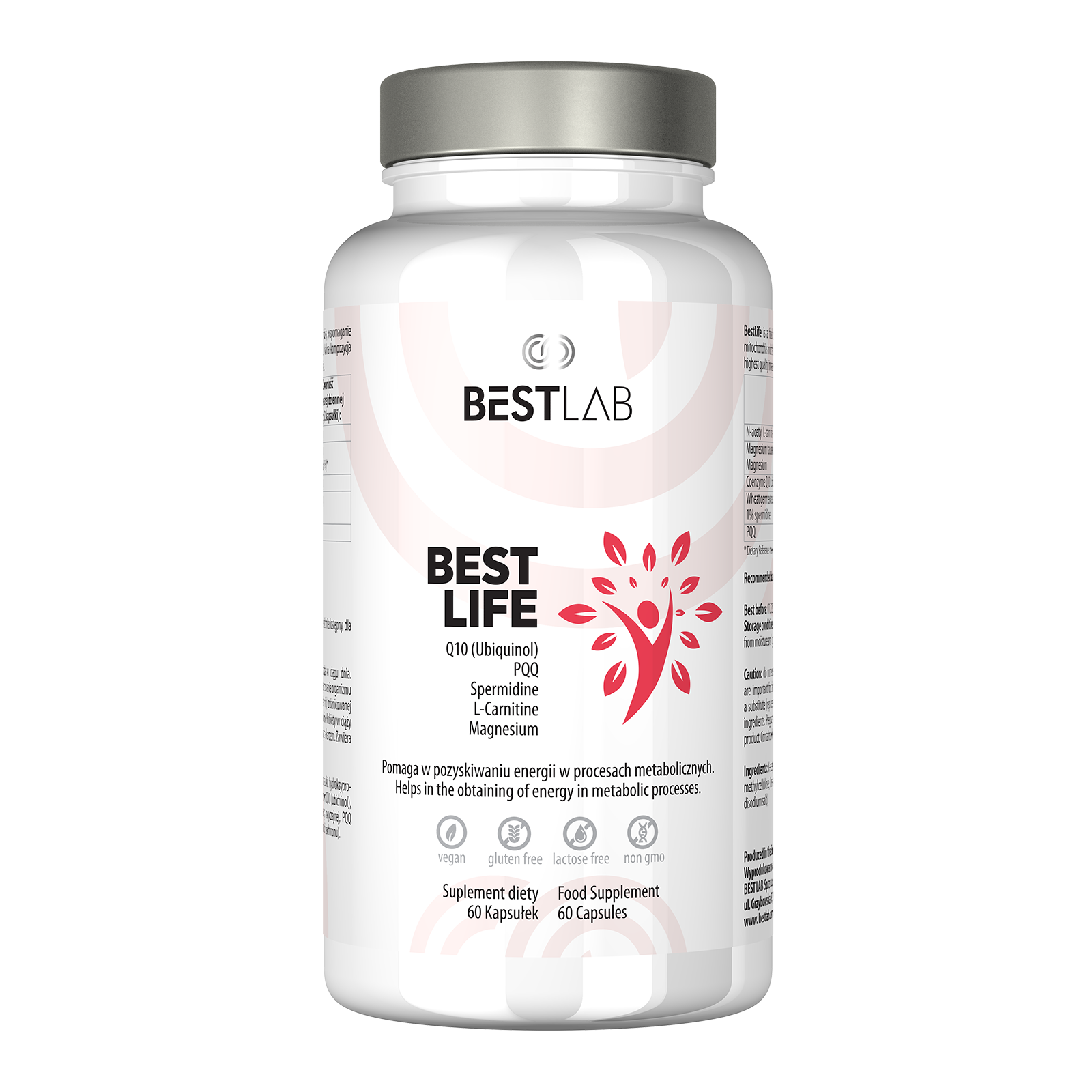
BestLife
£43.8
View Product →