
Dietary supplements have become an important element of the modern lifestyle – people wanting to take care of their health increasingly often reach for products intended to supplement dietary deficiencies, boost energy, improve skin appearance, or support immunity. However, despite growing awareness of the need to support the body with supplements, the most common mistakes made during supplementation are still widely repeated in society. Let’s therefore pay attention to these pitfalls and find out what to avoid and how to use dietary supplements safely. Learn what not to combine in supplements, how not to overdo supplementation, why supplementation without consultation is a risky approach, and what are the misconceptions about vitamins and minerals.
Contents
- The most common mistakes made during supplementation
- What not to combine in supplements?
- How not to overdo supplementation?
- Supplementation without consultation – a risky approach
- Misconceptions about vitamins and minerals
- Vitamin supplements and mineral supplements – what is worth knowing?
- Supplementation accessories
- In summary
The most common mistakes made during supplementation
Many consumers fall into the trap of thinking that supplementation is a universal solution for all ailments. Unfortunately, this leads to the repetition of several basic, yet dangerous, mistakes. The first and most important is rashly copying the regimens of other people – athletes, celebrities, or even family and friends. It must be remembered that each of us has individual nutritional needs and different metabolic predispositions. Using supplements in the same way as someone else may not bring any effects, or even harm.
A second serious problem is the unconscious combination of many products with a similar composition. This way, it is easy to exceed safe consumption norms (e.g., taking vitamin D3 from several different supplements simultaneously), which, with fat-soluble vitamins (A, D, E, K), threatens toxicity. A frequently observed mistake is also underestimating the importance of the chemical form of the supplement – meanwhile, by buying a cheap, less absorbable form of a mineral ingredient, one can fail to achieve the desired health improvement for a long time.
Analyzing the most common mistakes made during supplementation, one can also notice the indiscriminate use of preparations “by eye,” without confirmed indications. In reality, a properly balanced diet often covers the demand for most ingredients, and supplementation should be based on real, identified deficiencies. Yet another, often underestimated problem, is accumulating a large number of packages and “testing” various products without consultation, which results in chaos, the risk of interactions, and irregularity.
What not to combine in supplements?
When deciding to use more than one preparation, it is worth knowing the rules regarding interactions between individual ingredients. There are a number of substances that should not be combined due to reduced absorbability or antagonistic effects. An example is preparations containing iron and calcium – both elements “compete” for the same absorption mechanisms in the intestines. Using them simultaneously significantly limits the effectiveness of each.
Similarly, fiber can limit the bioavailability of iron or zinc – therefore, supplementation with these elements is best planned about 2 hours before or after meals rich in fiber. Another issue is combining vitamin C with vitamin B12 in large doses, which can reduce the absorption of the latter. The best practice is to maintain a time interval to give the body a chance to utilize both ingredients.
Another interaction to avoid is consuming large doses of magnesium with zinc – they can mutually interfere with intestinal absorption. Fat-soluble vitamins (A, D, E, K) potentially compete with each other for transport mechanisms, so it is also worth considering using them at different times.
How not to overdo supplementation?
The boundary between beneficial body support and harmful overload can easily be crossed. Especially today, when the choice of supplements is extremely wide and everyone can find something for themselves, the temptation arises to use several, or even a dozen or so products simultaneously. Meanwhile, one of the most dangerous phenomena is overdosing on vitamins and minerals.
Too high an intake of active ingredients leads to symptoms such as irritability, headaches, concentration disorders, digestive problems, skin changes, or heart rhythm disturbances. Most at risk are people who treat supplements as a “health boost” and regularly exceed the doses recommended by the manufacturer or dietitian. Paradoxically, using several different supplements with a similar profile can have the opposite effect – weaken the absorption of important compounds, disturb the acid-base or mineral balance, and lead to fatigue.
So, how not to overdo supplementation? Key is regular monitoring of ingredient levels in the blood, not using “just in case,” carefully reading the composition of preparations, and strictly adhering to recommendations regarding dosage and duration of use.
Supplementation without consultation – a risky approach
One of the biggest mistakes one can make is implementing supplementation on their own, without prior consultation with a specialist. Dietary supplements, although easily available, are concentrated sources of substances with a specific effect on the body. Even natural compounds can react with medications (e.g., reduce the effectiveness of anticoagulant or antihypertensive therapy), enhance or suppress the action of certain enzymes, and in the case of chronically ill people – lead to sudden deteriorations in health.
Supplementation without consultation = risky approach. This is no exaggeration! The best proof is the list of complications caused by uncontrolled use of supplements: hypervitaminosis D and A, anemia due to impaired absorption of minerals, and even kidney failure due to excessive burden on these organs.
Moreover, by self-supplementing, we risk mystifying disease symptoms, which results in a significant delay in diagnosing serious conditions (e.g., hypothyroidism, diabetes, or celiac disease). To avoid these dangers, every case of supplementation should be preceded by laboratory tests and consultation with a specialist who, based on the results and anamnesis, will determine the actual justification and a safe supplementation plan.
Misconceptions about vitamins and minerals
There are many myths on the market about supplements and misconceptions about vitamins and minerals – or rather, mineral components. The first of these is the conviction that supplements are essential for everyone regardless of age, health status, and diet. In reality, a properly composed diet, rich in various vegetables, fruits, whole grain products, and protein, almost fully covers the demand for most essential micronutrients and vitamins.
The second common mistake is the belief that “the more, the better.” Using several preparations with the intention of enhancing the effect can result in an excess of some substances and a deficiency of others. It should be remembered that the human body is a closed system in which each component plays a specific role – both deficiency and excess can be harmful.
The view that dietary supplements are completely harmless and that supporting health with them requires no control still persists. Meanwhile, even natural vitamin preparations can be dangerous if used improperly, especially for pregnant women, children, or people taking medications. Let us remember that supplements only make sense as a complement, not a substitute. Their task is to support the body in situations of deficiencies or increased demand, and not to be a “cure-all.”
Vitamin supplements and mineral supplements – what is worth knowing?
Vitamin supplements are a group of preparations whose primary task is to provide an adequate amount of selected vitamins, essential for the proper functioning of the body. They are particularly useful during periods of weakened immunity, intense physical exertion, during pregnancy and breastfeeding, during rapid growth in children, and in the case of elimination diets (e.g., vegetarian or vegan).
Vitamins play a key role in many metabolic processes: they support the immune system, affect the condition of skin, hair, and nails, and are involved in hormone production and nerve impulse transmission. When deciding on supplementation, it is worth choosing products that contain biologically active substances, with confirmed effectiveness and high absorbability. The composition of the supplement should be simple, and the dosage consistent with recommendations. Good do not contain unnecessary fillers, artificial colorings, or preservatives, and the entire production process is transparent and compliant with rigorous legal norms [vitamin supplements].
It is worth trusting proven brands that provide research and safety certificates, and in case of doubt, consult a pharmacist or dietitian about your choice.
Mineral supplements, in turn, are an offer primarily aimed at people with deficiencies confirmed by laboratory tests. Mineral components such as magnesium, calcium, iron, zinc, selenium, and potassium are essential for maintaining bone health, proper nerve conduction, fluid balance, and the functioning of the heart and muscular system.
In the case of supplementation, the form of the compound used in the preparation is very important. For example, magnesium glycinate or citrate are characterized by high bioavailability, thanks to which they are better utilized by the body than cheaper oxides. When choosing , it is worth paying attention to the exact composition, intended use, and safety of use. Excessive doses can lead to electrolyte imbalances, muscle pain, fatigue, and other complications.
The role of these types of supplements is not to treat deficiencies caused by serious ailments – such situations always require medical supervision. Preparations should rather support the daily diet and be used only in strictly defined cases.
Supplementation accessories
Organization and convenience in the daily use of supplements increase safety and effectiveness. It is therefore not surprising that supplementation accessories have appeared on the market, allowing better management of preparations at home and outside. Many people use weekly or daily organizers, which help to avoid mistakes, accidental double dosing, and also allow for preparing portions of supplements for the entire week or month.
An important element of safe supplementation is also proper storage – glass bottles and containers with screw caps protect preparations from moisture, contamination, sunlight, or accidental spillage, which helps maintain their freshness and effectiveness.
Measuring scoops, shakers, or special stirrers facilitate the use of supplements in powder or liquid form – they are especially convenient for active people, athletes, and those who use, for example, protein, collagen, or powdered mineral ingredients. By investing in appropriate , we ensure the safety, regularity, and effectiveness of supplementation, and also minimize the risk of errors and product waste.
In summary
Mindless intake of supplements is unfortunately a very common phenomenon. Wanting to support health, we often involuntarily repeat the same most common mistakes made during supplementation, unaware of what not to combine in supplements, and even how not to overdo supplementation. Ignorance and haste lead to ineffective use or even exposure to undesirable effects.
Let’s remember, it is worth carefully analyzing the composition of supplements and utilizing medical and dietary consultations. By using the full range of supplements, both vitamin supplements and mineral supplements, and opting for appropriate supplementation accessories, we will be able to derive real benefits from them, avoiding dangers.
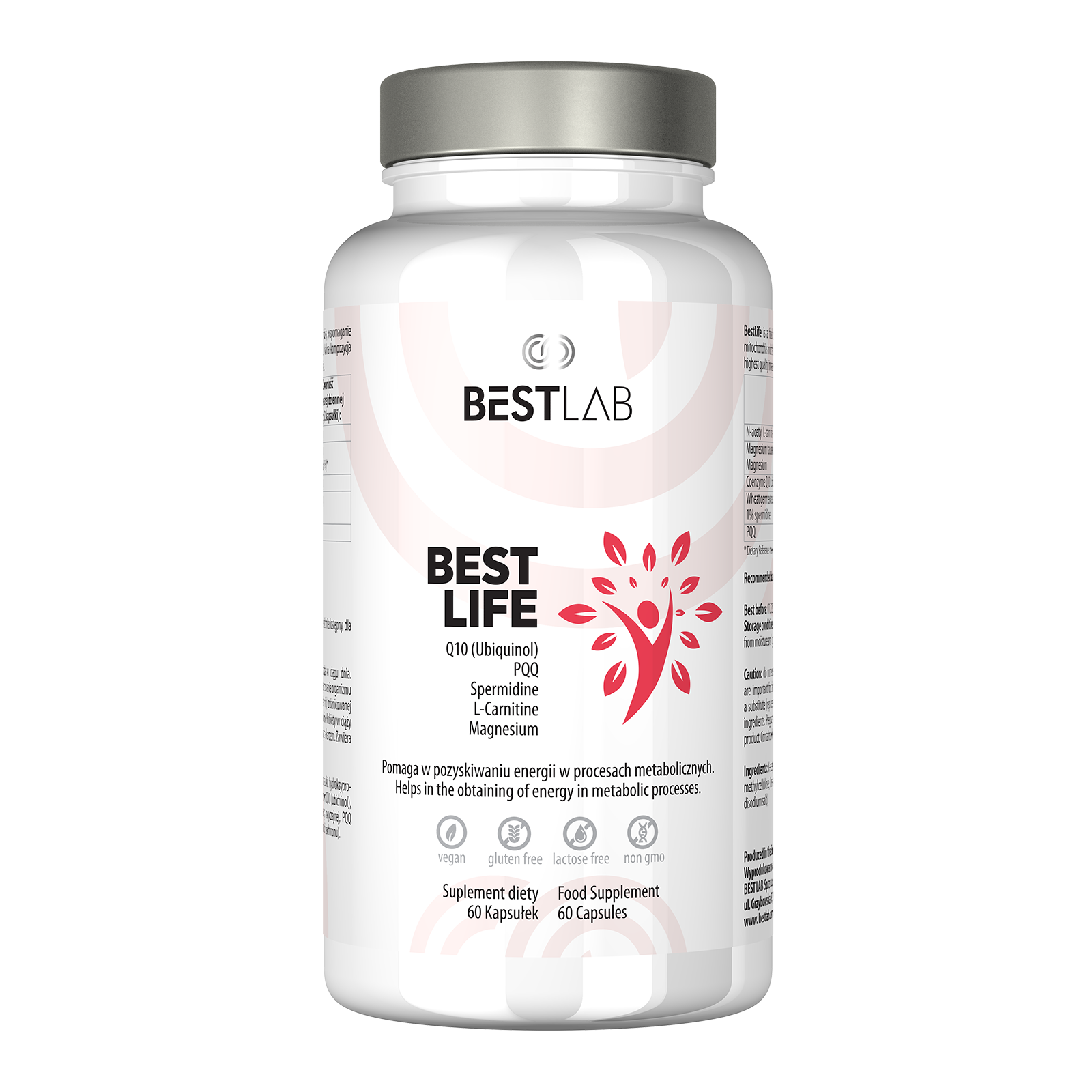
BestLife
£43.8
View Product →