
Insulin resistance is one of the most common metabolic conditions in the modern world — and one that often develops silently over many years before causing noticeable symptoms. Understanding what it is, how it develops, and how to address it early can make a significant difference to long-term health.
Contents
- What is insulin resistance?
- How does insulin resistance develop?
- Excess body fat — particularly visceral fat
- Physical inactivity
- Poor diet
- Poor sleep
- Chronic stress
- Symptoms of insulin resistance
- How insulin resistance is diagnosed
- How to improve insulin sensitivity
- Exercise — especially resistance training
- Dietary adjustments
- Improve sleep quality
- Stress management
- Nutritional support
- Related reading
What is insulin resistance?
Insulin is a hormone produced by the pancreas that enables cells to absorb glucose from the bloodstream and use it for energy. When cells become resistant to insulin’s signal, the pancreas compensates by producing more insulin to achieve the same effect. Over time, this leads to elevated insulin levels (hyperinsulinaemia) and, eventually, elevated blood glucose — a precursor to type 2 diabetes.
Insulin resistance exists on a spectrum. In its early stages, blood glucose levels may remain normal while insulin levels are elevated — a stage that standard glucose tests can miss. This is why fasting insulin and HOMA-IR (a ratio that estimates insulin resistance) are more sensitive markers than fasting glucose alone.
How does insulin resistance develop?
Multiple factors contribute to insulin resistance, often interacting with each other.
Excess body fat — particularly visceral fat
Fat stored around the abdomen and organs (visceral fat) is metabolically active and releases inflammatory signals that interfere with insulin signalling. Waist circumference is a stronger predictor of insulin resistance risk than BMI alone.
Physical inactivity
Skeletal muscle is the primary site of glucose disposal in the body. Regular physical activity — particularly resistance training and high-intensity interval training — significantly improves insulin sensitivity by increasing glucose transporters (GLUT4) in muscle cells.
Poor diet
Diets high in refined carbohydrates, added sugars, and ultra-processed foods cause repeated spikes in blood glucose and insulin, gradually reducing cellular sensitivity. Chronic overconsumption of calories, regardless of macronutrient composition, also contributes.
Poor sleep
Even a single night of poor sleep has measurable effects on insulin sensitivity. Chronically disrupted sleep — through shift work, sleep apnoea, or habitual late nights — is an independent risk factor for developing insulin resistance and type 2 diabetes.
Chronic stress
Cortisol, the primary stress hormone, raises blood glucose by stimulating gluconeogenesis in the liver. Chronic psychological stress therefore contributes to persistently elevated glucose and insulin, worsening insulin sensitivity over time.
Symptoms of insulin resistance
Insulin resistance is often asymptomatic in its early stages, which is why it often goes undetected. When symptoms do appear, they may include:
- Persistent fatigue, especially after meals
- Difficulty losing weight despite calorie restriction
- Sugar cravings and hunger shortly after eating
- Difficulty concentrating (brain fog)
- Skin changes — acanthosis nigricans (darkened, velvety skin in skin folds) is a visible sign
- Elevated blood pressure
- High triglycerides and low HDL cholesterol on blood tests
How insulin resistance is diagnosed
In the UK, GPs typically assess insulin resistance risk through:
- Fasting blood glucose — values between 5.5–6.9 mmol/L suggest prediabetes
- HbA1c — reflects average blood glucose over 3 months; 42–47 mmol/mol indicates prediabetes
- Fasting insulin and HOMA-IR — more sensitive but less routinely ordered; worth requesting if you have risk factors
- Lipid panel — high triglycerides and low HDL are features of the metabolic syndrome that accompanies insulin resistance
How to improve insulin sensitivity
Exercise — especially resistance training
Moving large muscle groups regularly is the single most effective intervention for improving insulin sensitivity. Aim for 150 minutes of moderate aerobic activity per week plus two sessions of resistance training. Even walking after meals significantly blunts post-meal glucose spikes.
Dietary adjustments
Reducing refined carbohydrates and ultra-processed foods, increasing fibre and protein, and eating within a consistent time window (time-restricted eating) all improve insulin sensitivity. Low-carbohydrate and Mediterranean dietary patterns both have strong evidence for this.
Improve sleep quality
Addressing sleep apnoea, maintaining a consistent sleep schedule, and prioritising 7–9 hours per night significantly improves glucose metabolism.
Stress management
Reducing cortisol through structured relaxation, adequate rest, and where necessary professional support for chronic anxiety or burnout supports better blood glucose regulation.
Nutritional support
Certain nutrients have evidence for supporting insulin sensitivity. Magnesium deficiency is common in people with insulin resistance, and supplementation has shown modest improvements in insulin sensitivity in clinical trials. Berberine and alpha-lipoic acid are among the most-studied botanical compounds in this area.
Related reading
- Chronic Fatigue: Causes, Symptoms & How to Recover Energy
- Best Magnesium Supplement UK 2025
- Best Vitamin B12 Supplement UK 2025
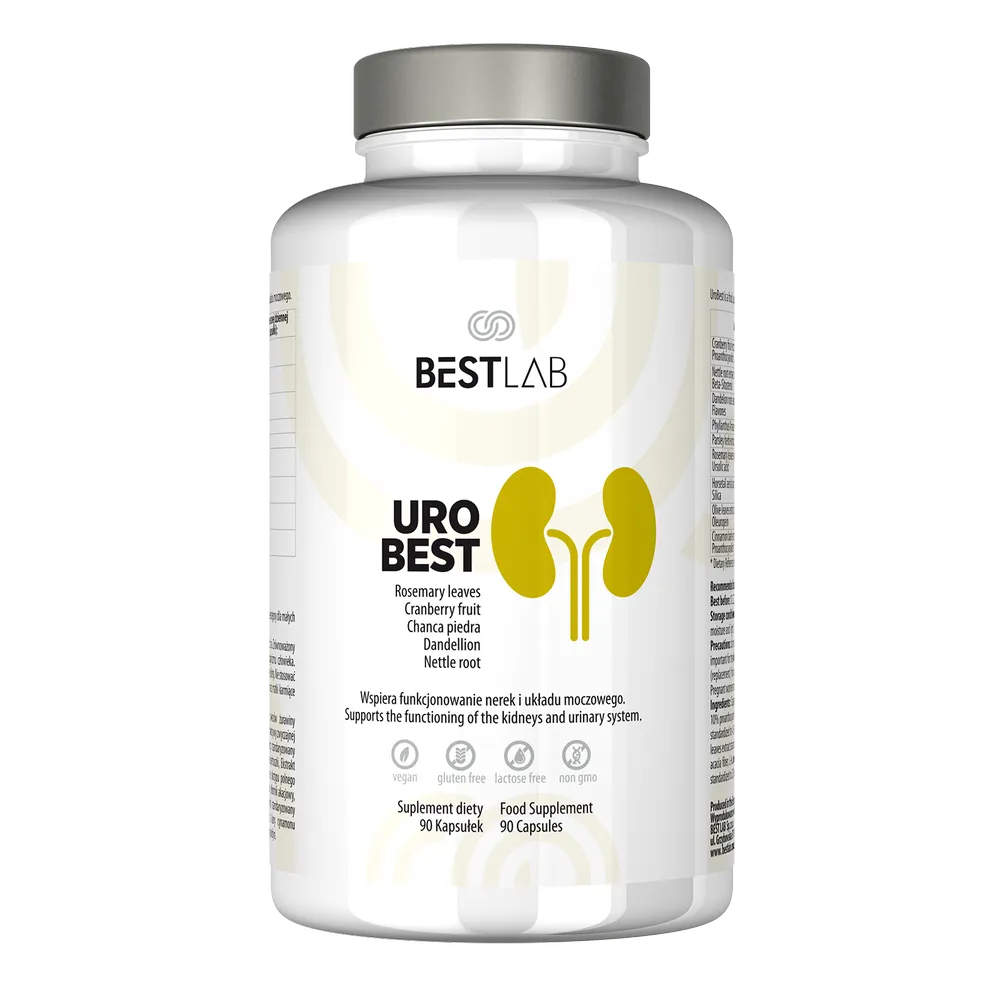
UroBest – Kidney & Urinary Tract Support
£32
View Product →