
There are many theories circulating online about dietary supplements, and a million contradictory opinions and pieces of information can be found on websites dedicated to healthy eating and lifestyle.
Contents
In an ideal world, each of us would have time for adequate sleep, regeneration, and time to eat nutritious meals. Unfortunately, this is often not the case, and life, without slowing down, presents us with more and more challenges. To cope with daily tasks, we need external support. More than half of Poles reach for dietary supplements daily to supplement deficiencies in the body and improve their health. However, it is worth considering whether everyone should use supplements? The answer is in the article below.
What are dietary supplements?
Dietary supplements are concentrated sources of selected nutrients, meaning vitamins and minerals, as well as other health-promoting and nutritional substances. Dietary supplements are sold in the form of tablets, pills, or capsules at pharmacies without a prescription. Nutrients that can be found in dietary supplements include:
- vitamins,
- minerals
- fatty acids,
- amino acids,
- plant extracts,
- herbal extracts.
Dietary supplements are often enriched with amino acids, fiber, and various types of probiotics and prebiotics, which support the digestive system. The main task of dietary supplements is to supplement nutritional deficiencies in the body, which significantly contributes to the proper functioning of all human physiological functions. Dietary supplements are not medicinal products and are not classified as medicines. Dietary supplements should be used as an addition to a daily, balanced diet, which will result in the overall well-being of the body.
Is it worth taking dietary supplements?
Is it worth using dietary supplements and are they useful at all? The answer is simple: YES. The current pace of work and time do not slow down, and throughout the day consumed by work, it is difficult for us to relax, rest, let alone maintain a 100% healthy eating lifestyle.
When we are unable to ensure the replenishment of all essential minerals and vitamins, it is worth reaching for dietary supplements, which will quickly and in an accessible form help us maintain health and make up for deficiencies.
7 reasons why everyone should use dietary supplements:
- Supplementing deficiencies in the body. Most people do not provide the most important nutrients to their body through diet. Poor eating habits, lack of appetite, frequent consumption of fast food, living under stress, and rigorous and often ill-conceived diets lead to many vitamin gaps. Supplementation aims to correct dietary errors, ensuring all necessary ingredients are delivered in the right form and quantity. Additional supplementation and maintaining a proper diet will increase the amount of nutrients tailored to your current requirements.
- Absorbability decreases with age. Poor absorption with age is a common problem affecting a significant percentage of the aging population. This is often accompanied by a lack of appetite related to existing diseases. The aging body no longer has such a strong ability to break down and absorb nutrients from the diet. The ideal solution will be to implement an appropriate complementary line for seniors, which will take care of their needs.
- Harmful chemicals in food. During the production process, food is artificially “beautified and improved”. Pesticides and other chemicals in food, especially highly processed food, can increase our demand for certain minerals and vitamins. Chemicals used in the food industry can cause the multiplication of free radicals, which negatively affect our immune and digestive systems. In this case, the best solution will be to introduce antioxidants into your supplementation, which neutralize the effects of free radicals and help the body fight them.
- Soil impoverishment. Modern agricultural techniques, using various types of fertilizers and sprays, deplete the soil, thereby causing a smaller storage of nutrients in vegetables.
- Prevention is better than cure. Using supplements will not protect us from the risk of various civilization diseases, but they can effectively distance us from them, e.g., using vitamin D when there is a risk of osteoporosis. Appropriate supplementation, diet, and physical activity will allow us to enjoy health and vitality for many years. It is also important to remember about regular check-ups to monitor our body’s condition and take an adequate amount of vitamins and minerals.
- Poor eating habits. Improper eating patterns, i.e.: consuming highly processed food, eating in a hurry and under stress (stress significantly reduces nutrient absorption), skipping fruits and vegetables, inadequate hydration during the day. All these factors hinder our body’s absorption of nutrients from the diet.
- Practicing sport. If you are a physically active person and exercise at the gym or run at least 3 times a week, your demand for certain vitamins and minerals is significantly greater than that of a non-training person. During training, the body uses much more energy, but also nutrients. To increase the level of post-workout regeneration, the body should be supported with additional supplementation, preferably prescribed by a doctor or sports dietitian.
Which supplements are essential for everyone
Supplementation should be chosen individually for everyone, taking into account factors such as:
- age,
- health status,
- body weight,
- medications taken.
However, there are supplements that are recommended for everyone, as their deficiencies are common and affect a significant part of the population.
Supplements worth taking daily are:
- vitamin D,
- omega 3,
- magnesium,
- vitamin C,
- B complex vitamins.
Vitamin D
Vitamin D has a huge impact on human health and condition. Its main task is to regulate calcium-phosphate metabolism, or to introduce balance between these two elements in the body. Vitamin D is responsible for:
- proper bone structure,
- immune support,
- eliminates the risk of certain cancers,
- aid in obesity treatment,
- participates in metabolism,
- regenerates neurons,
- regulation and quality of sleep.
Vitamin D is fat-soluble, and the recommended dosage is:
- infants and newborns – 1000 IU daily,
- for children – 2000 IU daily,
- adolescents – 4000 IU daily,
- adults and seniors – 4000 IU and more.
Dosage should be determined by a doctor or dietitian, especially for children and the elderly.
Omega 3
Omega 3 fatty acids are the main building blocks of our cells. Polyunsaturated fatty acids perform many beneficial functions in the body, such as:
- support heart function,
- support brain function,
- protect against certain cancers,
- strengthen bone structure.
The recommended daily dose of omega 3 supplementation for an adult is 250 mg.
Magnesium
Magnesium is another supplement that should become a permanent part of our daily supplementation routine. It is a key element that we should supplement and ensure its appropriate level in the body. It is responsible for the functioning of:
- the circulatory system,
- the immune system,
- the digestive system,
- supports the fight against chronic stress,
- supports regenerative processes and improves their quality.
Supplementation should be used according to the manufacturer’s recommendations found on the packaging. Various forms and concentrations of magnesium are available on the market, so it is best to choose the appropriate dose after consulting a doctor or dietitian.
Vitamin C
Vitamin C is an indispensable ally of the immune system, and its supplementation should be intensified during the autumn-winter period and the spring equinox. It is during these times that we are most susceptible to infections. Other very important functions of Vitamin C include:
- helps in iron absorption,
- supports collagen synthesis,
- fights bacteria causing tooth decay and bruxism,
- facilitates wound healing,
- helps in the fight against depression.
Vitamin C is a very strong antioxidant that neutralizes the action of free radicals, which contributes to better functioning of the immune and digestive systems.
Vitamin C dosage should be determined with a doctor. A safe dose is about 1mg/kg of body weight for adults, and about 2mg/kg of body weight for children.
B Complex
B vitamins are a collection of vitamins B1, B2, B3, B4, B5, B6, B7, B8, B9, B12. Each of them plays a significant role in the body, e.g.:
- supports brain function,
- supports the nervous system,
- reduces fatigue,
- is responsible for supporting skin, hair, and nails,
- supports the immune system.
We are unable to produce B vitamins on our own, which is why supplementation and a properly managed diet are very important.
Supplements for women and men – differences
Supplements for women and men differ depending on requirements and lifestyle. Although the basic range remains the same, many supplements and vitamin complexes are specifically dedicated to women or men.
Hormones in a woman’s body act differently than those in a man’s body, so it is natural that the scope and specifics of supplementation will be different.
The most important supplements for women are:
- iron,
- folic acid
- calcium.
Women, in particular, should take the aforementioned supplements, which will not only contribute to the health of their circulatory system, support the nervous system, and help prepare for pregnancy. Additionally, women in the pre-menopausal period can be recommended to take more calcium. A lower amount of female hormones weakens bones, which can eventually lead to osteoporosis.
Supplements for men are designed to take care of fertility and sexual health, for which Vitamin C will be excellent. Additionally, at a certain age, men have to deal with hair loss. This is undoubtedly due to work-related stress and a deficiency of Vitamin A, as well as B vitamins. B vitamins are also very important for men. Their regular supplementation is essential for improving muscle mass and will be crucial in the regeneration process.
Are dietary supplements safe?
Dietary supplements are safe if you take them according to the recommendations of a doctor or dietitian. Before taking any supplement, you should read the manufacturer’s recommendations on the packaging, as this is the best indicator for dosage and timing of intake. In the case of severe vitamin deficiencies, which may manifest as: hair loss, crumbling teeth, or dry skin; detailed tests should be performed to determine the level of deficiency of a given vitamin in the diet and to effectively address it.
Supplementation in modern times is a very crucial element for proper functioning. Food poor in micronutrients and chronic stress are not our allies in obtaining vitamins from food products alone. This does not mean that healthy eating is not important. Quite the opposite! Healthy eating combined with appropriate supplementation will bring very good results that will be visible to the naked eye. Starting with better well-being, ending with better condition of bones, skin, hair, and the functioning of the entire organism from within.
Bibliography:
Also check
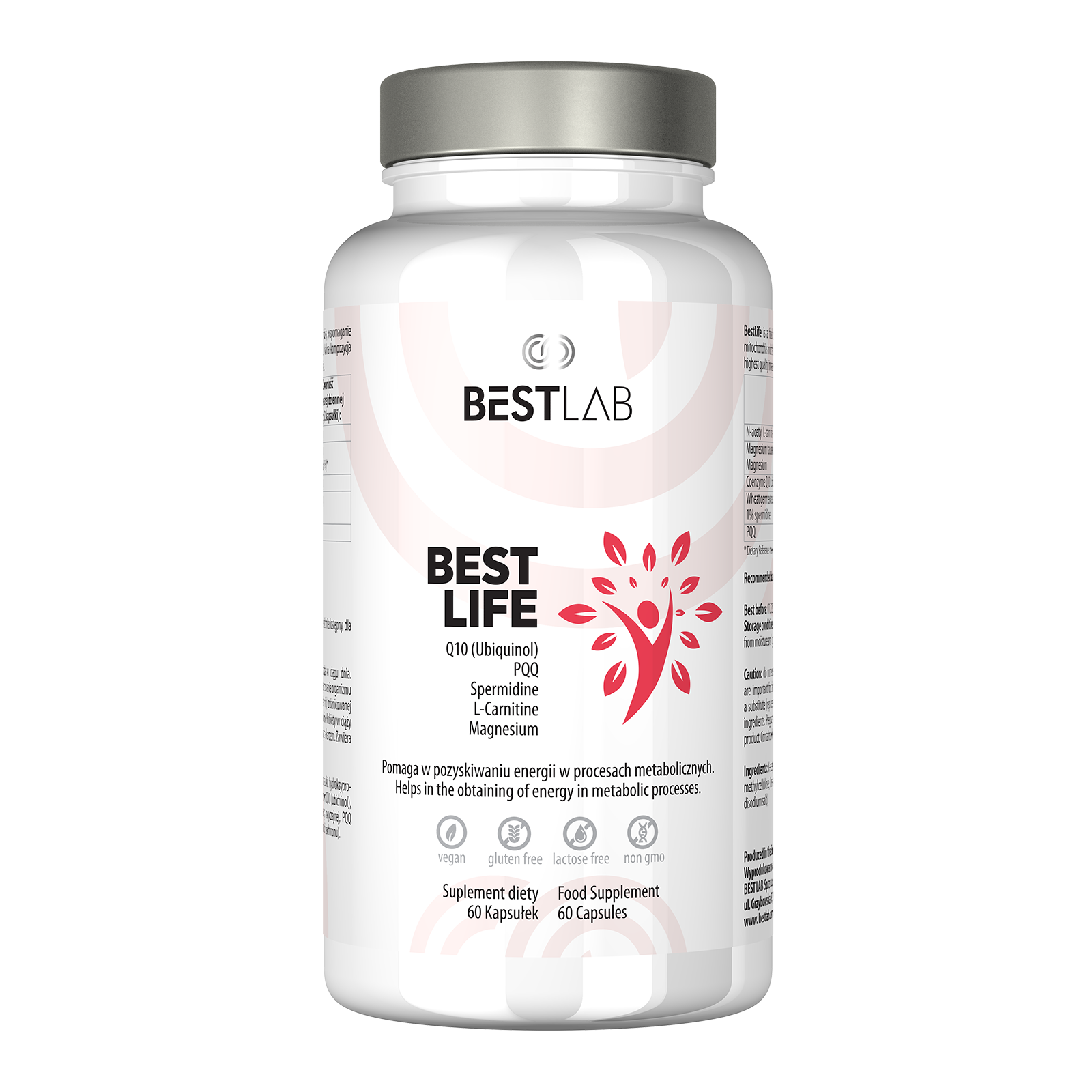
BestLife
£43.8
View Product →