
Collagen is a key structural protein that supports the health and resilience of skin, joints, bones, and connective tissue. While collagen is found in certain animal-based foods, your body also makes its own collagen from amino acids – and that process depends heavily on overall diet quality and key nutrients.
Contents
- Table of contents
- Which foods contain collagen?
- What affects collagen absorption from food?
- How to support collagen production naturally
- Broths, gelatine and fish: natural collagen sources
- Amino acids needed for collagen production
- Vitamins and minerals that support collagen synthesis
- FAQ
- What is collagen and what does it do?
- Why does collagen production decline with age?
- What are the best natural sources of collagen?
- What nutrients support collagen absorption and production?
- Is collagen supplementation effective?
- How long does it take to notice results?
- Can vegans take collagen?
- Can you take too much collagen?
Table of contents
- Which foods contain collagen?
- What affects collagen absorption from food?
- How to support collagen production naturally
- Broths, gelatine and fish: natural collagen sources
- Amino acids needed for collagen production
- Vitamins and minerals that support collagen synthesis
- FAQ
If your goal is stronger connective tissue support alongside diet and lifestyle, you may also consider targeted supplementation such as BestCollagen as part of a consistent routine.
Which foods contain collagen?
Dietary collagen comes from animal-based foods, because collagen is naturally present in connective tissue, skin, cartilage, and bones. The most common food sources include:
- Bone broth and slow-cooked stocks (made by simmering bones and connective tissue for a long time)
- Gelatine-rich foods (for example, dishes made with gelatine, and traditional meat jellies)
- Fish with skin (fish skin and connective tissue contain collagen)
- Meat cuts with connective tissue (for example, shanks, oxtail, or slow-cooked cuts)
These foods can contribute collagen and collagen-related proteins, but it is worth remembering that the body still breaks proteins down into amino acids and peptides. That is why the overall nutrient context matters: you need building blocks and the right “helpers” for collagen synthesis.
What affects collagen absorption from food?
Collagen from food is digested like other proteins, and how well you utilise it depends on several factors:
- Overall protein digestion and gut function (how effectively you break down and absorb proteins)
- Vitamin C intake, because it supports key steps involved in collagen formation
- Minerals such as zinc and copper, which support enzymes involved in connective tissue processes
- Lifestyle factors like smoking, excessive alcohol intake, and high UV exposure, which can negatively affect collagen status over time
If your digestion feels “off” or you are trying to improve nutrient utilisation more broadly, supporting the gut can be a smart foundational step. In that context, you may consider BestBiotic as part of a balanced routine.
How to support collagen production naturally
Your body builds collagen continuously, but production and turnover are influenced by diet and lifestyle. Practical steps include:
- Eat enough protein daily (collagen is a protein, so amino acids are essential)
- Prioritise vitamin C-rich foods (peppers, berries, citrus fruits, kiwifruit, broccoli)
- Include zinc and copper sources (nuts, seeds, wholegrains, cocoa; copper is also present in organ meats)
- Limit smoking and protect skin from excessive UV, as both can accelerate collagen breakdown
- Strength training to support tissues through mechanical loading and overall body composition
- Sleep and stress management to support recovery and normal tissue repair
If you want everyday micronutrient coverage to complement food choices, a broad formula such as VitaMinBest can support a consistent base routine.
Broths, gelatine and fish: natural collagen sources
Traditional collagen-rich foods are practical and budget-friendly:
- Bone broth – long-simmered broths can extract gelatine (derived from collagen) plus other nutrients from bones and connective tissue. Add vegetables and herbs to improve flavour and nutritional variety.
- Gelatine-based dishes – gelatine is essentially cooked collagen; it can be used in both sweet and savoury recipes.
- Fish with skin – including fish skin increases collagen intake; serving fish with lemon can be a simple way to pair it with vitamin C.
Food is a great start, but if your goal is consistent collagen intake without cooking broths regularly, BestCollagen can be an easy, repeatable option to fit into a daily routine.
Amino acids needed for collagen production
Collagen’s structure is built largely from specific amino acids, especially glycine, proline, and hydroxyproline. Glycine is particularly prominent in collagen proteins, and proline/hydroxyproline help form and stabilise the collagen triple-helix.
To support amino acid intake, focus on high-quality protein sources such as meat, fish, eggs, dairy (if tolerated), and legumes. A protein-adequate diet, combined with supportive micronutrients, helps create the right conditions for collagen turnover.
Vitamins and minerals that support collagen synthesis
Several nutrients help support normal collagen formation and connective tissue maintenance:
- Vitamin C – supports key steps involved in collagen formation
- Zinc – supports normal protein synthesis and tissue maintenance
- Copper – supports connective tissue processes and structural integrity
If you want a simple “cover the basics” approach alongside a collagen routine, VitaMinBest can support day-to-day micronutrient intake.
FAQ
What is collagen and what does it do?
Collagen is a structural protein that helps support connective tissue in the body. It contributes to the strength and elasticity of skin, and supports the structure of joints, bones, tendons, ligaments, and blood vessels.
Why does collagen production decline with age?
Natural collagen synthesis tends to decline with age due to changes in collagen-producing cells, hormone levels, and increased breakdown over time. Lifestyle factors such as UV exposure and smoking can also accelerate collagen degradation.
What are the best natural sources of collagen?
Bone broth, gelatine-rich foods, slow-cooked cuts with connective tissue, and fish (especially with skin) are common dietary sources.
What nutrients support collagen absorption and production?
Vitamin C, zinc, and copper are often highlighted as helpful for collagen-related processes. A protein-adequate diet provides the amino acids used to build collagen.
Is collagen supplementation effective?
Collagen supplementation can support wellbeing routines focused on skin and connective tissue, especially when used consistently and combined with a balanced diet and healthy lifestyle. If you want a practical option, consider BestCollagen.
How long does it take to notice results?
Many people assess consistency over several weeks. Individual results vary depending on diet, lifestyle, age, and baseline status.
Can vegans take collagen?
Collagen itself is animal-derived. Vegan routines typically focus on supporting the body’s own collagen production through adequate protein, vitamin C, and key minerals.
Can you take too much collagen?
Collagen is a protein and is generally well tolerated, but very high intakes may cause digestive discomfort in some people. Follow label guidance and consider your total daily protein intake.
Sources:
- Ricard-Blum, S. (2011). The collagen family. Cold Spring Harbor Perspectives in Biology, 3(1), a004978.
- Proksch, E., Schunck, M., Zague, V., Segger, D., Degwert, J., & Oesser, S. (2014). Beneficial effects of oral collagen peptide supplementation on skin physiology and cutaneous aging. Skin Pharmacology and Physiology, 27(1), 47–55.
- Sibilla, S., Godfrey, M., Brewer, S., Budh-Raja, A., & Genovese, L. (2015). An overview of the beneficial effects of hydrolyzed collagen as a nutraceutical on skin properties. The Open Nutraceuticals Journal, 8, 29–42.
- Yazaki, M., Ito, Y., Yamada, M., et al. (2017). Oral ingestion of collagen hydrolysate leads to transportation of Gly–Pro–Hyp into the bloodstream and skin. Journal of Agricultural and Food Chemistry, 65(11), 2315–2322.
- Bello, A. E., & Oesser, S. (2006). Collagen hydrolysate for osteoarthritis and other joint disorders: A review. Current Medical Research and Opinion, 22(11), 2221–2232.
This article is for informational purposes only and does not constitute medical advice. The information provided is not a substitute for professional medical guidance. If you have symptoms that concern you, are pregnant or breastfeeding, take medication, or have a medical condition, speak to a qualified healthcare professional before starting any supplement.
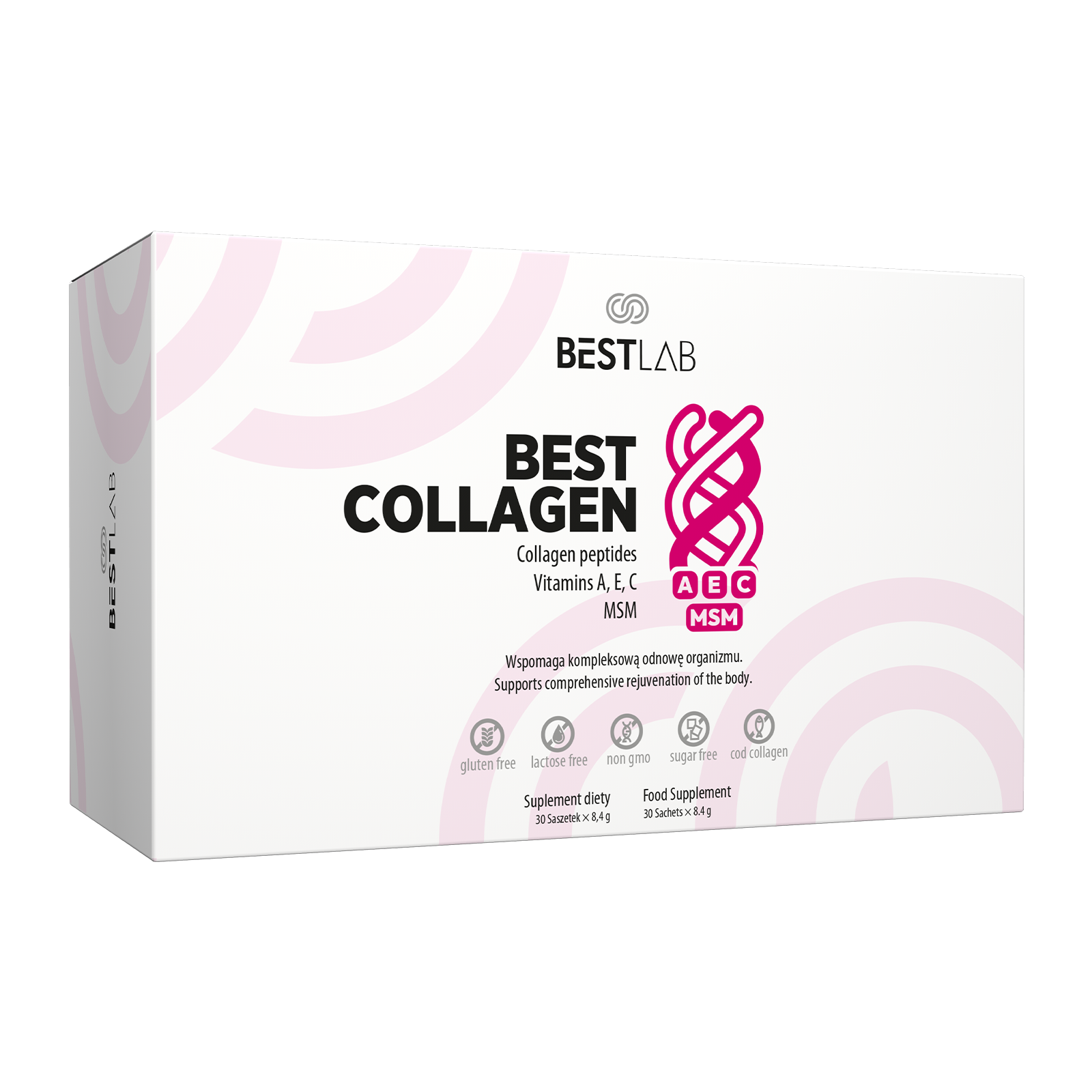
BestCollagen
£53.8
View Product →