
Collagen is the body’s main structural protein and a key building block of connective tissue. It helps support the structure and resilience of skin, joints, bones, tendons, cartilage, and blood vessels. As we age, natural collagen production declines, which is why collagen is often discussed in the context of skin firmness, joint comfort, and overall tissue strength.
Contents
- Table of contents
- What is collagen and why is it important?
- Types of collagen: I, II, III and what they do
- How collagen is made in the body
- Why we lose collagen with age
- What happens when collagen levels decline?
- Collagen and the circulatory system
- FAQ
- What is collagen?
- What are the main types of collagen?
- Why does collagen production decline with age?
- What are common signs of collagen decline?
- Is hydrolysed collagen easier to absorb?
- Which product can I consider if I want collagen support?
Table of contents
- What is collagen and why is it important?
- Types of collagen: I, II, III and what they do
- How collagen is made in the body
- Why we lose collagen with age
- What happens when collagen levels decline?
- Collagen and the circulatory system
- FAQ
What is collagen and why is it important?
Collagen is the most abundant structural protein in the human body and is often described as the “scaffolding” that helps tissues keep their shape and strength. It represents a significant proportion of total body protein and is a major component of connective tissue in skin, bones, tendons, ligaments, cartilage, and blood vessels.
Collagen fibres contribute to the firmness and elasticity of the skin and help tissues withstand stretching and mechanical stress. Because collagen is part of the structural framework that supports internal organs and connective tissues, maintaining healthy collagen turnover is important for long-term resilience and mobility.
If your focus is skin, connective tissue, and overall vitality support, you may want to consider BestCollagen as part of a consistent routine.
Types of collagen: I, II, III and what they do
Collagen exists in multiple types, each with different roles. The most commonly discussed are types I, II, and III:
- Type I collagen – the most abundant type. Found mainly in skin, bones, tendons, and ligaments. It supports tensile strength and contributes to skin firmness and tissue integrity.
- Type II collagen – associated primarily with joint cartilage. It helps cartilage maintain structure and shock-absorbing properties, supporting healthy joint function and mobility.
- Type III collagen – found in skin, blood vessels, and internal organs. It supports the elasticity of softer tissues and helps maintain the structure of vascular walls.
Understanding collagen types can help you align your lifestyle and nutrition goals (skin, joints, connective tissue, or overall support) with what you want to prioritise.
How collagen is made in the body
Collagen synthesis is a multi-step process. Specialised cells (including fibroblasts) produce collagen precursors that undergo several modifications before forming the well-known triple-helix structure. Once assembled, collagen fibres are organised in the extracellular matrix, where they contribute to the strength and flexibility of tissues.
Collagen production depends on overall nutritional status and healthy tissue turnover. Protein intake matters, as collagen is made from amino acids, and certain nutrients play supportive roles in normal connective tissue maintenance.
Why we lose collagen with age
As we age, the body’s ability to produce collagen efficiently tends to decline. Several factors contribute to this, including reduced activity of collagen-producing cells, hormonal changes, and increased activity of enzymes involved in collagen breakdown. External factors also matter – for example, UV exposure and oxidative stress can accelerate collagen degradation.
That combination helps explain why ageing is often associated with visible changes such as reduced skin elasticity and the appearance of fine lines, as well as changes in joint comfort and recovery.
What happens when collagen levels decline?
When collagen turnover is less favourable, people may notice changes in tissues that rely heavily on connective support. Commonly discussed effects include:
- Reduced skin firmness and elasticity, and a greater tendency toward fine lines
- Less resilient connective tissue, which can affect how joints feel during activity
- Slower recovery of tissues under repetitive load
- Reduced structural support in tendons and ligaments over time
Because connective tissue resilience is influenced by more than one factor, collagen support often works best alongside a broader routine: adequate protein, regular resistance training, good sleep, and hydration.
If hydration and mineral balance are part of your overall performance and recovery picture, you can also consider BestElectrolytes. For day-to-day cellular energy and antioxidant support, BestLife can complement a wellbeing routine.
Collagen and the circulatory system
Collagen is an important structural component of blood vessel walls. It contributes to strength and elasticity, helping vessels handle changes in blood pressure and maintain normal function. Collagen also plays a role in the body’s repair processes when tissues are stressed or damaged.
Supporting connective tissue health through nutrition and lifestyle is part of a long-term approach to overall wellbeing, and it can sit alongside broader daily foundations such as micronutrient coverage and immune support.
For everyday nutritional coverage, consider VitaMinBest. If your priority is immune resilience during seasonal shifts or higher-demand periods, you can look at ImmuBest.
FAQ
What is collagen?
Collagen is a structural protein and a major part of connective tissue. It helps support the strength and elasticity of skin, bones, tendons, cartilage, and blood vessels.
What are the main types of collagen?
The most commonly discussed types are: Type I (skin, bones, tendons), Type II (cartilage), and Type III (skin, blood vessels, internal organs).
Why does collagen production decline with age?
With age, collagen-producing cells tend to become less active, hormone levels change, and collagen breakdown can increase. External factors like UV exposure can also speed up collagen degradation.
What are common signs of collagen decline?
People often notice reduced skin elasticity and firmness, more visible fine lines, and changes in how joints and connective tissues feel during activity and recovery.
Is hydrolysed collagen easier to absorb?
Hydrolysed collagen is collagen that has been broken down into smaller peptides, which may be easier for the body to absorb and use as part of normal protein metabolism.
Which product can I consider if I want collagen support?
If collagen support is a priority in your routine, you can consider BestCollagen.
Sources:
- Ricard-Blum, S. (2011). The Collagen Family. Cold Spring Harbor Perspectives in Biology, 3(1), a004978.
- Shoulders, M. D., & Raines, R. T. (2009). Collagen structure and stability. Annual Review of Biochemistry, 78, 929–958.
- Proksch, E., Segger, D., Degwert, J., Schunck, M., Zague, V., & Oesser, S. (2014). Oral intake of specific bioactive collagen peptides reduces skin wrinkles and increases dermal matrix synthesis. Skin Pharmacology and Physiology, 27(3), 113–119.
- León-López, A., Morales-Peñaloza, A., Martínez-Juárez, V. M., Vargas-Torres, A., Zeugolis, D. I., & Aguirre-Álvarez, G. (2019). Hydrolyzed collagen—Sources and applications. Molecules, 24(22), 4031.
- Gelse, K., Pöschl, E., & Aigner, T. (2003). Collagens—Structure, function, and biosynthesis. Advanced Drug Delivery Reviews, 55(12), 1531–1546.
This article is for informational purposes only and does not constitute medical advice. The information provided is not a substitute for professional medical guidance. If you have symptoms that concern you, are pregnant or breastfeeding, take medication, or have a medical condition, speak to a qualified healthcare professional before starting any supplement.
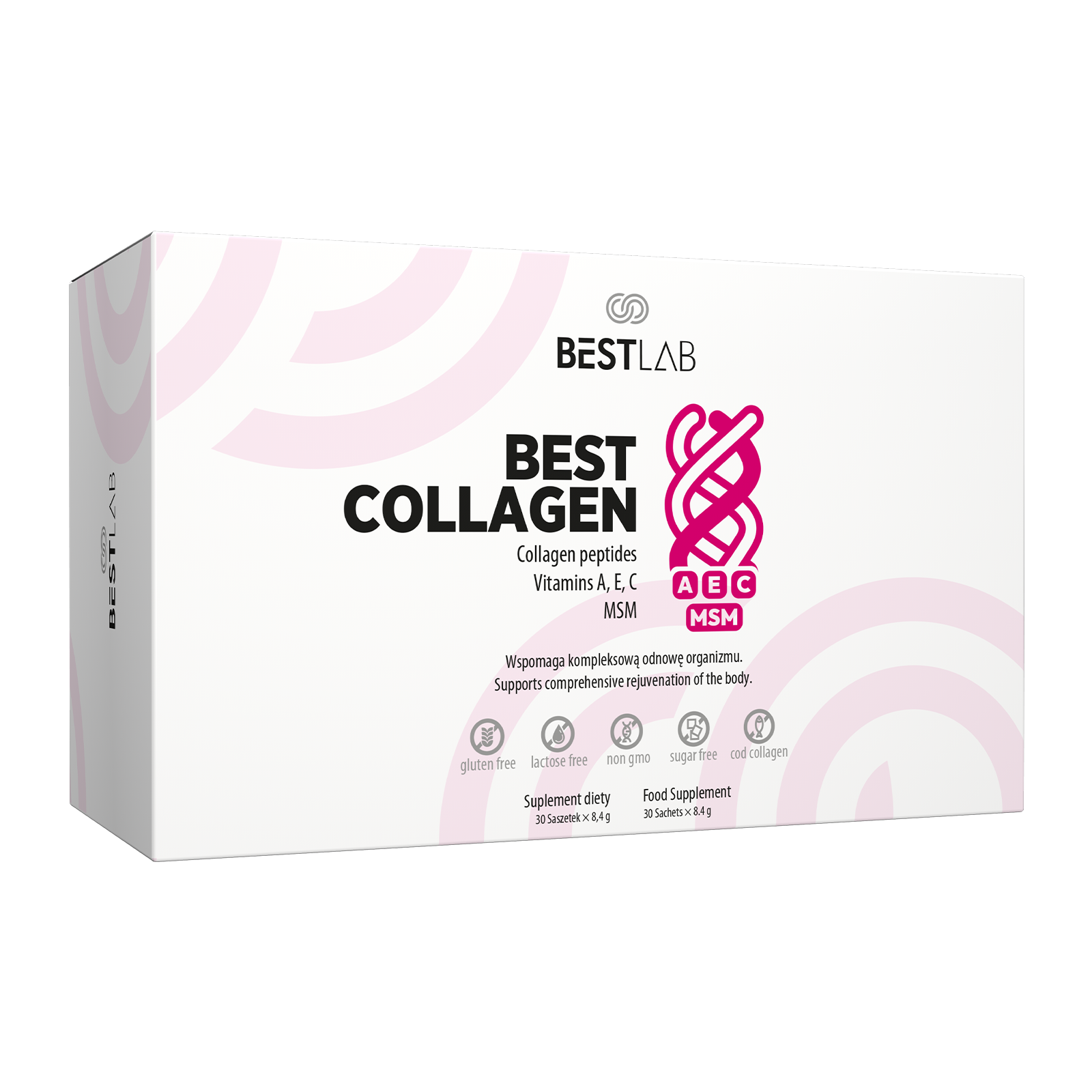
BestCollagen
£53.8
View Product →