
Collagen plays a key role in muscle regeneration after training, supporting the reconstruction of damaged fibers and improving tissue elasticity. It is the main protein of connective tissue, constituting about 30% of the body’s total protein mass. It is found in skin, joints, tendons, ligaments, and muscles, where it provides structure and strength. During intense physical exertion, micro-injuries to muscle fibers occur, and collagen for muscles supports their repair, accelerating the regeneration process. Additionally, collagen regeneration impacts joint health, reducing the risk of injuries and improving overall body performance.
Contents
- Why is collagen important for people who train?
- How does collagen support muscle and tendon reconstruction?
- Collagen and sports injuries – how to accelerate regeneration?
- When and how to take collagen after a workout?
- Best supplement combinations for regeneration
- Collagen + vitamin C + magnesium – regeneration set
- What forms of collagen to choose for intense exercise?
- The role of protein and amino acids in collagen formation
- FAQ
- What are the benefits of collagen supplementation for athletes?
- When is the best time to take collagen after a workout?
- What other supplements are worth combining with collagen for better regeneration?
- Can collagen replace whey protein after a workout?
- What are natural sources of collagen in the diet?
Post-workout regeneration is crucial for improving athletic performance. In this article, we explain how collagen supports muscle and tendon reconstruction and how it affects body regeneration.
From the article, you will learn:
- How collagen supports the muscle and body regeneration process.
- Why collagen supplementation is important for athletes.
- When is the best time to take collagen after a workout.
- What are the optimal forms of collagen for physically active people.
- What impact collagen, vitamin C, and magnesium have on joint health.
- About the best supplement combinations supporting regeneration.
- How collagen and other ingredients can prevent injuries.
- What are the benefits of long-term collagen use.
Why is collagen important for people who train?
Collagen plays a key role in muscle regeneration after training, supporting the reconstruction of damaged fibers and improving tissue elasticity. It is the main protein of connective tissue, constituting about 30% of the body’s total protein mass. It is found in skin, joints, tendons, ligaments, and muscles, where it provides structure and strength. During intense physical exertion, micro-injuries to muscle fibers occur, and collagen for muscles supports their repair, accelerating the regeneration process. Additionally, collagen regeneration impacts joint health, reducing the risk of injuries and improving overall body performance.
Including collagen in a training diet is important for athletes because it aids in muscle and tendon reconstruction, increases connective tissue elasticity, and contributes to better post-exertion regeneration. Regular collagen supplementation can lead to a reduction in the time needed for rest between workouts and a decrease in pain after intense exercise. Therefore, it is worth including collagen in your nutritional plan to support regenerative processes and maintain high athletic performance.
How does collagen support muscle and tendon reconstruction?
Collagen plays a key role in the regeneration process of muscles and tendons after intense physical exertion. As the main structural protein of connective tissue, it forms the foundation for the reconstruction of damaged muscle fibers and strengthens tendons, increasing their elasticity and durability. During training, micro-injuries occur in tissues, and collagen supports their repair, accelerating the healing process and reducing the risk of injury.
For athletes, regular collagen supplementation can bring significant benefits. Collagen for athletes supports post-workout regeneration, improves joint flexibility, and increases tendon resistance to stress. This makes it possible to shorten the recovery time between training sessions and reduce pain after exertion. Including collagen in your training diet can contribute to improving overall body performance and maintaining high athletic form.
Collagen and sports injuries – how to accelerate regeneration?
Collagen plays a key role in the regeneration process after sports injuries, supporting the reconstruction of damaged tissues and accelerating the return to full fitness. As the main structural protein of connective tissue, collagen affects the repair of tendons, ligaments, and cartilage, which often get damaged during intense workouts. Collagen supplementation for athletes can bring the following benefits:
- Accelerating the healing of wounds and micro-injuries.
- Strengthening the structure of tendons and ligaments.
- Improving joint flexibility and strength.
- Reducing the risk of recurring injuries.
Regular collagen intake supports the body’s repair processes, which is particularly important for physically active individuals. Collagen not only contributes to faster recovery after injuries but also helps maintain the health of joints and connective tissue, which is crucial for long-term athletic participation without injuries.
When and how to take collagen after a workout?
To maximize the benefits of collagen supplementation after training, it is crucial to choose the right time and method of intake. It is recommended to consume collagen in a dose of 5 to 15 grams per day, preferably in hydrolyzed form, which is characterized by high bioavailability. The optimal time to take collagen is approximately 30-60 minutes before a workout or immediately after it, which supports muscle and joint regeneration. It is also important to remember the regularity of supplementation, as systematic collagen intake promotes connective tissue reconstruction and improves muscle elasticity.
To increase effectiveness, collagen should be taken in combination with vitamin C, which supports its synthesis in the body. This can be achieved by adding the supplement to a drink containing vitamin C or consuming it with fruits rich in this vitamin. Remember that it is crucial to adjust the dosage and timing of collagen intake to individual needs and the type of physical activity performed. Regular monitoring of the body’s reaction will allow for optimal utilization of the benefits derived from collagen supplementation.
Best supplement combinations for regeneration
To effectively support muscle regeneration and improve overall body performance, it is worth combining collagen regeneration with other supplements that have a synergistic effect. Vitamin C plays a key role in collagen synthesis, so its supplementation can increase the effectiveness of collagen in connective tissue reconstruction. Glucosamine and chondroitin support joint health, and their combination with collagen can contribute to better regeneration of joint cartilage. Hyaluronic acid improves joint hydration and elasticity, which, when combined with collagen, can increase their endurance. MSM (methylmethane sulfonyl) has anti-inflammatory and pain-relieving effects, supporting the body’s regenerative processes. Including these supplements in your diet can significantly accelerate regeneration after physical exertion and reduce the risk of injuries.
Regular use of collagen in combination with the mentioned ingredients can bring benefits for both physically active individuals and those who want to improve the condition of their joints and muscles. It is worth remembering that appropriate supplementation should be tailored to individual needs and lifestyle, and its effects are most visible with systematic use. Consultation with a doctor or dietitian can help in selecting the right dosages and forms of supplements to maximize the benefits derived from their use.
Collagen + vitamin C + magnesium – regeneration set
The combination of collagen, vitamin C, and magnesium creates an effective regeneration set for athletes. Collagen supports connective tissue reconstruction, vitamin C is essential for its synthesis, and magnesium plays a key role in muscle function. Regular use of this trio can bring the following benefits:
- Accelerating muscle regeneration after intense exertion.
- Strengthening tendons and ligaments, which reduces the risk of injuries.
- Improving joint flexibility and strength.
- Reducing inflammation and muscle pain.
- Maintaining electrolyte balance, which prevents muscle cramps.
Including collagen, vitamin C, and magnesium in your daily diet can significantly improve the body’s regenerative processes. It is worth remembering the regularity of supplementation and adjusting dosages to individual needs to achieve optimal results.
What forms of collagen to choose for intense exercise?
For intense physical exertion, it is advisable to choose supplements containing different types of collagen, as each plays a distinct role in the body. Type I collagen is responsible for the strength of bones, tendons, and skin, while type II supports the elasticity of joint cartilage, and type III aids in the regeneration of muscles and blood vessels. For physically active individuals, preparations containing bioactive collagen peptides, which are characterized by high bioavailability and effectiveness, are the best choice. The BestCollagen supplement from BestLab contains hydrolyzed fish collagen – rich in type I, supporting the regeneration of tendons, muscles, and joints. The formula has been enriched with vitamin C, MSM, and vitamin E, which support collagen synthesis and protect cells from oxidative stress. Regular use of such a preparation promotes faster regeneration after workouts, reduces the risk of injuries, and supports the maintenance of flexible, strong joints.
The role of protein and amino acids in collagen formation
Protein and amino acids play a key role in the natural production of collagen – the main structural component of connective tissues. Collagen is primarily composed of three amino acids: glycine, proline, and hydroxyproline, which form a triple helix giving it exceptional strength. For the body to effectively synthesize collagen, an adequate supply of complete protein in the diet, derived from meat, fish, eggs, dairy, or legumes, is essential. Equally important is the presence of vitamins C, B6, B12, copper, and zinc, which act as cofactors for enzymes responsible for connecting collagen fibers. Deficiencies in amino acids or these micronutrients can significantly slow down the tissue regeneration process and weaken the structure of skin, muscles, and joints. Therefore, a balanced diet rich in protein and supplementation supporting collagen synthesis is fundamental for effective regeneration and maintaining musculoskeletal health – especially in physically active individuals.
FAQ
Collagen supplementation can accelerate muscle and tendon regeneration, reduce the risk of injuries, and improve joint flexibility, which is important for physically active individuals.
The optimal time to take collagen is approximately 30-60 minutes before a workout or immediately after it, which supports muscle and joint regeneration.
Vitamin C supports collagen synthesis, and magnesium plays a key role in muscle function. The combination of these ingredients can increase the effectiveness of regeneration.
Collagen does not contain all essential amino acids needed for muscle building, so it does not replace whey protein. It serves as a supplement for the protection of connective tissues, while whey protein should remain the primary source of amino acids for muscle regeneration.
Natural sources of collagen include bone broths, meat and fish jellies, fish and poultry skins, and offal. Including these products in the diet can support the body’s natural collagen production.
Shaw, G., Lee-Barthel, A., Ross, M. L., Wang, B., & Baar, K. (2017). Vitamin C-enriched gelatin supplementation before intermittent activity augments collagen synthesis. American Journal of Clinical Nutrition, 105(1), 136-143.
Clark, K. L., Sebastianelli, W., Flechsenhar, K. R., Aukermann, D. F., Meza, F., Millard, R. L., Deitch, J. R. (2008). 24-Week study on the use of collagen hydrolysate as a dietary supplement in athletes with activity-related joint pain. Current Medical Research and Opinion, 24(5), 1485-1496.
Zdzieblik, D., Oesser, S., & Baumstark, M. W. (2015). Collagen peptide supplementation in combination with resistance training improves body composition and increases muscle strength in elderly men. British Journal of Nutrition, 114(8), 1237-1245.
Lis, D. M., Baar, K. (2019). Collagen, connective tissue, and recovery: Are we missing something? Frontiers in Physiology, 10, 1886.
Barker, T., Henriksen, V. T., Martins, T. B., Hill, H. R., Kjeldsberg, C. R., Schneider, E. D., Dixon, B. M., Weaver, L. K. (2019). Hydrolyzed collagen supplementation increases extracellular matrix remodeling and mechanical properties of connective tissue. Nutrients, 11(6), 1249.
McAlindon, T. E., Nuite, M., Krishnan, N., Ruthazer, R., Price, L. L., Burstein, D., Griffith, J. (2011). Change in knee osteoarthritis cartilage detected by MRI following supplementation with collagen hydrolysate: A pilot randomized controlled trial. Osteoarthritis and Cartilage, 19(4), 399-405.
Oesser, S., Adam, M., Babel, W., & Seifert, J. (1999). Orally administered collagen hydrolysate accumulates in cartilage tissue and stimulates the synthesis of extracellular matrix macromolecules. Cell and Tissue Research, 311(3), 393-399.
Schunck, M., Zague, V., Oesser, S., & Proksch, E. (2021). Dietary supplementation with specific collagen peptides improves muscle strength and body composition: A review of recent evidence. Frontiers in Nutrition, 8, 713435.
Zdzieblik, D., Gollhofer, A., König, D. (2017). Effect of specific collagen peptide supplementation on bone mineral density and bone markers in postmenopausal women: A randomized controlled trial. Nutrients, 9(1), 97.
Deutz, N. E. P., Wolfe, R. R. (2013). Is there a maximal anabolic response to protein intake with a meal? Clinical Nutrition, 32(2), 309-313.
Cuendet, M., & Dayer, J. M. (1996). Collagen biosynthesis: Role of proline and hydroxyproline. Biochemical Journal, 315(2), 569-576.
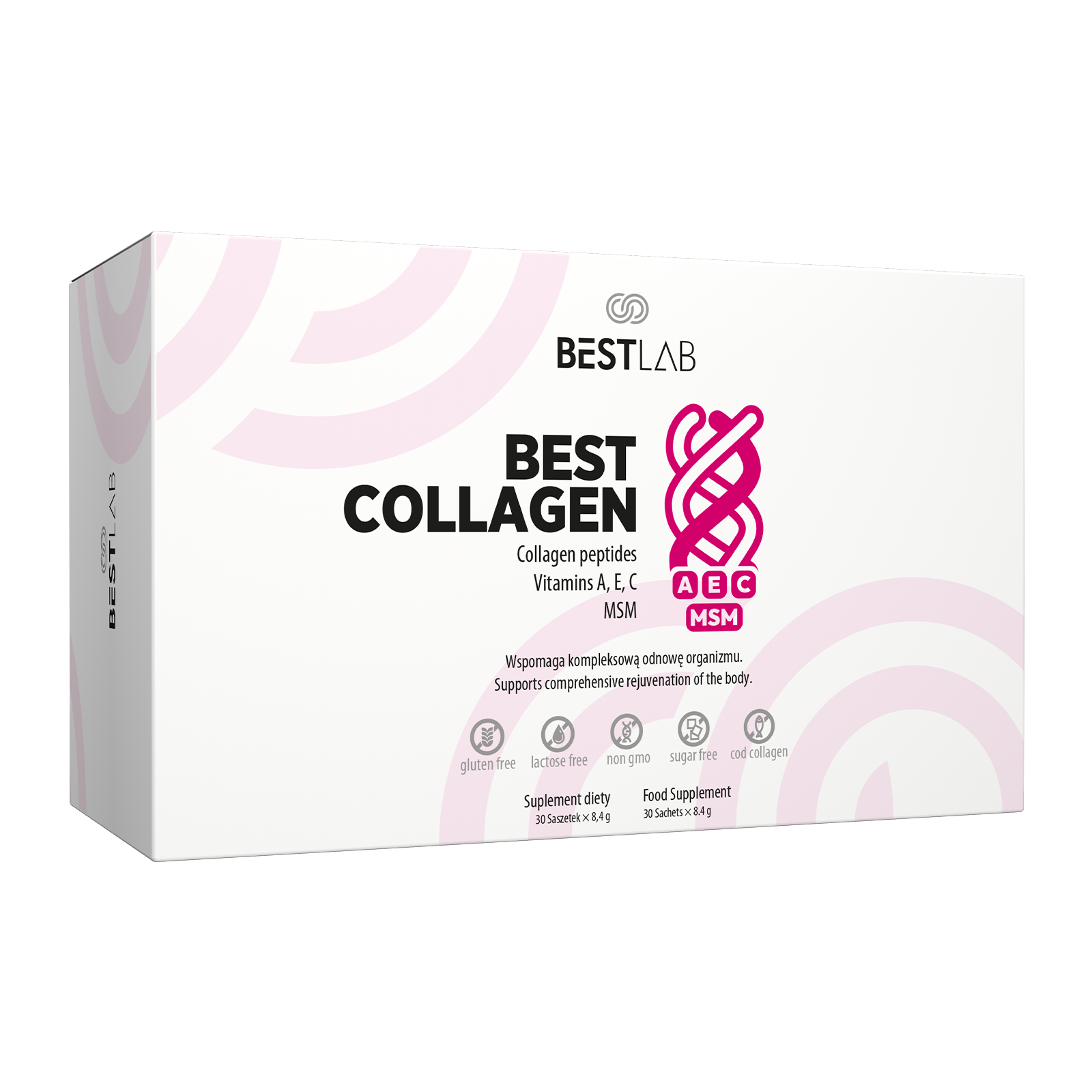
BestCollagen
£53.8
View Product →