
Collagen is a key structural protein that provides firmness and elasticity to the skin. After the age of 25, its production begins to decline by about 1% annually. As a result, the skin becomes thinner and less resilient. During menopause in women, there is a rapid degradation of collagen fibers by 30-35%. In men aged 30-40, the body produces 15% less collagen, and after 60, even 45% less. Reduced collagen synthesis leads to the appearance of wrinkles, weakening of joints, and loss of skin elasticity. Factors such as UV radiation, smoking, and an unhealthy diet further accelerate this process.
Contents
- How does collagen production change with age?
- Symptoms of collagen decline after the age of 30, 40, and 50
- Which forms of collagen are most effective at different ages?
- How to support collagen production in your 30s and 40s?
- Collagen supplementation after 50 – what to pay attention to?
- The role of hormones and menopause in collagen loss
- The impact of lifestyle, diet, and sleep on collagen regeneration
- How to combine collagen with vitamins A, C, E, and zinc
- FAQ
- Why does collagen production decrease with age?
- What are the first symptoms of collagen deficiency after the age of 30?
- Is collagen supplementation necessary after the age of 40?
- What forms of collagen are most effective for people over 50?
- Can diet support collagen production?
- What factors accelerate collagen loss?
- Should men also supplement collagen?
- How long should collagen supplementation be used to notice effects?
As we age, our skin and body need more support. One of the key elements that can help maintain a healthy appearance is collagen. Learn how its demand changes over the years and how to properly supplement it.
From the article, you will learn:
- How our body’s collagen needs change across different decades of life.
- Why collagen is crucial for skin and joint health after the age of 30.
- What symptoms signal a drop in collagen production and how to counteract them.
- How to choose the right collagen supplements depending on age.
- Whether diet and lifestyle can affect collagen levels and what changes to make in daily habits.
- How hormonal changes, including menopause, impact collagen production.
- How physical activity can help maintain the body’s collagen structure.
How does collagen production change with age?
Collagen is a key structural protein that provides firmness and elasticity to the skin. After the age of 25, its production begins to decline by about 1% annually. As a result, the skin becomes thinner and less resilient. During menopause in women, there is a rapid degradation of collagen fibers by 30-35%. In men aged 30-40, the body produces 15% less collagen, and after 60, even 45% less. Reduced collagen synthesis leads to the appearance of wrinkles, weakening of joints, and loss of skin elasticity. Factors such as UV radiation, smoking, and an unhealthy diet further accelerate this process.
Symptoms of collagen decline after the age of 30, 40, and 50
After the age of 30, the body produces less collagen, leading to the first signs of aging. The skin loses elasticity, fine wrinkles appear, and hair becomes more brittle. During this period, you may also notice weakened joints and reduced tendon strength. Collagen after 30 is an important topic in the fight against premature aging.
After the age of 40, the decline in collagen is more noticeable. The skin becomes thinner, wrinkles deepen, and the facial oval changes. Hair loses its shine and density, and nails become brittle. At this time, joint pain and stiffness of movement may appear. Collagen after 40 helps maintain a healthy skin appearance and joint mobility.
After the age of 50, collagen production significantly decreases. The skin loses firmness, becomes dry and more prone to damage. Wrinkles become deeper, and the wound healing process lengthens. Hair may thin, and joints are more susceptible to degeneration. Collagen after 50 in supplementation can support skin and joint health.
Which forms of collagen are most effective at different ages?
Choosing the right form of collagen depends on age and specific bodily needs. After the age of 30, supplementation with Type I collagen is recommended, which is dominant in skin, bones, and tendons. Collagen after 30 supports skin elasticity and joint health. Hydrolyzed fish collagen is particularly recommended due to its high bioavailability.
After the age of 40, it is worth continuing Type I collagen supplementation, but in higher doses. Collagen after 40 supports skin and joint regeneration. After the age of 50, Type II collagen is additionally recommended, which is crucial for joint cartilage. Collagen after 50, in combination with vitamins C and E, can improve skin hydration and joint elasticity. Regular supplementation tailored to age supports health and delays the aging process.
How to support collagen production in your 30s and 40s?
After the age of 30, collagen production in the body decreases, affecting the condition of skin and joints. To support collagen after 30, it is worth introducing dietary changes. Consuming products rich in vitamin C, such as citrus fruits, bell peppers, or parsley, stimulates collagen synthesis. Additionally, incorporating animal protein, fish, and legumes into the diet provides the amino acids necessary for its production.
After the age of 40, the decline in collagen is more noticeable. It is then worth taking care of your lifestyle. Regular physical activity, such as walking or yoga, improves circulation and supports tissue regeneration. Avoiding stress and getting enough sleep also have a positive impact on collagen after 40. Using cosmetics with retinol and peptides can further stimulate collagen production in the skin, improving its elasticity and reducing the visibility of wrinkles.
Collagen supplementation after 50 – what to pay attention to?
After the age of 50, collagen production in the body significantly decreases, affecting the condition of skin, joints, and bones. When choosing collagen supplements, it is worth paying attention to their form and composition. Collagen, especially Type I, is characterized by high bioavailability, which promotes tissue regeneration. Additionally, the presence of vitamin C in the preparation supports collagen synthesis.
When choosing a supplement, the origin of the collagen is also important. Fish collagen is often recommended due to its structure being similar to human collagen and its good bioavailability. Regular supplementation tailored to age can support skin and joint health, delaying the aging process. Remember to consult a doctor before starting supplementation, especially if you are taking other medications or have chronic conditions. Collagen after 50 should be an element of daily health care.
The role of hormones and menopause in collagen loss
Menopause is a period of significant hormonal changes, especially a drop in estrogen levels. Estrogens play a key role in the synthesis of collagen, the protein responsible for skin firmness and elasticity. Their deficiency leads to reduced collagen production, resulting in weakened skin structure and the appearance of wrinkles. In the first five years after menopause, women can lose up to 30% of their skin collagen.
To counteract age-related collagen loss, consider the following actions:
- Using hormone replacement therapy (HRT) under medical supervision, which can increase skin hydration and elasticity.
- Collagen supplementation, especially Type I, to support skin and joint regeneration.
- Using cosmetics with retinol and peptides, which stimulate collagen production in the skin.
- A healthy diet rich in vitamin C, essential for collagen synthesis.
- Regular physical activity, which improves circulation and supports tissue regeneration.
Implementing these actions can help maintain skin health and delay aging processes associated with menopause.
The impact of lifestyle, diet, and sleep on collagen regeneration
Lifestyle, diet, and sleep have a huge impact on the natural regeneration of collagen in the body. Daily habits determine whether tissue reconstruction processes proceed correctly. Lack of sleep, stress, smoking, or excessive sun exposure accelerate collagen degradation and weaken the structure of skin, muscles, and joints. Conversely, an adequate amount of sleep – at least 7-8 hours a day – supports the production of anabolic hormones that stimulate collagen synthesis and cell regeneration. Equally important is a balanced diet rich in protein, vitamin C, zinc, copper, and antioxidants, which protect collagen fibers from oxidative stress. Consuming vegetables, fruits, fish, eggs, and nuts promotes the maintenance of tissue elasticity. Regular physical activity improves circulation, delivering nutrients to cells, which supports collagen reconstruction and maintains a healthy musculoskeletal system.
How to combine collagen with vitamins A, C, E, and zinc
Combining collagen with vitamins A, C, E, and zinc significantly enhances its regenerative and protective effects. Vitamin C is crucial in the process of collagen synthesis – it participates in the hydroxylation of proline and lysine amino acids, stabilizing the structure of collagen fibers. Vitamin A supports the renewal of skin and mucous membrane cells, which promotes better absorption of collagen’s building blocks. In turn, vitamin E acts as a powerful antioxidant, protecting collagen from degradation caused by oxidative stress and UV radiation. Zinc acts as an enzymatic cofactor in the process of new connective tissue formation and supports wound healing and cell regeneration. Regular combination of these ingredients – in diet or supplementation – supports collagen reconstruction, improves skin elasticity, and increases tissue resistance to damage, contributing to the preservation of a youthful appearance and efficiency.
FAQ
As years pass, the body naturally reduces collagen synthesis, leading to loss of skin elasticity and weakening of joints.
After the age of 30, fine wrinkles, dry skin, and weakened hair and nails may appear.
Collagen supplementation after the age of 40 can support skin and joint health, helping to delay the aging process.
After the age of 50, Type I and II collagen in hydrolyzed form are recommended due to their high bioavailability.
Yes, consuming products rich in vitamin C, such as citrus fruits or bell peppers, supports collagen synthesis.
UV radiation, smoking, and an unhealthy diet can accelerate collagen degradation in the body.
Yes, men also experience a decrease in collagen production with age, which can affect the condition of their skin and joints.
The effects of collagen supplementation may be noticeable after several weeks of regular use, but longer courses are recommended for lasting results.
Shuster, S., Black, M. M., & McVitie, E. (1975). The influence of age and sex on skin thickness, skin collagen and density. British Journal of Dermatology, 93(6), 639-643.
Zouboulis, C. C., & Makrantonaki, E. (2011). Clinical aspects and molecular diagnostics of skin aging. Clinics in Dermatology, 29(1), 3-14.
Baumann, L. (2007). Skin ageing and its treatment. Journal of Pathology, 211(2), 241-251.
Brincat, M. (2000). Hormone replacement therapy and the skin. Maturitas, 35(2), 107-117.
Castelo-Branco, C., Duran, M., Gonzalez-Merlo, J. (1992). Skin collagen changes related to age and hormone replacement therapy. Maturitas, 15(2), 113-119.
Oesser, S., Adam, M., Babel, W., & Seifert, J. (1999). Orally administered collagen hydrolysate accumulates in cartilage tissue and stimulates the synthesis of extracellular matrix macromolecules. Cell and Tissue Research, 311(3), 393-399.
Proksch, E., Schunck, M., Zague, V., Segger, D., Degwert, J., & Oesser, S. (2014). Oral intake of specific bioactive collagen peptides reduces skin wrinkles and increases dermal matrix synthesis. Skin Pharmacology and Physiology, 27(3), 113-119.
Zdzieblik, D., Oesser, S., & König, D. (2015). Collagen peptide supplementation in combination with resistance training improves body composition and increases muscle strength in elderly men. British Journal of Nutrition, 114(8), 1237-1245.
Pullar, J. M., Carr, A. C., & Vissers, M. C. (2017). The roles of vitamin C in skin health. Nutrients, 9(8), 866.
Rhie, G., Shin, M. H., Seo, J. Y., Choi, W. W., Cho, K. H., Kim, K. H., Park, K. C., Chung, J. H. (2001). Aged-related change of the collagen network and matrix metalloproteinase induction in human skin in vivo. Mechanisms of Ageing and Development, 122(7), 695-707.
Watanabe-Kamiyama, M., Shimizu, M., Kamiyama, S., Taguchi, Y., Sone, H., Morimatsu, F. (2010). Absorption and effectiveness of orally administered low-molecular-weight collagen hydrolysate in rats and humans. Journal of Agricultural and Food Chemistry, 58(2), 835-841.
Nusgens, B. V. (2010). Topically applied vitamin C enhances the mRNA level of collagens I and III, their processing enzymes, and tissue inhibitor of matrix metalloproteinase 1 in the human dermis. Journal of Investigative Dermatology, 114(4), 643-649.
Farris, P. K. (2005). Topical vitamin C: A useful agent for treating photoaging and other dermatologic conditions. Dermatologic Surgery, 31(Suppl 1), 814-818.
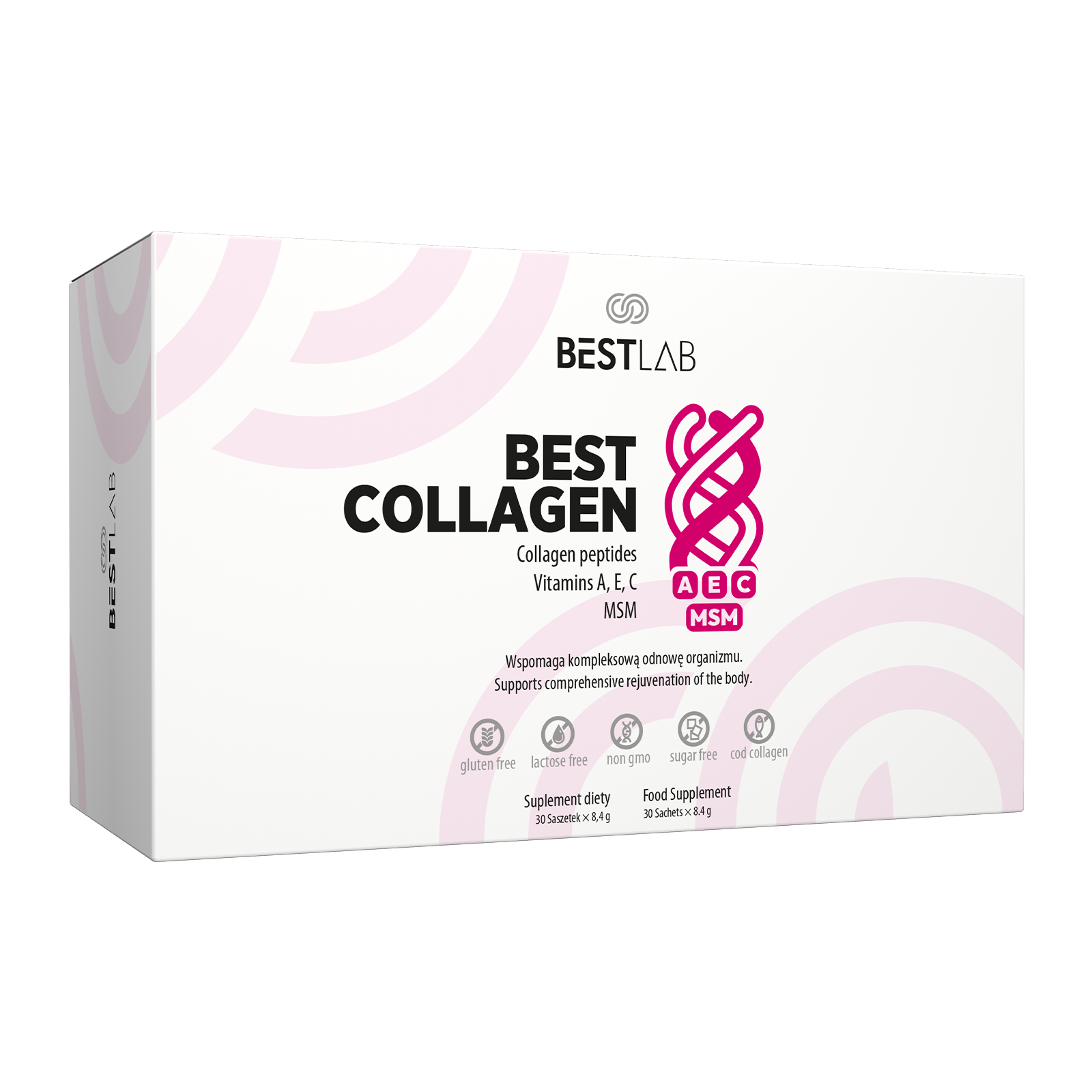
BestCollagen
£53.8
View Product →