
In current times, we often reach for supplements as a dietary complement. But can these products fully replace healthy eating, or do they only play an additional role in a dietary plan?
Contents
- Do supplements replace a healthy diet?
- The role of supplements as support for daily nutrition
- Is it worth relying solely on supplements?
- How to combine a healthy diet with supplementation?
- Boundaries between diet and supplements
- Changes in eating habits and the demand for supplements
- FAQ
- Can supplements replace a healthy diet?
- When should you consider supplementation?
- What are the potential risks associated with excessive use of supplements?
- How to properly combine supplementation with diet?
- What are the differences between natural food ingredients and supplements?
- What are the current trends in the supplement market?
From the article, you will learn:
- what are the main differences between supplements and natural food ingredients
- when supplements can be a beneficial dietary complement and when they become a necessity
- how to properly combine supplementation with daily nutrition
- what risks are associated with relying solely on supplements
- how the supplement market is evolving in terms of innovation and new trends
- what factors influence the effectiveness of supplements
- how changes in eating habits affect the demand for supplements
Do supplements replace a healthy diet?
Dietary supplements, such as , are a valuable addition to the daily diet, but they should not replace it. Their main goal is to support the body in situations where the diet does not provide enough of certain nutrients – for example, during periods of increased stress, intense physical exertion, or weakness. A varied, wholesome diet remains the foundation of a healthy lifestyle, as in addition to vitamins and minerals, it also provides fiber, antioxidants, and other bioactive compounds with broad health-promoting effects.
Supplements can effectively support the proper functioning of the body, helping to maintain energy, immunity, and well-being, especially when ideal eating habits cannot always be maintained. The key is their sensible use – according to the body’s needs and the manufacturer’s recommendations. Properly selected supplementation can therefore be a practical and safe way to enhance the effects of a healthy diet and supplement daily nutrition.
The role of supplements as support for daily nutrition
Dietary supplements, such as vitamin supplements and mineral supplements, play an important role in supplementing nutritional deficiencies, especially when the diet does not provide sufficient amounts of essential nutrients. In situations where the intake of vitamins and minerals is insufficient, supplementation can help restore their appropriate levels in the body.
It is worth remembering, however, that should be used as a support for daily nutrition, not a substitute. Their task is to supplement the diet with specific ingredients that may be missing from the daily menu. Therefore, it is crucial that supplementation is conscious and tailored to individual needs.
Is it worth relying solely on supplements?
Dietary supplements can be valuable support in daily functioning, but they should not be the sole source of nutrients. Their task is to supplement the diet, not replace wholesome meals. Natural food provides not only vitamins and minerals, but also fiber, antioxidants, and many other bioactive substances that act synergistically, supporting the health of the entire body. Relying solely on supplements can lead to an imbalance in nutrition and the omission of important ingredients that cannot be fully replicated in tablet or capsule form. A balanced diet, rich in vegetables, fruits, grain products, and protein sources, remains the foundation of a healthy lifestyle, and supplementation should only be its complement. Consciously combining healthy eating with appropriately selected supplements allows for the best results – it supports immunity, energy, and well-being every day.
How to combine a healthy diet with supplementation?
Combining a healthy diet with supplementation is the best way to comprehensively support the body. The basis should always be a varied, wholesome diet, rich in vegetables, fruits, whole grains, healthy fats, and an adequate amount of protein. It is from food that the body derives most of the necessary nutrients and valuable bioactive substances that supplements cannot fully replace. Supplementation, on the other hand, can fill any deficiencies – especially during periods of increased stress, weakness, intense work, or dietary restrictions. It is worth choosing preparations according to individual needs, paying attention to the quality and bioavailability of the ingredients. Regularity and moderation are key to achieving the best results. Combining a healthy diet with well-planned supplementation supports immunity, concentration, energy levels, and overall well-being, helping to maintain balance and vitality every day.
Boundaries between diet and supplements
The boundary between diet and supplements lies primarily in their role in daily nutrition. Diet is the foundation of a healthy lifestyle – it provides energy, fiber, vitamins, minerals, and thousands of bioactive compounds that jointly support the proper functioning of the body. Supplements, on the other hand, complement this diet, helping in situations where it is difficult to meet the full demand for specific ingredients. They do not replace meals but support the body in maintaining balance and immunity, especially during periods of increased physical or mental strain. Conscious use of supplements allows for strengthening the effects of healthy eating and facilitates taking care of well-being.
Changes in eating habits and the demand for supplements
Changes in eating habits directly affect the body’s demand for nutrients, and thus the need for supplements. Switching to a plant-based diet, reducing meat, eliminating dairy or gluten often involves limiting sources of certain vitamins and minerals, such as vitamin B12, iron, calcium, or zinc. In such cases, supplementation can be valuable support, helping to maintain proper levels of essential substances in the body. On the other hand, incorporating more fresh vegetables, fruits, and whole-grain products into the diet can reduce the need for some supplements, as it provides more natural sources of vitamins, antioxidants, and fiber. It is important that every change in eating habits is conscious and gradual, taking into account the individual needs of the body. Supplements can support this process, ensuring nutritional balance and facilitating adaptation to new habits, especially in the initial stage of dietary change.
FAQ
Dietary supplements are intended to complement the daily diet, not replace it. A healthy, varied diet provides the body with essential nutrients in their natural form, which supplements cannot fully replace.
Supplementation is recommended in situations where the diet does not cover the demand for specific nutrients, for example, in cases of vitamin or mineral deficiencies, for pregnant women, the elderly, or vegans.
Excessive intake of supplements can lead to toxicity, interactions with medications, and an imbalance of nutrients in the body. Therefore, it is important to use them according to specialists’ recommendations.
Supplements should be used as a complement to a balanced diet, not its substitute. Key is adapting supplementation to individual needs and regular monitoring of health.
Natural food products provide not only vitamins and minerals but also fiber, antioxidants, and other bioactive compounds that act synergistically to support health. Supplements provide concentrated ingredients but may not contain all the beneficial compounds present in natural food.
The supplement market is dynamically developing, offering products tailored to individual consumer needs, such as vegan supplements or innovative forms of administration. Personalization of supplementation is becoming increasingly popular.
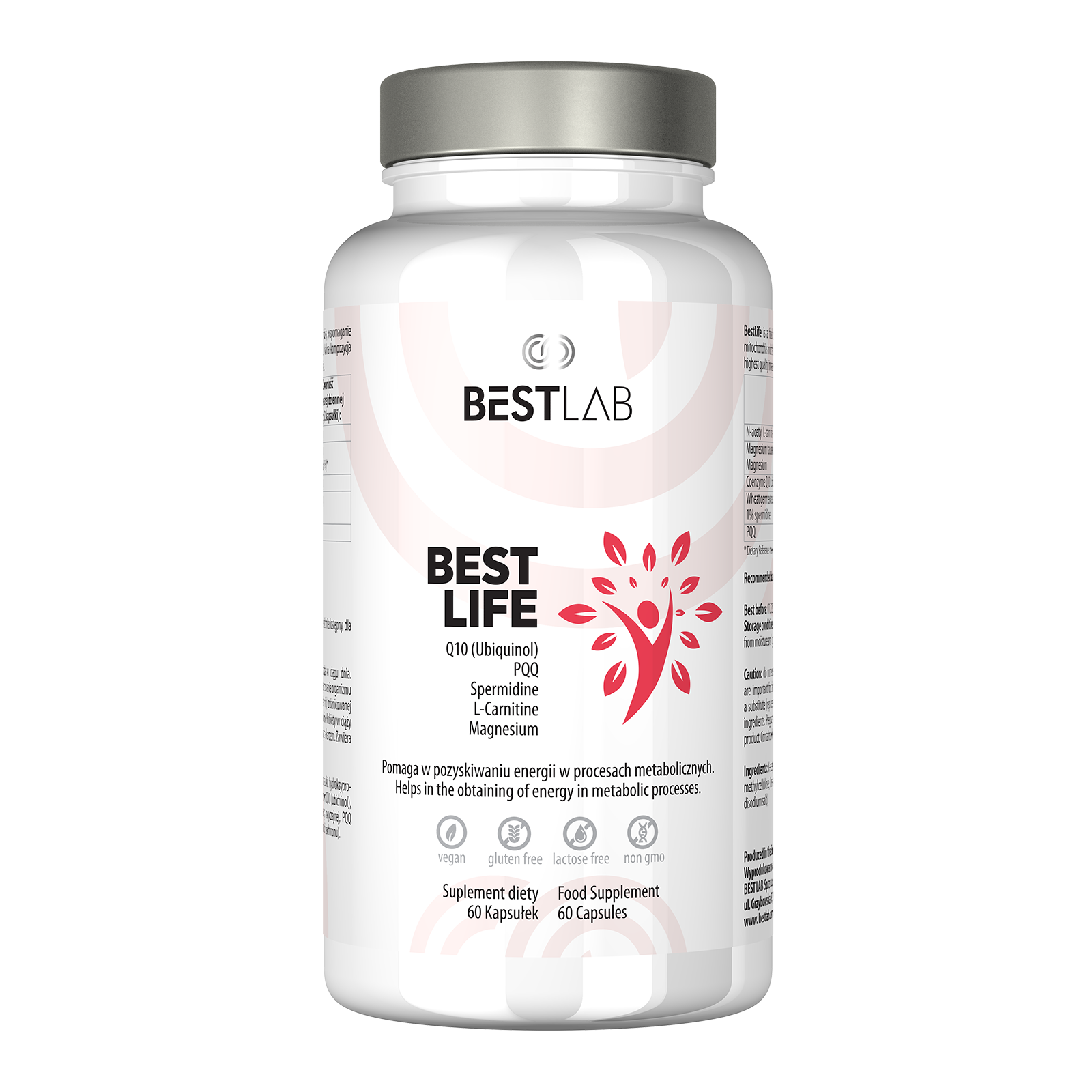
BestLife
£43.8
View Product →