
Vegan and vegetarian diets are enjoying increasing popularity. Introduced into the diet by both young and older people, they are based on both health benefits and empathy towards animals.
Contents
- Are supplements necessary on a plant-based diet?
- Recommended supplements for vegans: vitamin B12
- What is the best vitamin B12 supplement for vegans?
- What else? Other supplements for vegetarians
- Iron supplementation on a vegan diet
- How to replenish protein on a vegan diet?
- Most important sources of plant protein
- Choose the best supplements for vegans
They have many advantages, including reducing the risk of cardiovascular diseases, cancers, and improving digestive processes. However, the reduction or complete elimination of meat does not come without negative consequences for the body.
The best supplements for vegans will be a way to replenish essential nutrients: vitamin B12, omega-3 vitamin D, protein, and iron. When and in what doses should they be taken? Which supplements are worth reaching for on a plant-based diet? We explain.
Are supplements necessary on a plant-based diet?
Reducing or completely giving up meat and animal products brings numerous health benefits. This aspect is the main reason why many people decide to adopt a plant-based diet. Indeed, adults show a reduced incidence of diabetes, cardiovascular diseases, hypertension, or overweight, and even (probably) a lower risk of developing cancer.
Nevertheless, in many situations, it is necessary to use supplements on a plant-based diet. Such a way of eating is not able to provide us with all nutrients. This is because it excludes certain product groups. Moreover, vegetarian diets are often simply improperly composed and do not take into account the necessity of supplementing deficiencies.
Recommended supplements for vegans: vitamin B12
are the first type of the best supplements for vegans. In this case, vitamin B12, one of the most important B vitamins, takes the lead. This is a chemical compound also known as cyanocobalamin and cobalamin. As a supplement for vegans, vitamin B12 is a mandatory item, as it occurs exclusively in animal-derived foods: meat, milk, fish, eggs. Contrary to common myths, fermented products, yeasts, and seaweeds contain only inactive forms of this ingredient. Therefore, vitamin B12 supplementation for vegans is essential for proper functioning.
Moreover, this applies not only to vegan diets but also to lacto-ovo-vegetarian diets. According to scientific research results, significant deficiencies of this ingredient are also found in a large proportion of vegetarians. Although the intake of vitamin B12 may be sufficient in vegetarians consuming large amounts of animal products, it is worth checking this by performing appropriate laboratory tests.
Vitamin B12 in the body:
- lowers blood cholesterol levels
- determines the proper functioning of the nervous system,
- participates in the formation of erythrocytes and supports their regeneration,
- improves cognitive functions (helps, among other things, in reducing the negative effects of stress, improves attention and concentration, participates in the synthesis of neurotransmitters).
from Best Labs contain, among others, valuable B vitamins, including vitamin B12, and are adapted to the needs of vegans.
What is the best vitamin B12 supplement for vegans?
Vitamin B12 deficiency can lead to anemia and serious neurological problems, including damage to the nervous system. Its supplementation is particularly recommended for vegetarian women during reproductive age, pregnancy, breastfeeding, and also for children. Symptoms of this nutrient’s deficiency include:
- apathy, drowsiness, chronic fatigue,
- increased fatigue during exertion,
- worsened sleep quality,
- mood swings,
- recurrent shortness of breath.
Vitamin B12 itself in supplements for vegetarians most often occurs in the form of cyanocobalamin. This is the most optimal form of this ingredient, which allows for clear recommendations regarding dosage levels. Of course, how and in what quantities to take a particular ingredient can be found on the packaging of the specific product. Always follow the manufacturer’s recommendations (unless a doctor advises otherwise).
The norm for vitamin B12 in an adult is 2.4 micrograms per day. However, the supplementation dose for a plant-based diet and in cases of deficiencies must be many times higher. Moreover, its average daily value will depend on how often we take the supplement.
What else? Other supplements for vegetarians
Recommended supplements for a plant-based diet also include vitamin D3, which should be supplemented not only by vegans and vegetarians. In fact, everyone should supplement with vitamin D, regardless of their diet. The need for this ingredient depends on sun exposure (season, latitude), age, body weight, and how often we are in the sun.
Omega-3 fatty acids, which are essential unsaturated fatty acids, can also be useful. The human body does not synthesize them, so they must be supplied externally. Their main food source is fish. Smaller amounts are also found in walnuts, flaxseed, and green leafy vegetables. Although there are no official guidelines for omega-3 supplementation on a plant-based diet, using these types of preparations at a dose of approximately 250 mg DHA and EPA per day will be equivalent to eating fish twice a week.
Iron supplementation on a vegan diet
are the second category of preparations listed among the best supplements for vegans. Iron is very often discussed in this regard. Indeed, on a vegan diet, iron supplementation can be necessary – especially when it is lacking in our daily menu. Iron plays an important role in anemia prevention. It also supports the proper functioning of the immune system, is responsible for energy metabolism, regulates the nervous system, and helps in the production of erythrocytes and hemoglobin.
When should iron supplementation be considered on a vegan diet? Deficiencies of this ingredient can be recognized by the appearance of symptoms of anemia. These are usually chronic fatigue, mood swings, apathy, and increased fatigue during physical exertion.
Other mineral ingredients whose deficiencies occur with a plant-based diet include:
- Zinc – regulates the work of internal organs, supports the immune system, has a beneficial effect on the appearance of skin, hair, and nails. It is found in legumes, nuts, and whole-grain products, but its bioavailability may be lower than from animal-derived foods.
- Iodine – participates in the regulation of the circulatory system, nervous system, affects the condition of skin, hair, and nails. Its deficiency often manifests as, for example, dry mucous membranes and skin, drowsiness, feeling cold, and unjustified weight gain. The primary source of iodine in the diet is fish and seafood.
- Calcium – for vegans, it may be necessary in supplement form as a substitute for dairy products. Calcium deficiencies in the body can lead to a decrease in bone mineral density, increasing the risk of fractures and osteoporosis.
How to replenish protein on a vegan diet?
Another important issue is how to replenish protein on a vegan diet. Not without reason is this component associated with meat, eggs, and dairy products. These are its main sources, though not the only ones. Contrary to popular opinion, animal protein, unlike vitamin B12 or iron, can be easily replaced by plant-based equivalents.
It is worth remembering that protein does not only act as a building block. It is responsible for many functions in the body. Furthermore, its absorbability depends not only on the ingredients themselves in the daily menu but also on the form in which we process protein (cooking method). Foods should not be fried at high temperatures, as they lose vitamins, minerals, and protein. If you want to ensure proper amino acid absorption, consume boiled, stewed, or steamed dishes.
Most important sources of plant protein
Replenishing protein on a vegan diet is important for many reasons. Firstly, it participates in creating the structure of tissues such as hair, skin, muscles, and nails. Secondly, it regulates numerous physiological processes, including hormonal and digestive ones. It participates in hemoglobin transport and supports the immune system. For a plant-based diet, it is important to include products from various groups, including grains, nuts and seeds, legumes, fruits, and vegetables. The recommended daily protein intake for vegans and vegetarians is 0.9 g per kilogram of body weight for women and men over 19 years of age. For children, the requirements will vary depending on age.
Sources of protein in vegan and vegetarian diets primarily include:
- legumes such as lentils, beans, chickpeas,
- millet groats,
- tofu, tempeh,
- potatoes,
- broccoli,
- whole wheat flour,
- figs,
- brown rice,
- bulgur groats,
- wheat and oat bran,
- quinoa,
- amaranth,
- seeds,
- plant seeds.
Choose the best supplements for vegans
In Best Lab’s offer, you will find many products that can be used as supplementary supplementation for vegans. , fatigue supplements, vitamin preparations, including B vitamins – all contain the highest quality active ingredients of plant origin. They are created under the supervision of experienced experts in healthy eating and effective supplementation. Every preparation from Best Lab’s offer features certified, standardized raw materials and always a clean composition.
Sources:
- Zboch M., Gwizdak-Siwkowska B., Serafin J., Śmigórski K., Tyfel P., Leszek J., Vitamin B12 deficiency as a factor in the development of the dementing process, Medycyna Rodzinna 2010, 1: pp. 14-19.
- Desmond M., Supplementation in vegetarian and vegan diets – practical tips: https://www.mp.pl/pacjent/dieta/zasady/220226,suplementacja-w-dietach-wegetarianskich-i-weganskich-praktyczne-wskazowki
- Zalewska B., The role of calcium and vitamin D in maintaining proper bone mass, Nowa Medycyna 2004, 3.
- Hozyasz K., Content and bioavailability of vitamins and trace elements in vegetarian diets, Medycyna Rodzinna 2001, 1: pp. 8-13.
- Desmond M., Protein in vegetarian and vegan diets – practical tips: https://www.mp.pl/pacjent/dieta/zasady/213938,bialko-w-diecie-wegetarianskiej-i-weganskiej-praktyczne-wskazowki
- https://www.mp.pl/pacjent/dieta/zasady/220226,suplementacja-w-dietach-wegetarianskich-i-weganskich-praktyczne-wskazowki
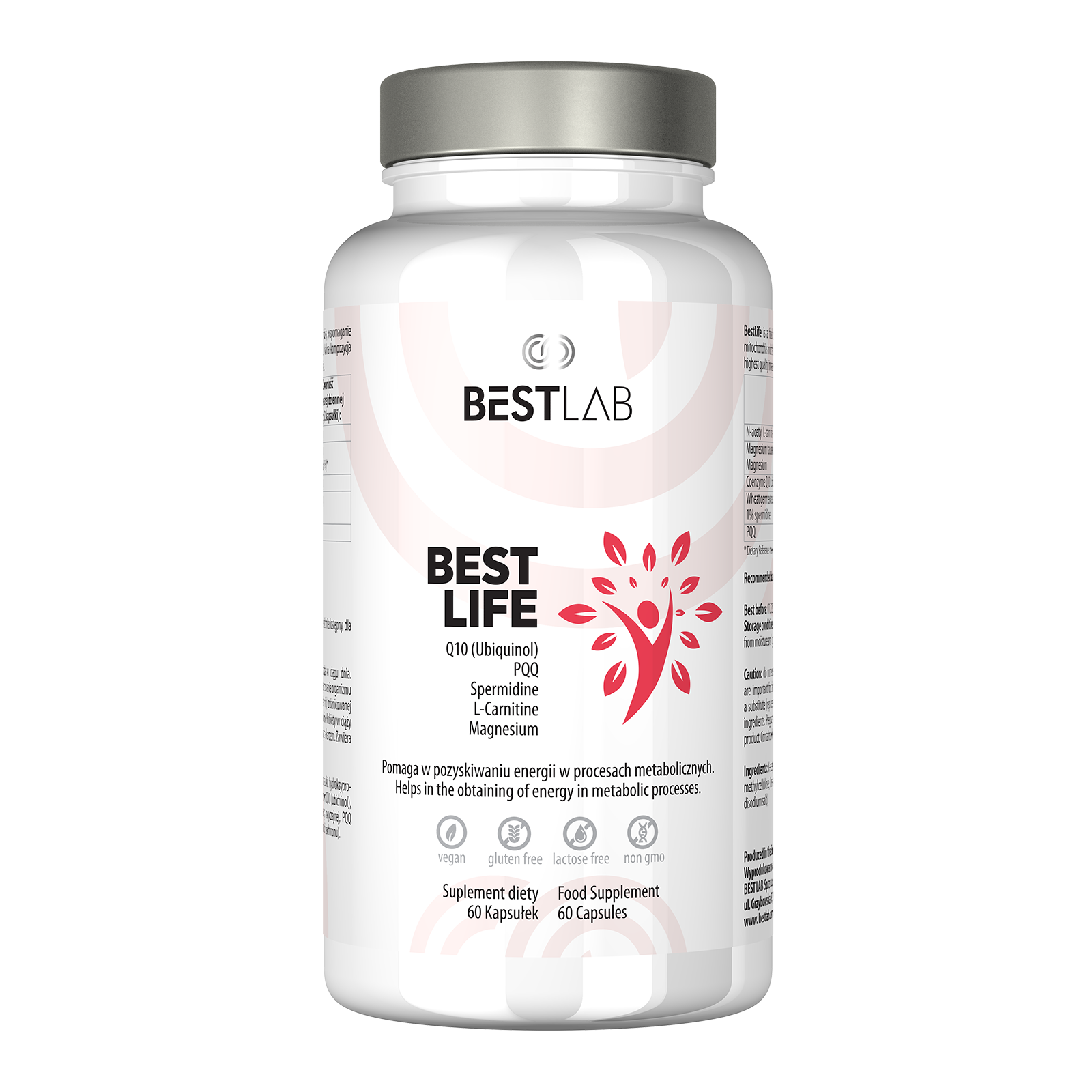
BestLife
£43.8
View Product →