
Hydrolyzed collagen is a form of collagen that has undergone the process of hydrolysis, which breaks down long protein chains into smaller fragments called collagen peptides. Thanks to this process, hydrolyzed collagen is characterized by increased collagen bioavailability, which means that the body absorbs it more easily and utilizes it more effectively for tissue regeneration. Unlike natural collagen, whose large molecules are difficult to digest, collagen peptides from hydrolyzed collagen are smaller and more water-soluble, which facilitates their absorption by the digestive system.
Contents
- How does hydrolyzed collagen differ from natural collagen?
- Why does collagen hydrolysate have good absorption?
- How does collagen work in peptide form?
- What effects does regular collagen use bring?
- Scientific studies confirming effectiveness
- Collagen in powder, capsules or liquid – what to choose?
- FAQ
- What is hydrolyzed collagen?
- What are the benefits of using hydrolyzed collagen?
- What is the best form to take hydrolyzed collagen?
- Is hydrolyzed collagen safe?
- How long does it take to see effects from using hydrolyzed collagen?
- Is hydrolyzed collagen suitable for vegans?
- Can hydrolyzed collagen be combined with other supplements?
Hydrolyzed collagen is gaining popularity due to its properties. Discover what makes it more effective than other forms of collagen, and why it’s worth incorporating into your daily diet.
In this article, you will learn:
- What hydrolyzed collagen is and what effects it has on the body.
- Why the hydrolysis process increases collagen bioavailability.
- What are the differences between hydrolyzed collagen and natural collagen.
- How collagen peptides support skin regeneration.
- How regular collagen supplementation affects joint and hair health.
- Why hydrolyzed collagen is more effective than other forms of collagen.
- What are the results of the latest scientific research on collagen.
- What forms of collagen can be used: powder, capsules, or liquid.
How does hydrolyzed collagen differ from natural collagen?
Hydrolyzed collagen is a form of collagen that has undergone the process of hydrolysis, which breaks down long protein chains into smaller fragments called collagen peptides. Thanks to this process, hydrolyzed collagen is characterized by increased collagen bioavailability, which means that the body absorbs it more easily and utilizes it more effectively for tissue regeneration. Unlike natural collagen, whose large molecules are difficult to digest, collagen peptides from hydrolyzed collagen are smaller and more water-soluble, which facilitates their absorption by the digestive system.
The hydrolysis process not only increases collagen bioavailability but also affects its functionality in the body. Collagen peptides formed as a result of hydrolysis can stimulate cells to produce their own collagen, which contributes to improved skin elasticity, strengthened joints, and overall connective tissue condition. As a result, hydrolyzed collagen is more effective in supplementation than its natural form, offering better support for health and beauty.
Why does collagen hydrolysate have good absorption?
Hydrolyzed collagen stands out due to its high collagen bioavailability, which means that the body effectively absorbs it. The hydrolysis process breaks down long collagen chains into smaller collagen peptides, which are more easily absorbed by the digestive system. Thanks to this, hydrolyzed collagen reaches tissues faster, supporting their regeneration and function.
Collagen peptides, formed as a result of hydrolysis, are characterized by a smaller molecular weight, which facilitates their penetration through the intestinal walls into the bloodstream. This increases collagen bioavailability, enabling the body to utilize it more effectively in the processes of rebuilding skin, joints, and other connective tissues. Regular consumption of hydrolyzed collagen can contribute to improved skin elasticity and strengthening of hair and nail structure.
How does collagen work in peptide form?
Hydrolyzed collagen, containing collagen peptides, plays a key role in the regeneration and maintenance of skin structure and connective tissue. After ingestion, collagen peptides are rapidly absorbed into the bloodstream, which increases collagen bioavailability. They then reach fibroblasts, which are cells responsible for collagen production in the body. They stimulate fibroblasts to synthesize new collagen, which contributes to improved skin elasticity and strengthened connective tissue.
Thanks to increased collagen bioavailability, collagen peptides support repair processes in the skin, reducing the visibility of wrinkles and improving its hydration. In connective tissue, collagen peptides help rebuild collagen fibers, which strengthens joints and tendons. Regular consumption of hydrolyzed collagen can therefore contribute to maintaining skin health and musculoskeletal system efficiency.
What effects does regular collagen use bring?
Regular use of hydrolyzed collagen brings numerous benefits for the health of skin, joints, and hair. Thanks to high collagen bioavailability, collagen peptides are effectively absorbed by the body, which supports the regeneration and maintenance of the structure of these tissues. For the skin, hydrolyzed collagen increases its elasticity and firmness, reducing the visibility of wrinkles and improving hydration.
In the context of joints, regular supplementation with hydrolyzed collagen can contribute to pain reduction and improved joint function. Collagen peptides also support hair health, strengthening their structure and preventing brittleness. Thanks to these properties, hydrolyzed collagen is a valuable dietary component supporting the overall condition of the body.
Scientific studies confirming effectiveness
The effectiveness of collagen supplementation has been confirmed in many scientific studies that have shown its positive impact on skin, joints, and overall body condition. One of the most frequently cited is the study by Proksch E. et al. (2014), “Oral intake of specific bioactive collagen peptides reduces skin wrinkles and increases dermal matrix synthesis,” published in Skin Pharmacology and Physiology. It showed that daily intake of 2.5 g of collagen peptides for 8 weeks significantly reduces wrinkle depth and improves skin elasticity. Similar results were found in the study by Borumand M. and Sibilla S. (2014), “Daily consumption of the collagen supplement Pure Gold Collagen® reduces visible signs of aging” from Clinical Interventions in Aging, where participants observed improved skin hydration and wrinkle reduction after 60 days of supplementation. In turn, the study by Zdzieblik D., Oesser S., and König D. (2015), “Collagen peptide supplementation in combination with resistance training improves body composition and increases muscle strength in elderly men,” published in the British Journal of Nutrition, confirmed that collagen supplementation supports muscle regeneration and increases strength in older adults. These results unequivocally indicate that regular intake of hydrolyzed collagen brings real, clinically confirmed benefits for skin, muscle, and joint health.
Collagen in powder, capsules or liquid – what to choose?
When choosing the right form of collagen, it’s worth considering both effectiveness and convenience of use. Collagen in powder is the most frequently chosen form, as it allows for a larger dose of collagen peptides and easy addition to water, juice, or a smoothie. This enables the body to more quickly utilize the amino acids needed for skin, joint, and muscle regeneration. Collagen in capsules is suitable for those who value simplicity and precise dosing, although it usually contains smaller amounts of active substance. In contrast, liquid collagen is convenient to use and well-absorbed, but often has a lower concentration of collagen and a shorter shelf life after opening. Regardless of the form, it is worth choosing supplements containing highly bioavailable hydrolyzed fish collagen and additives supporting its synthesis, such as vitamin C, MSM, or vitamin E. Regular use of such a preparation effectively supports tissue regeneration and maintains the healthy appearance of skin and joints.
FAQ
Hydrolyzed collagen is a collagen protein that has undergone the hydrolysis process, in which long collagen chains are broken down into smaller peptides. Thanks to this process, collagen becomes more bioavailable, meaning the body absorbs and utilizes it more easily.
Regular use of hydrolyzed collagen can contribute to improved skin elasticity, wrinkle reduction, strengthened joints, and improved condition of hair and nails. Collagen peptides support the regeneration of connective tissues, which positively affects overall health.
Hydrolyzed collagen is available in powder, capsule, and liquid forms. The choice of form depends on individual preferences. Powder can be easily added to drinks, capsules are convenient to use, and liquid is ready for consumption without additional preparation.
Yes, hydrolyzed collagen is considered a safe dietary supplement. However, it is important to use it according to the manufacturer’s recommendations and not exceed the recommended daily dose.
The effects of using hydrolyzed collagen may be noticeable after several weeks of regular supplementation. It is recommended to use it for at least 6-12 weeks to achieve optimal results.
Most hydrolyzed collagens come from animal sources, such as fish or cattle, so they are not suitable for vegans. However, there are plant-based alternatives that support collagen production in the body.
Yes, hydrolyzed collagen can be combined with other supplements, such as vitamin C, which supports collagen synthesis in the body. However, it is important to consult a doctor before starting supplementation.
Proksch, E., Schunck, M., Zague, V., Segger, D., Degwert, J., & Oesser, S. (2014). Oral intake of specific bioactive collagen peptides reduces skin wrinkles and increases dermal matrix synthesis. Skin Pharmacology and Physiology, 27(3), 113-119.
Borumand, M., & Sibilla, S. (2014). Daily consumption of the collagen supplement Pure Gold Collagen® reduces visible signs of aging. Clinical Interventions in Aging, 9, 1747-1758.
Zdzieblik, D., Oesser, S., & König, D. (2015). Collagen peptide supplementation in combination with resistance training improves body composition and increases muscle strength in elderly men. British Journal of Nutrition, 114(8), 1237-1245.
Watanabe-Kamiyama, M., Shimizu, M., Kamiyama, S., Taguchi, Y., Sone, H., Morimatsu, F., et al. (2010). Absorption and effectiveness of orally administered low-molecular-weight collagen hydrolysate in rats and humans. Journal of Agricultural and Food Chemistry, 58(2), 835-841.
Ohara, H., Matsumoto, H., Ito, K., Iwai, K., & Sato, K. (2007). Comparison of quantity and structures of hydroxyproline-containing peptides in human blood after oral ingestion of gelatin hydrolysates from different sources. Journal of Agricultural and Food Chemistry, 55(4), 1532-1535.
Nomura, Y., Oohashi, K., & Watanabe, M. (2018). Effects of fish collagen peptide ingestion on skin properties and improvement of facial moisture and elasticity. Food & Function, 9(12), 7371-7378.
Liang, J., Pei, X., Zhang, Z., Wang, N., Wang, J., Li, Y., & Guo, T. (2010). The effect of marine collagen peptides on skin aging in an animal model. Marine Drugs, 8(9), 2737-2749.
Zague, V. (2008). A new view concerning the effects of collagen hydrolysate intake on skin properties. Archives of Dermatological Research, 300(9), 479-483.
Sibilla, S., Godfrey, M., Brewer, S., Budh-Raja, A., & Genovese, L. (2015). An overview of the beneficial effects of hydrolyzed collagen on skin properties: Evidence from clinical trials. Journal of Cosmetic Dermatology, 14(4), 291-299.
León-López, A., Morales-Peñaloza, A., Martínez-Juárez, V. M., Vargas-Torres, A., Zeugolis, D. I., & Aguirre-Álvarez, G. (2019). Hydrolyzed collagen-Sources and applications. Molecules, 24(22), 4031.
Check also
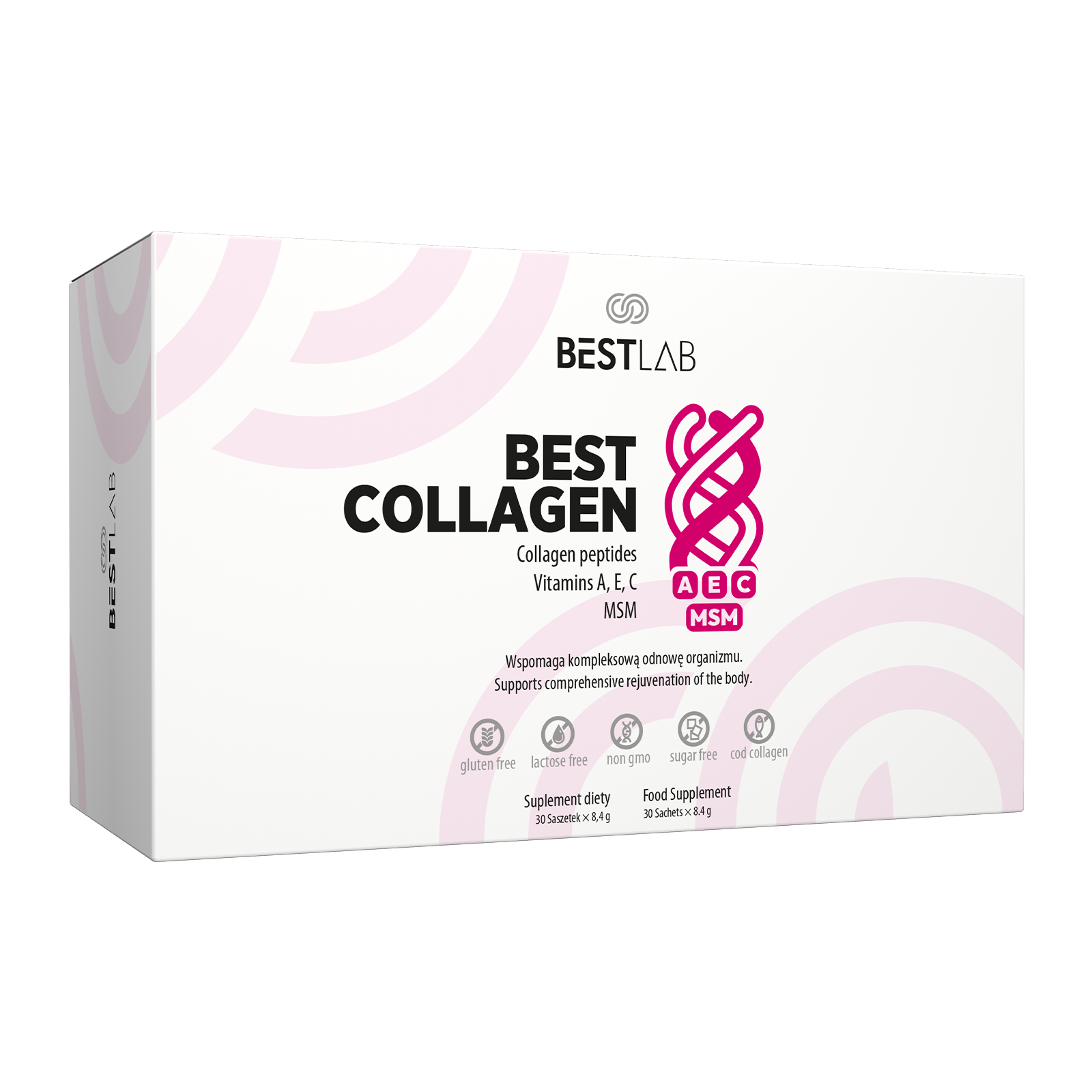
BestCollagen
£53.8
View Product →