
The kidneys are an organ whose role in the body cannot be overstated. Every day they filter blood, remove waste products of metabolism, regulate water-electrolyte balance, blood pressure, and participate in the synthesis of important hormones. A modern lifestyle, a diet rich in salt, stress, and the use of certain medications can negatively affect kidney function. It is therefore worth taking care of their proper functioning by adopting an appropriate diet and supplementation. In this article, you will find information on how kidneys work properly, how to wisely choose dietary supplements to support kidney function, what ingredients are particularly important, and what to pay attention to so as not to harm these extremely important organs.
Contents
- The role of kidneys in the body – why are they so important and how do they work?
- Factors affecting kidney function
- Supplementation and kidney function – basic principles
- Minerals supporting kidney function
- Vitamins and kidney function
- Herbs and natural extracts supporting kidney function
- Adaptogens and kidney function
- Probiotics and kidney function
- Supplementation – what to watch out for?
- UroBest – a supplement supporting kidney function
- Diet supporting kidney function
- Summary: how to keep kidneys in good condition?
The role of kidneys in the body – why are they so important and how do they work?
Kidneys are primarily the body’s ‘filter’. They are built from millions of microscopic units called nephrons, where the process of blood filtration takes place. Each nephron consists of a renal corpuscle (glomerulus) and a renal tubule.
The process begins in the renal corpuscle, where, under pressure, blood is filtered through the thin walls of the vessels into Bowman’s capsule. This forms the so-called primary filtrate, which contains water, ions, glucose, amino acids, and metabolic waste products (e.g., urea). Larger elements, such as proteins or blood cells, remain in the blood vessels.
The filtrate then flows through the system of renal tubules. Within them, selective reabsorption occurs – the body recovers substances it needs, such as glucose, amino acids, and some ions and water. Conversely, unnecessary or harmful compounds (e.g., urea, creatinine, excess ions) are excreted from the body in the form of urine.
Other functions of the kidneys:
- maintain the body’s water-electrolyte balance,
- regulate blood pressure by secreting renin and controlling fluid volume,
- produce erythropoietin, a hormone that stimulates the production of red blood cells in the bone marrow,
- activate vitamin D into its biologically active form, which affects calcium-phosphate metabolism,
- remove toxins, waste products of metabolism, and excess water from the body,
- maintain acid-base balance by regulating blood pH.
Approximately 180 liters of blood flow through the kidneys every day, producing about 1.5 liters of urine. Their proper functioning is therefore truly important for maintaining the proper functioning of the body.
Factors affecting kidney function
Many lifestyle and environmental factors affect kidney health. A diet rich in salt, excessive protein, dehydration, abuse of painkillers, or chronic stress can lead to an overload of these organs. On the other hand, ensuring adequate hydration, i.e., drinking about 30-35 ml of water per kilogram of body weight daily, helps the kidneys filter blood properly and prevents the formation of kidney stones. The Mediterranean diet, rich in vegetables, olive oil, and omega-3 fatty acids, protects the kidneys by reducing damage caused by oxidative stress. Magnesium supplementation (200-400 mg per day) can support the work of renal tubules, and Ginkgo biloba extracts help improve blood circulation in the kidneys. A balanced diet and proper supplementation can support kidney function and protect against adverse effects of civilization.
Supplementation and kidney function – basic principles
When choosing dietary supplements to support kidney function, several key principles should be remembered. First and foremost, supplements cannot replace a healthy diet and lifestyle. Their purpose is to supplement deficiencies and support processes occurring in the body. It is important to use them according to the manufacturer’s recommendations and after consulting a doctor, especially if chronic diseases are present or other medications are being taken.
Some minerals and vitamins can be particularly helpful in maintaining proper kidney function, while others – in excess – can overload them.
Minerals supporting kidney function
Adequate intake of minerals is essential for maintaining electrolyte balance and proper kidney function. The most important include:
- Potassium – regulates water-electrolyte balance, participates in maintaining proper blood pressure, and supports the removal of metabolic waste products. Potassium deficiency can lead to kidney dysfunction, while its excess, especially in people with kidney failure, is dangerous.
- Magnesium – participates in numerous metabolic processes, supports kidney cleansing processes, and can prevent the formation of kidney stones. Magnesium also participates in blood pressure regulation.
- Calcium – is essential for nerve conduction and blood pressure regulation, but its excess can promote the formation of kidney stones. Calcium supplementation should always be tailored to the individual needs of the body.
- Zinc – participates in detoxification processes and supports the proper functioning of the urinary system.
- Selenium – acts as an antioxidant, protecting kidney cells from oxidative stress.
- It is worth emphasizing that minerals such as zinc, magnesium, and potassium are essential in the human diet and should not be confused with minerals in the geological sense – the latter occur in nature, e.g., in rocks or by the sea, while minerals are important for the body’s life processes.
Vitamins and kidney function
Vitamins also play an important role in maintaining proper kidney function. Particularly important are:
- Vitamin C – is a powerful antioxidant, supports the protection of kidney cells from oxidative damage, and helps maintain acid-base balance. Its adequate intake can reduce the risk of kidney stone formation.
- Vitamin D – is activated in the kidneys and essential for maintaining proper calcium-phosphate metabolism and blood pressure regulation. Vitamin D deficiency can lead to kidney dysfunction, but its excess is dangerous and can cause calcium deposition in the kidneys.
- Vitamin B6 – participates in the production of enzymes necessary for kidney detoxification, supports the dissolution of kidney stones, and the proper functioning of the urinary system.
- B vitamins (B1, B2, B12, folic acid) – participate in metabolic processes, support energy production, and detoxification functions of the body.
Herbs and natural extracts supporting kidney function
Many dietary supplements are based on natural plant extracts that have been used for centuries to support kidney and urinary system functions. The most commonly used include:
- Goldenrod (Solidago virgaurea) – exhibits antioxidant properties, supports natural cleansing processes of the body, and kidney functions.
- Warty Birch (Betula pendula) – its extracts support detoxification and urinary system functions, helping to remove toxins.
- Horsetail (Equisetum arvense) – rich in silica, supports tissue regeneration, as well as kidney cleansing functions.
- Lovage (Levisticum officinale) – acts as a diuretic, which can help prevent the formation of kidney stones and supports the functioning of the bile ducts.
- Chanca piedra (Phyllanthus niruri) – traditionally used to support the removal of kidney stones and enhance the body’s cleansing functions.
- Cranberry – known for its properties supporting urinary tract function, can prevent urinary tract infections.
- D-mannose – a natural sugar that helps cleanse the urinary tract of bacteria, especially recommended for recurrent infections.
- Nettle – acts as a diuretic, supports toxin removal, and enhances the body’s cleansing functions.
Adaptogens and kidney function
Adaptogens are a group of plants that help the body adapt to stress and support its proper physiological functions. Although their main action is associated with the nervous and immune systems, adaptogens can also indirectly support kidney function. By reducing stress and supporting homeostasis, adaptogens such as ashwagandha or ginseng can favorably affect the overall condition of the body, including cleansing and detoxification functions.
Probiotics and kidney function
Increasing research indicates a link between gut microbiota and kidney function. Some strains of probiotic bacteria, such as Lactobacillus acidophilus, can help lower blood urea nitrogen levels and alleviate inflammation associated with kidney failure. Probiotic supplementation can therefore support the body’s detoxification and affect the proper functioning of the urinary system.
Supplementation – what to watch out for?
Although dietary supplements can be valuable support for kidney function, their improper use can do more harm than good. Particular caution should be exercised with calcium and protein supplementation – their excess can lead to the formation of kidney stones or kidney overload. People with chronic kidney diseases should always consult a doctor about supplementation.
It is also worth paying attention to the quality of supplements – products from reputable manufacturers with appropriate certificates guarantee safety and effectiveness. Supplements should be used according to recommendations, without exceeding recommended doses.
UroBest – a supplement supporting kidney function
Various preparations containing herbal extracts, vitamins, and minerals are available on the market that can support proper kidney function. Among the ingredients worth looking for in dietary supplements are:
- extracts of goldenrod, birch, horsetail, lovage, chanca piedra,
- vitamin C, vitamin B6, vitamin D,
- potassium, magnesium, zinc, selenium,
- cranberry, D-mannose, nettle.
Preparations such as UroBest combine several of these ingredients in one formula, allowing for comprehensive support of the body’s cleansing processes and maintenance of proper kidney function.
Diet supporting kidney function
It should be remembered that dietary supplements cannot replace a healthy lifestyle. The basis for supporting proper kidney function is a well-balanced diet, rich in vegetables (such as spinach, carrots, beets), fruits (e.g., apples, berries, avocados), nuts, and seeds. It is also important to maintain proper hydration, limit salt and excess protein intake, and engage in regular physical activity. Such an approach allows for optimal utilization of the kidneys’ potential in the body’s daily functioning.
Summary: how to keep kidneys in good condition?
The kidneys are an organ worth taking care of every day. Appropriately selected dietary supplements can support their cleansing functions, regulation of water-electrolyte balance, and protection against oxidative stress. Key ingredients include potassium, magnesium, zinc, vitamin C, vitamin D, vitamin B6, and herbal extracts such as goldenrod, birch, horsetail, lovage, chanca piedra, or cranberry. Supplementation should always be tailored to individual needs and carried out consciously, remembering to consult a doctor in case of chronic diseases.
Supporting kidney function is an investment in well-being and daily energy. An appropriate diet, hydration, physical activity, and thoughtful supplementation are key to keeping kidneys in good condition for many years.
Sources:
- Kimmel, Paul L. The Body’s Keepers: A Social History of Kidney Failure and Its Treatments.
Rochester, MN: Mayo Clinic Press, 2024. - Zhang, Jeff L., Henry Rusinek, Hersh Chandarana, and Vivian S. Lee.
“Journal ofMagnetic Resonance Imaging.” 2012. - Kee, Terence Yi Shern, Jason Chon Jun Choo, Keng Thye Woo, Chieh Suai Tan. The Kidney Book: A Practical Guide on Renal Medicine. Singapore: World Scientific, 2023
- Hunt, Walter A., Thriving with Kidney Disease. Baltimore: Johns Hopkins University Press, 2019.
- Brenner, Barry M., and Rector, Floyd C., Brenner and Rector’s The Kidney. 11th Edition., Philadelphia: Elsevier, 2019.
Check our offer
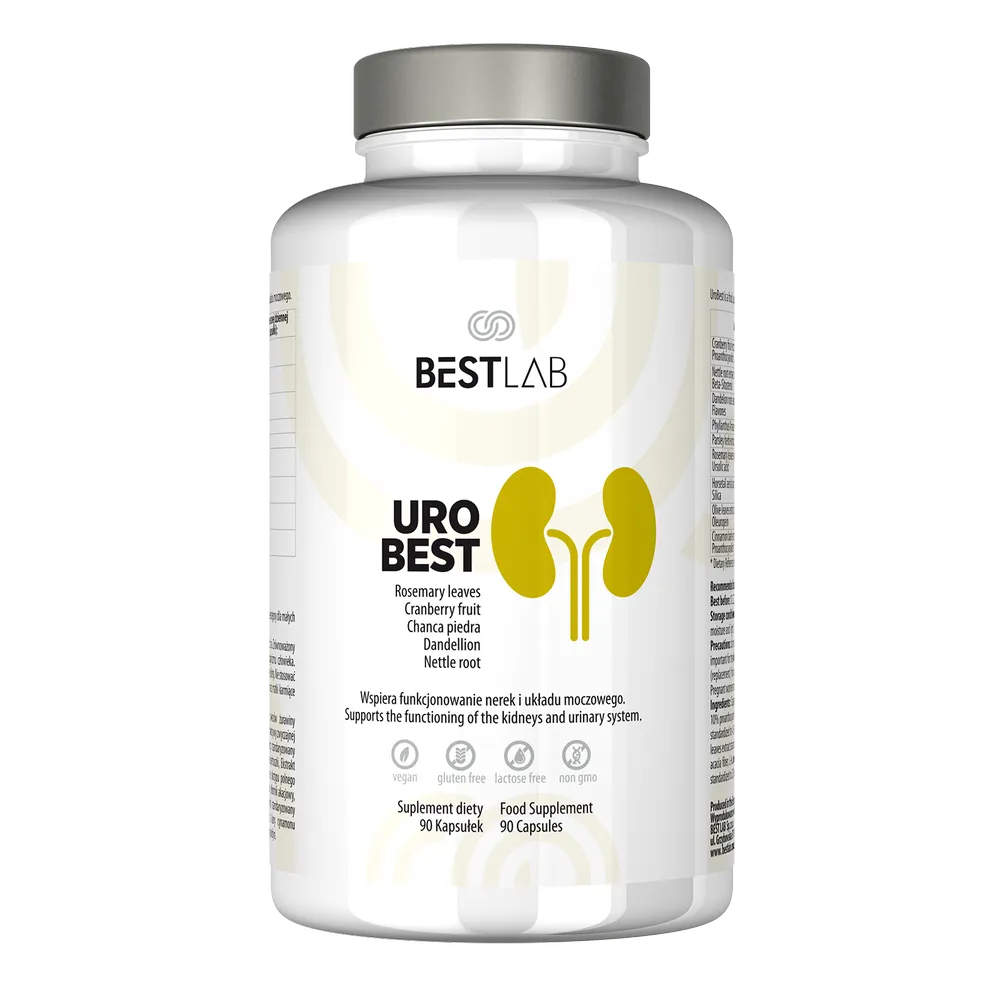
UroBest – Kidney & Urinary Tract Support
£32
View Product →