
Drinking collagen, or hydrolyzed collagen in the form of dietary supplements or beverages, has become one of the most popular dietary supplements in the world of health and beauty. This compound is known not only for its potential to improve skin appearance, but also for its possible influence on anabolic processes in various body tissues and is a key component of connective tissue.
Contents
- What is hydrolyzed collagen and what effect does drinking collagen have on the body?
- Collagen peptides as anabolic signals – what do studies say?
- Why is it worth drinking collagen? Benefits and support of co-acting factors
- Summary
- Frequently Asked Questions – FAQ
- What is the difference between collagen hydrolysate and regular collagen?
- Do collagen hydrolysates support tissue regeneration?
- How do collagen peptides work in the body?
- Does collagen hydrolysate affect muscles?
- How long should collagen hydrolysate be used to notice effects?
Hydrolyzed collagen is a form of protein that, due to being broken down into smaller fragments called collagen peptides, is more easily absorbed by the body than regular collagen. What does science say about the mechanisms whose goal is not only to supply amino acids but also to stimulate anabolic signals for collagen synthesis and tissue regeneration? What is the role of ingredients supporting this synthesis, such as vitamin C or hyaluronic acid?
What is hydrolyzed collagen and what effect does drinking collagen have on the body?
Hydrolyzed collagen is a product formed by the enzymatic hydrolysis of collagen, which breaks down long chains of structural protein into shorter peptides. This form is widely used in dietary supplements, including drinking collagen or powders and capsules, because it has a smaller molecular weight and is therefore better absorbed from the digestive tract and more available to tissues .
In practice, this means that after consuming hydrolyzed collagen, the body does not have to completely break it down into individual amino acids, as some peptides can be absorbed in almost unchanged form and enter the bloodstream, from where they can interact with target cells in the skin, joints, or muscles [1,2].
Thanks to this, drinking collagen provides not only building material but also elements that can perform signaling functions.
Collagen peptides as anabolic signals – what do studies say?
Collagen peptides are short chains of amino acids obtained from collagen hydrolysate. Laboratory studies show that such peptides can influence the expression of genes related to the synthesis of structural tissue proteins, such as type I collagen or elastin, which is one of the components of anabolic processes occurring in collagen fibers in the body. A study on cultured dermal fibroblasts showed an increase in the expression of collagen and elastin genes under the influence of collagen peptides, which suggests the stimulation of mechanisms responsible for maintaining the structure and rebuilding the extracellular matrix .
Similar conclusions also appear in the context of the action of the aforementioned peptides on connective tissues in joints and tendons. Meta-analyses show that supplementation with hydrolyzed collagen peptides can support tissue regeneration, improve joint flexibility and function, and affect their structure .
Although most studies concern the effects of collagen supplementation on skin, joints, or connective tissue in general, data are also emerging regarding the influence of this compound on anabolic signals in skeletal muscles, especially in combination with physical activity. Some research results suggest that specific collagen peptides can activate the mTORC1 pathway (a key regulator of muscle protein synthesis), although this mechanism requires further research, and the effects are less pronounced than in the case of complete proteins, such as whey, for example .
Why is it worth drinking collagen? Benefits and support of co-acting factors
Supplementation with hydrolyzed collagen is associated with several potential benefits. Research suggests that regular consumption of collagen can contribute to:
-
improving skin hydration and elasticity;
-
reducing hair loss;
-
slowing down aging processes;
-
reducing the visibility of wrinkles;
-
supporting joint and connective tissue health;
-
better regeneration of articular cartilage, tissues, and also after injuries or intense training .
The effectiveness of drinking collagen is often supported by ingredients such as vitamin C, which plays a key role in collagen synthesis as a cofactor for enzymes involved in the hydroxylation of proline and lysine amino acids. This is an extremely important process that ensures the stability of collagen fibers .
Furthermore, the presence of hyaluronic acid in collagen supplements can additionally support skin hydration, which is essential for maintaining proper skin condition .
It is worth remembering, however, that collagen supplementation does not replace a healthy diet and physical activity – effects usually appear after several weeks of regular use, and optimal results come from a holistic lifestyle. Before starting collagen supplementation, it is advisable to consult a doctor.
Summary
Hydrolyzed collagen, present in marine collagen or other forms of dietary supplements, acts not only as a source of building blocks but also as a supplier of peptides that can support anabolic signals in tissues. Thanks to their bioavailability and easy absorption, collagen peptides have the potential to stimulate fibroblasts to synthesize collagen and other key structural proteins, which translates into healthy skin, joints, and connective tissue. The effectiveness of collagen is most often observed with consistent use and in conjunction with supporting factors like vitamin C and hyaluronic acid.
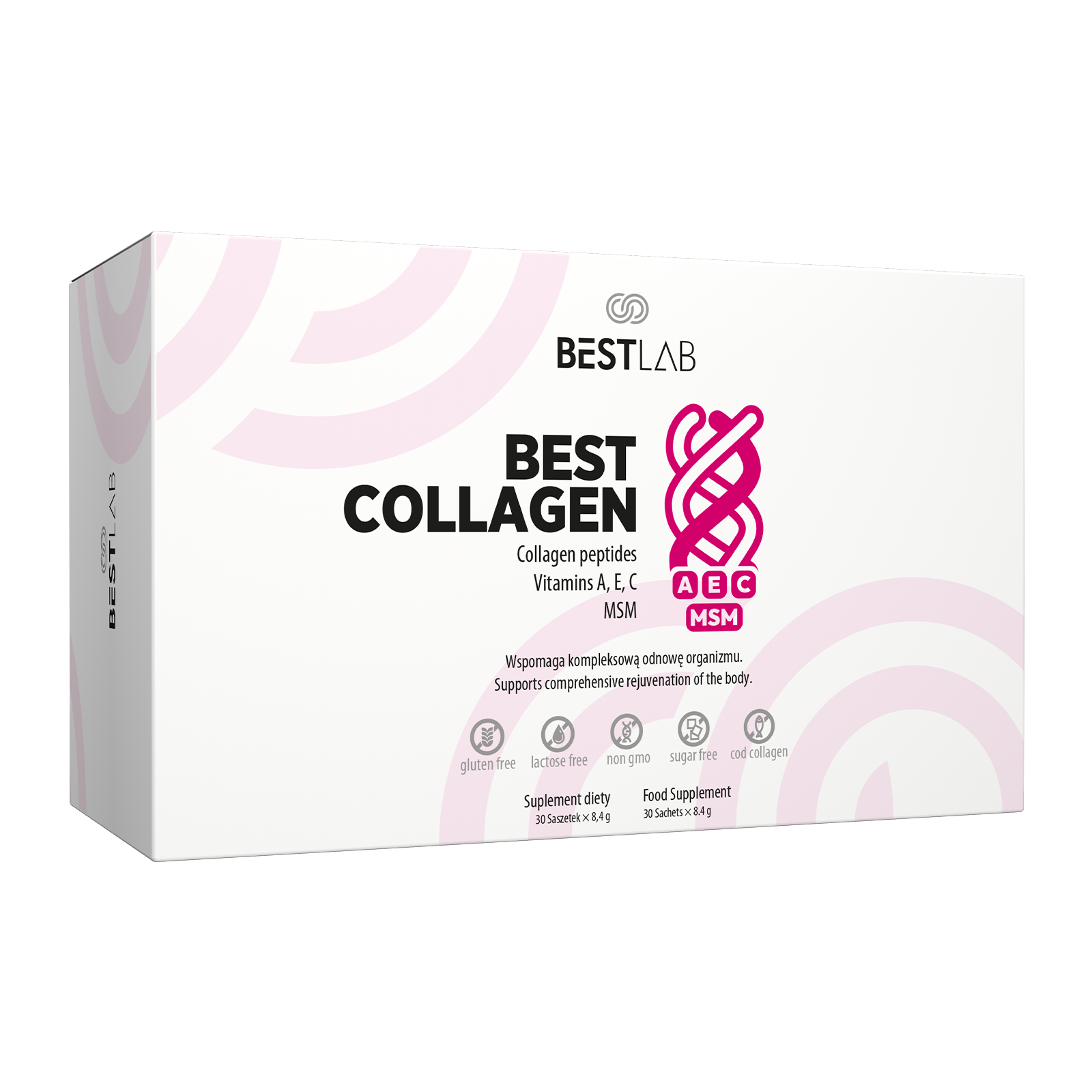
In supplementation practice, a good complement to such an approach can be BestCollagen, which contains collagen peptides from the skins of wild-caught cod and vitamin C supporting proper collagen production. Such a composition fits the theme of supporting skin, connective tissue, and regenerative processes.
Frequently Asked Questions – FAQ
What is the difference between collagen hydrolysate and regular collagen?
Collagen hydrolysate is a form of protein subjected to hydrolysis, meaning it is broken down into smaller peptides that are more easily absorbed by the body, unlike collagen with a high molecular weight.
Do collagen hydrolysates support tissue regeneration?
Studies indicate that supplementation with hydrolyzed collagen peptides can support the regeneration and function of connective tissues, including skin and joints.
How do collagen peptides work in the body?
Collagen peptides provide amino acids and protein fragments that can stimulate fibroblasts and promote collagen synthesis in tissues.
Does collagen hydrolysate affect muscles?
Some studies suggest that hydrolyzed collagen can influence anabolic signals in muscles, but the effects are less spectacular than with complete proteins.
How long should collagen hydrolysate be used to notice effects?
Visible effects of supplementation are usually observed after regular use for several weeks or months, depending on the type of collagen taken, the dosage, and individual predispositions.
BestCollagen
£53.8
View Product →