
Collagen is a key structural protein of the skin, responsible for its elasticity and firmness. It is the main component of connective tissue, forming a network of fibers that give the skin resilience and resistance to damage. With age, collagen production decreases, leading to a loss of firmness and the appearance of wrinkles. Therefore, collagen for the skin is an important element in maintaining its youthful appearance.
Contents
- How does collagen affect skin condition?
- What are the effects of regular collagen supplementation?
- What besides collagen supports youthful skin?
- Vitamin C – key to collagen synthesis
- Hydration and diet vs. skin condition
- Collagen and the aging process
- FAQ
- What is collagen and why is it important for the skin?
- What are the natural sources of collagen in the diet?
- How does vitamin C affect collagen production?
- What factors accelerate collagen degradation in the skin?
- Can collagen supplementation help reduce wrinkles?
- What other dietary ingredients support healthy skin?
- How does hydration affect skin condition?
- Does lifestyle affect collagen levels in the skin?
Collagen is a key ingredient influencing skin elasticity and firmness. Let’s look at how collagen can support the fight against signs of aging and improve skin condition.
From the article, you will learn:
- How collagen supports skin elasticity and firmness.
- About the benefits of regular collagen supplementation.
- How diet affects the skin aging process.
- Why vitamin C is crucial for collagen synthesis.
- About the importance of proper hydration and a healthy lifestyle.
- What other ingredients support youthful skin.
- How collagen influences wrinkle reduction.
How does collagen affect skin condition?
Collagen is a key structural protein of the skin, responsible for its elasticity and firmness. It is the main component of connective tissue, forming a network of fibers that give the skin resilience and resistance to damage. With age, collagen production decreases, leading to a loss of firmness and the appearance of wrinkles. Therefore, collagen for the skin is an important element in maintaining its youthful appearance.
Regular collagen intake supports the regeneration of collagen fibers, improving skin structure. This, in turn, contributes to increased elasticity and firmness. Collagen for the skin also has a moisturizing effect, helping to maintain proper moisture levels, which is crucial for a healthy appearance. As a result, the skin becomes smoother, firmer, and more radiant.
What are the effects of regular collagen supplementation?
Regular collagen supplementation brings numerous benefits for the skin, including wrinkle reduction and improved hydration. Incorporating collagen for wrinkles into your daily diet can lead to:
- Smoothing of fine lines and wrinkles, especially around the eyes.
- Increased skin elasticity, which contributes to its firmness.
- Improved skin hydration, making it softer and more radiant.
- Strengthening of the skin’s protective barrier, which helps in fighting external factors.
- Acceleration of skin regeneration, which is important after sun exposure or minor damage.
It is worth remembering that the effects of collagen supplementation for wrinkles may vary depending on individual body characteristics and lifestyle. Regular use, combined with a proper diet and skincare, can significantly improve skin condition.
What besides collagen supports youthful skin?
In addition to collagen for the skin, a youthful appearance is supported by a proper diet and a healthy lifestyle. Consuming vegetables and fruits rich in antioxidants, such as berries, strawberries, and spinach, neutralizes free radicals, slowing down the aging process. Fatty fish, e.g., salmon and mackerel, provide omega-3 acids, which improve skin elasticity. Vitamins A, C, and E, present in carrots, citrus fruits, and nuts, support skin regeneration and protect against damage.
A healthy lifestyle includes avoiding smoking and excessive alcohol consumption, which accelerate skin aging. Regular physical activity improves circulation, delivering more oxygen and nutrients to the skin. Adequate sleep allows for skin cell regeneration, and stress reduction decreases the risk of inflammation. Incorporating these habits, alongside using collagen for the skin, contributes to maintaining its youthful appearance.
Vitamin C – key to collagen synthesis
Vitamin C plays a key role in collagen synthesis, being an essential cofactor for enzymes responsible for the hydroxylation of proline and lysine. This process stabilizes the triple helix structure of collagen, which translates into skin strength and elasticity. Vitamin C deficiency can lead to weakening of collagen fibers, resulting in loss of firmness and the appearance of wrinkles. Therefore, an adequate supply of this vitamin is important for maintaining healthy skin.
Regular vitamin C intake supports the production of collagen for wrinkles, which contributes to the reduction of fine lines and the improvement of overall skin condition. Additionally, as a powerful antioxidant, vitamin C neutralizes free radicals, protecting the skin from oxidative stress and delaying the aging process. Incorporating vitamin C into your daily diet or skincare routine can significantly improve the appearance of the skin, making it firmer and more radiant.
Hydration and diet vs. skin condition
Proper hydration and a balanced diet play a key role in maintaining healthy skin condition. Water is essential for the proper functioning of skin cells, supporting its hydration, elasticity, and firmness. Regular consumption of an adequate amount of fluids helps in removing toxins from the body, which translates into a healthier complexion. Hydrated skin is less prone to dryness, flaking, and the formation of fine wrinkles. It is recommended to drink at least 2 liters of water daily to maintain optimal body hydration.
A balanced diet provides the skin with essential nutrients that support its regeneration and protection against external factors. Consuming vegetables and fruits rich in antioxidants, such as berries, spinach, and tomatoes, helps neutralize free radicals, delaying the aging process. Fatty fish, nuts, and seeds provide omega-3 unsaturated fatty acids, which improve skin elasticity. Vitamins A, C, and E, present in carrots, citrus fruits, and nuts, support skin regeneration and protect against damage. Incorporating these ingredients into your daily diet, combined with proper hydration, contributes to maintaining healthy and radiant skin.
Collagen and the aging process
Collagen is a key structural protein of the skin, responsible for its firmness and elasticity. With age, the natural production of collagen decreases, leading to a loss of skin elasticity and the appearance of wrinkles. This process is a result of reduced activity of fibroblasts, cells responsible for collagen synthesis. Additionally, external factors such as UV radiation, oxidative stress, or an unhealthy lifestyle accelerate collagen degradation, intensifying the signs of aging.
Regular supplementation of collagen for wrinkles can slow down the skin aging process. Providing the body with appropriate collagen peptides stimulates fibroblasts to increase their own collagen production, which translates into improved skin elasticity and hydration. As a result, wrinkles become less visible, and the skin regains a younger appearance. It is worth remembering that the effectiveness of supplementation depends on the regularity of use and its combination with a proper diet and skin care.
FAQ
Collagen is a structural protein making up about 75% of the dry weight of the dermis. It is responsible for its firmness, elasticity, and hydration, ensuring a youthful appearance.
Natural sources of collagen include protein-rich products such as bone broth, meat jellies, fish with skin, and offal. Consuming these products supports collagen synthesis in the body.
Vitamin C is essential in the process of collagen synthesis because it acts as a cofactor for enzymes responsible for stabilizing its structure. Its adequate supply supports collagen production, which translates into healthy-looking skin.
Factors accelerating collagen degradation include: excessive exposure to UV radiation, smoking, oxidative stress, and an unhealthy diet poor in antioxidants and protein.
Yes, regular collagen supplementation can contribute to wrinkle reduction by increasing skin elasticity and hydration, which improves its overall condition.
In addition to collagen, a healthy skin appearance is supported by antioxidants (e.g., vitamins A, C, E), omega-3 acids, and minerals such as zinc and selenium. Consuming vegetables, fruits, nuts, and fatty fish provides these ingredients.
Proper body hydration is crucial for maintaining skin moisture. Drinking enough water helps maintain its elasticity and firmness, preventing dryness and wrinkle formation.
Yes, a healthy lifestyle, including a balanced diet, regular physical activity, avoiding stimulants and stress, positively influences collagen levels in the skin, supporting its youthful appearance.
Proksch E., Schunck M., Zague V., Segger D., Degwert J., Oesser S. (2014). Oral intake of specific bioactive collagen peptides reduces skin wrinkles and increases dermal matrix synthesis. Skin Pharmacology and Physiology, 27(3), 113-119.
Proksch E., Schunck M., Zague V., Segger D., Degwert J., Oesser S. (2014). Skin physiology and collagen supplementation: Beneficial effects of oral collagen peptide supplementation on skin physiology and cutaneous aging. Skin Pharmacology and Physiology, 27(1), 47-55.
Bölker L., Schlippe G., Gerß J., Voss W. (2019). A collagen supplement improves skin hydration, elasticity, roughness, and density: Results of a randomized, placebo-controlled, blind study. Nutrients, 11(10), 2494.
Choi S. Y., Ko E. J., Lee Y. H., Kim B. G., Shin H. J., Seo D. B., Lee S. J. (2014). Effects of collagen tripeptide supplement on skin properties: A prospective, randomized, controlled study. Journal of Cosmetic and Laser Therapy, 16(3), 132-137.
Inoue N., Sugihara F., Wang X. (2016). Ingestion of bioactive collagen hydrolysates enhances facial skin moisture and elasticity and reduces facial aging signs in healthy women. Journal of the Science of Food and Agriculture, 96(13), 4077-4081.
Czajka A., Kania E. M., Genovese L., Corbo A., Luci C., Sibilla S. (2018). Daily oral supplementation with collagen peptides combined with vitamins and minerals improves skin elasticity and hydration. Journal of Cosmetic Dermatology, 17(4), 639-649.
Choi F. D., Sung C. T., Juhasz M. L. W., Mesinkovska N. A. (2019). Oral collagen supplementation: A systematic review of dermatological applications. Journal of Drugs in Dermatology, 18(1), 9-16.
de Miranda R. B., Weimer P., Rossi R. C. (2021). Effects of oral collagen supplementation on skin aging: A systematic review and meta-analysis. International Journal of Dermatology, 60(12), 1449-1461.
León-López A., Morales-Peñaloza A., Martínez-Juárez V. M., Vargas-Torres A., Zeugolis D. I., Aguirre-Álvarez G. (2019). Hydrolyzed collagen-Sources and applications. Molecules, 24(22), 4031.
Pullar J. M., Carr A. C., Vissers M. C. M. (2017). The roles of vitamin C in skin health. Nutrients, 9(8), 866.
Rhie G.-E., Shin M.-H., Seo J.-Y., et al. (2001). Aged-dependent decreases of collagen synthesis: The role of oxidative stress and TGF-β. Journal of Investigative Dermatology, 117(4), 938-943.
Zague V. (2008). A new view concerning the effects of collagen hydrolysate ingestion on skin properties. Journal of Cosmetic Dermatology, 7(2), 112-118.
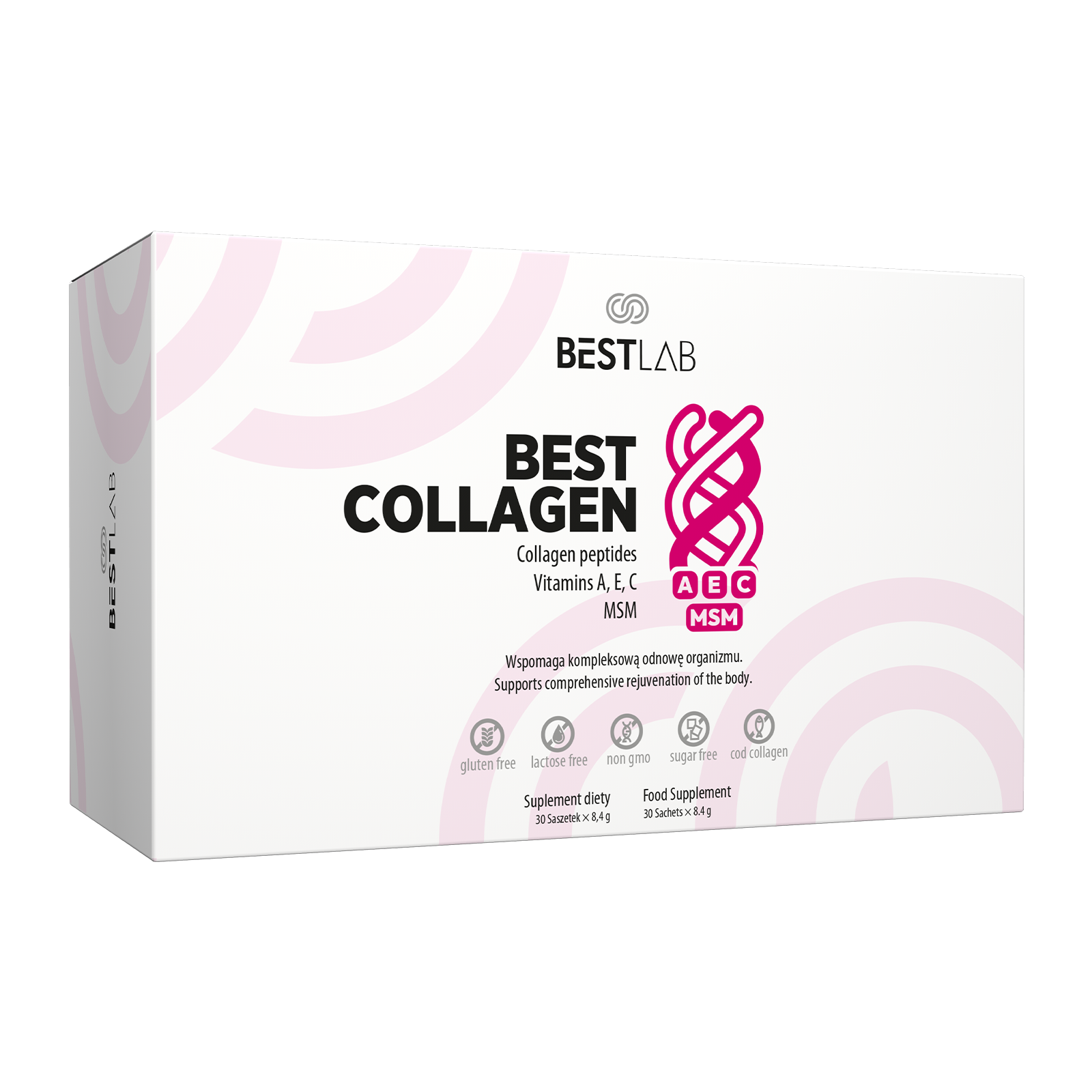
BestCollagen
£53.8
View Product →