
Supplements can be a key element in the process of microbiome regeneration after food poisoning. Thanks to them, it is possible to support natural digestive functions and restore gut health.
Contents
- The role of supplements in gut reconstruction
- What to use after poisoning to support the microbiome?
- How to rebuild microflora after poisoning?
- The importance of probiotics for gut health
- Best practices for stomach health
- How to choose the right supplements?
- FAQ
- Can supplements accelerate microbiome regeneration after food poisoning?
- Which probiotics are recommended after food poisoning?
- How long should probiotics be used after food poisoning?
- Is probiotic supplementation safe for everyone?
- Does diet affect the effectiveness of probiotics?
- Can probiotics be used preventatively?
- What are the symptoms of disturbed intestinal microflora?
- Can children use probiotics after food poisoning?
- Can probiotics cause side effects?
- Can probiotics be combined with other supplements?
From the article, you will learn:
- What is the importance of supplements in the process of rebuilding the gut microbiome after food poisoning.
- Which active ingredients are worth including in your diet to support gut health.
- Why probiotics are crucial for digestive system health and how to use them correctly.
- Which supplements to choose.
- Which practices related to supplementation support stomach and gut health, accelerating regeneration after poisoning.
- How proper supplementation can improve digestion and overall well-being.
The role of supplements in gut reconstruction
Supplementation after food poisoning plays a significant role in the regeneration of the intestinal microbiome. Food poisoning can lead to imbalances in bacterial flora, which negatively affects the functioning of the digestive system. Introducing appropriate supplements, such as regeneration-supporting probiotics, can accelerate the restoration of beneficial bacteria in the gut. Probiotics provide the body with live bacterial cultures that help restore the natural balance of microflora. Regular use of regeneration-supporting probiotics can also strengthen the intestinal barrier, increasing resistance to future infections. It is worth remembering that the effectiveness of supplementation after food poisoning depends on the selection of appropriate preparations and their regular use.
What to use after poisoning to support the microbiome?
After food poisoning, it is crucial to support the intestinal microbiome through appropriate supplementation. provide beneficial bacteria that help restore the balance of intestinal flora. Regular use of probiotics for digestion can improve the functioning of the digestive system and accelerate recovery after poisoning.
Supplementation after food poisoning should also include prebiotics, which serve as food for probiotics, supporting their growth and activity. Additionally, digestive enzymes can facilitate digestive processes, and fiber supports proper bowel transit. Including these ingredients in the diet can significantly contribute to microbiome restoration and improved gut health after food poisoning.
How to rebuild microflora after poisoning?
Rebuilding intestinal microflora after food poisoning requires the use of appropriate probiotics that support regeneration after stomach problems. Introducing preparations containing carefully selected bacterial strains into the diet can accelerate the regeneration process of the digestive system. Regular use of such probiotics helps restore microbiological balance in the intestines, which is crucial for improving digestion and overall well-being.
One of the recommended preparations is , which contains 10 bacterial strains and 30 billion cells in each capsule. Thanks to the use of microencapsulation technology, bacteria are protected from stomach acid, which increases their survival and effectiveness. Regular intake of BestBiotic can support the reconstruction of intestinal microflora after food poisoning, contributing to the improvement of digestive system function.
The importance of probiotics for gut health
Probiotics play a key role in maintaining gut health, especially after food poisoning. Introducing probiotics for digestion into the diet can help restore the balance of intestinal microflora, which is essential for the proper functioning of the digestive system. Regular use of probiotics supports digestive processes, facilitating the breakdown of food components and the absorption of nutrients. Additionally, probiotics can alleviate symptoms such as bloating, diarrhea, or constipation, which often accompany intestinal disorders. Rebuilt intestinal microflora also promotes strengthened immunity, as the intestines are one of the key elements of the immune system. The proper balance of bacteria in the intestines supports the body’s regeneration, accelerating a full recovery after poisoning. Moreover, probiotics can also positively affect well-being, as healthy intestines are linked to emotional balance and a better mood.
Supplementation after food poisoning should include preparations containing strains such as Lactobacillus rhamnosus GG (ATCC 53103) or Bifidobacterium lactis MB2409 (DSM 23733), which are known for their beneficial properties for gut health. It is worth choosing high-quality products that provide an adequate amount of live bacterial cultures.
Best practices for stomach health
After food poisoning, the stomach and intestines need time to fully recover. A gentle, easily digestible diet that does not burden the digestive system is crucial. It is worth opting for cooked vegetables, rice, semolina, lean meat, and porridges, avoiding fatty, fried, spicy dishes, and bloating products. Proper hydration is also very important – drinking water, chamomile, mint, or ginger infusions helps soothe irritation and supports the regeneration process of the stomach lining. Carbonated drinks, coffee, and alcohol, which can exacerbate symptoms, should be avoided. In the first few days after poisoning, it is advisable to eat more frequently but in smaller portions to avoid overloading the digestive system. Slowly introducing new products and observing the body’s reaction is also helpful. Rest, a calm pace of eating, and avoiding stress contribute to a faster return to balance. Taking care of the stomach after poisoning is an investment in digestive comfort and overall well-being.
How to choose the right supplements?
Choosing the right supplements to support gut regeneration after food poisoning is crucial for the effectiveness of the therapy. Attention should be paid to the following aspects:
- Composition: Choose preparations containing various strains of probiotic bacteria that support intestinal microflora.
- Concentration: Ensure that the supplement provides an adequate amount of live bacterial cultures, which increases its effectiveness.
An example of a preparation meeting these criteria is BestBiotic. It contains 10 strains of probiotic bacteria and 30 billion cells in each capsule. Thanks to microencapsulation technology, bacteria are protected from stomach acid, which increases their survival and effectiveness. Regular use of probiotics for digestion can support the reconstruction of intestinal microflora after food poisoning, contributing to the improvement of digestive system function.
FAQ
Yes, appropriately selected supplements, especially probiotics, can support the reconstruction of intestinal microflora after food poisoning, contributing to faster regeneration of the digestive system.
After food poisoning, it is recommended to use probiotics containing bacterial strains from the genera Lactobacillus and Bifidobacterium, which support the reconstruction of intestinal microflora.
The duration of probiotic use after food poisoning depends on individual needs, but supplementation for several weeks is usually recommended to effectively rebuild the intestinal microflora.
Probiotic supplementation is generally safe, but individuals with weakened immune systems or serious medical conditions should consult a doctor before starting supplementation.
Yes, a balanced diet rich in fiber and prebiotics supports the action of probiotics, helping to rebuild intestinal microflora after food poisoning.
Yes, regular use of probiotics can support gut health and the immune system, reducing the risk of digestive problems.
Symptoms may include bloating, diarrhea, constipation, abdominal pain, and reduced immunity.
Yes, but the choice of appropriate preparation and dosage should be consulted with a pediatrician.
Some people may experience mild symptoms such as bloating or gas, which usually subside after a few days of use.
Yes, probiotics can be combined with other supplements, but it is advisable to consult a doctor to avoid potential interactions.
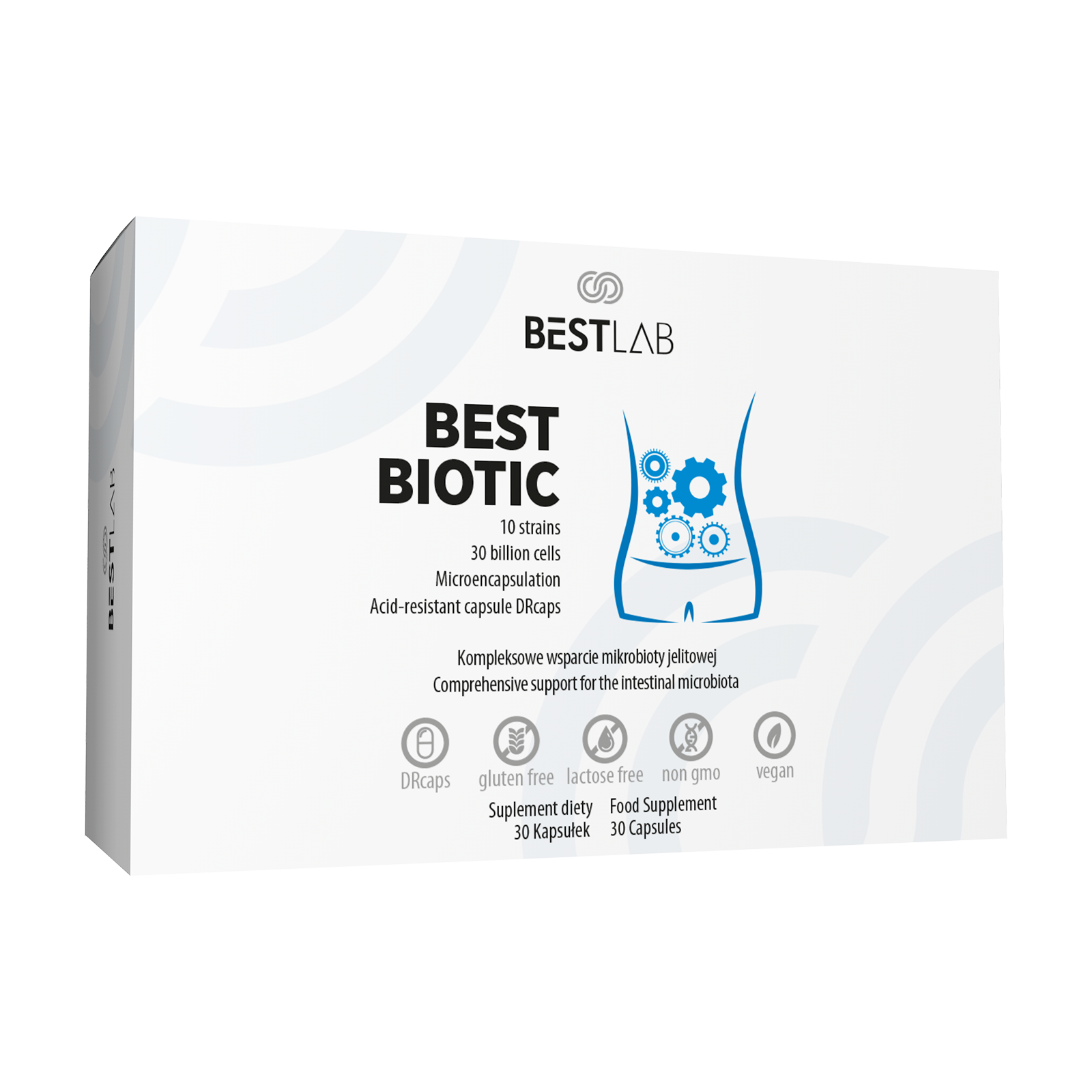
BestBiotic
£31.8
View Product →